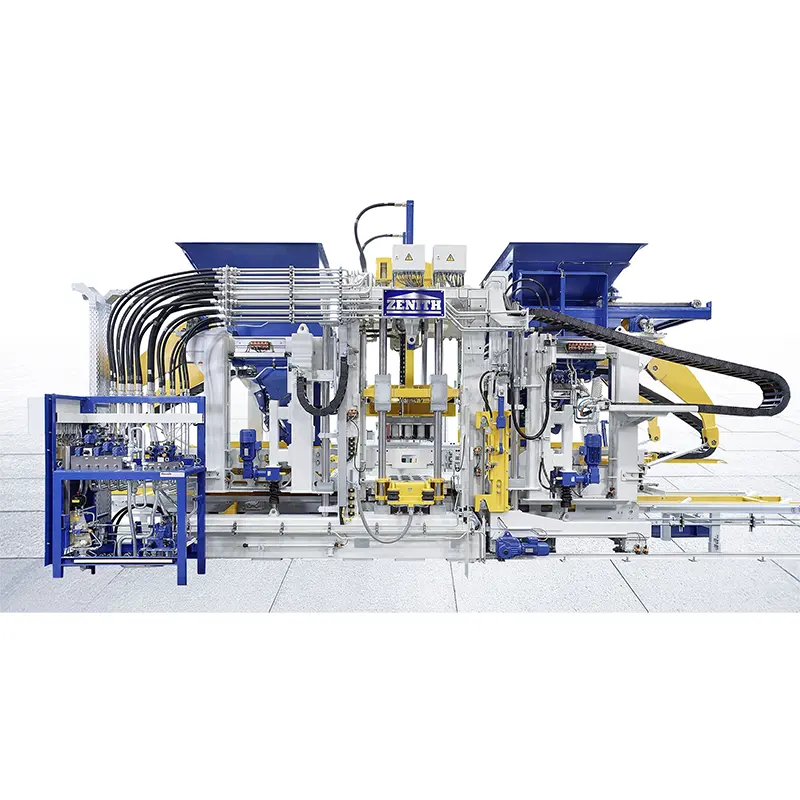
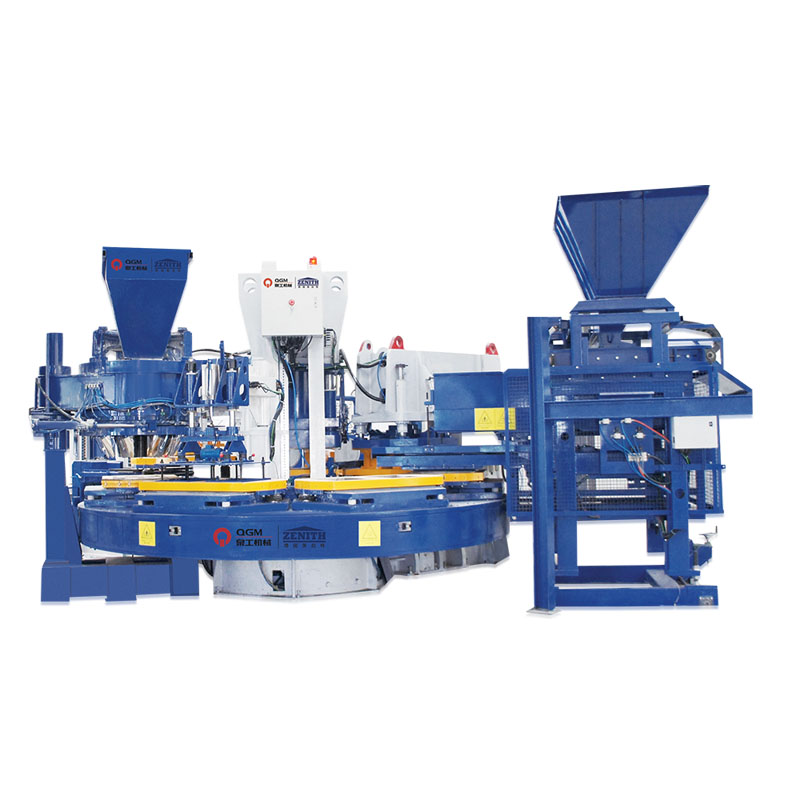
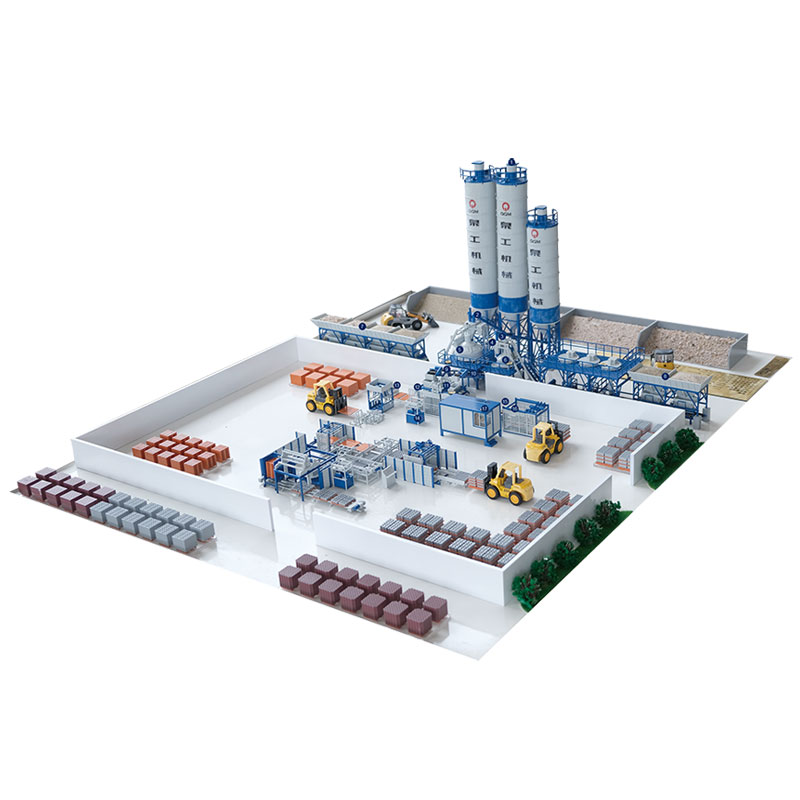
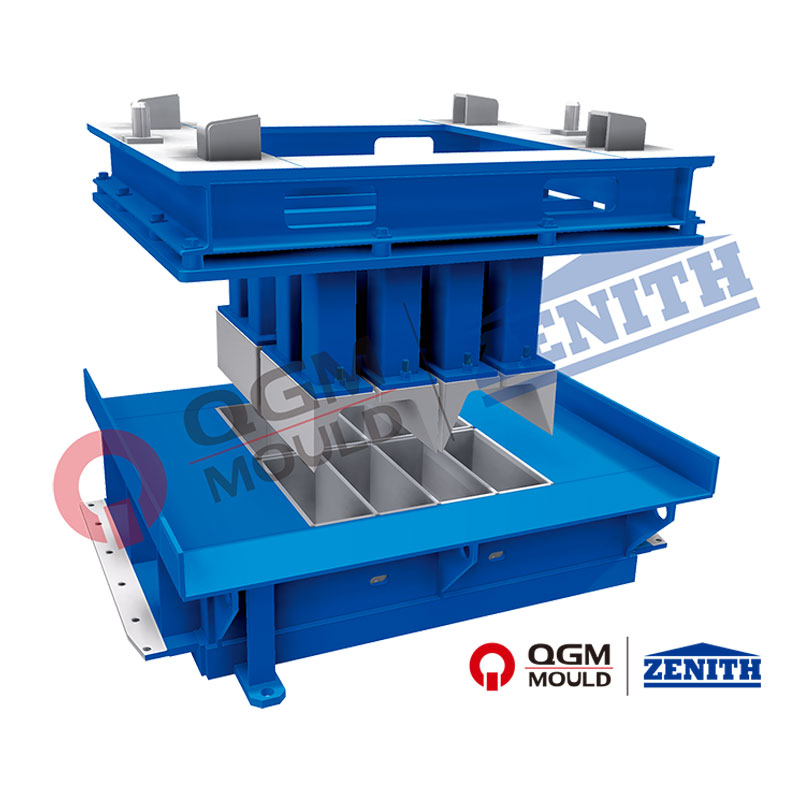
As Africa continues to experience rapid urbanization and infrastructure development, the demand for high-quality concrete blocks and affordable building materials is growing significantly. Governments and private developers across the continent are investing heavily in housing projects, road construction, industrial parks, and municipal infrastructure.
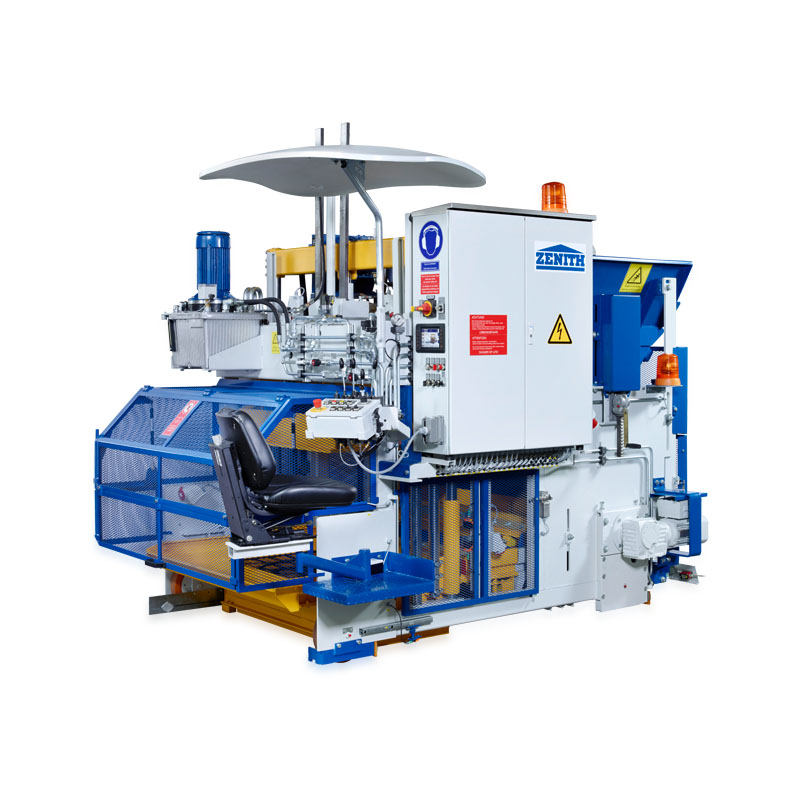
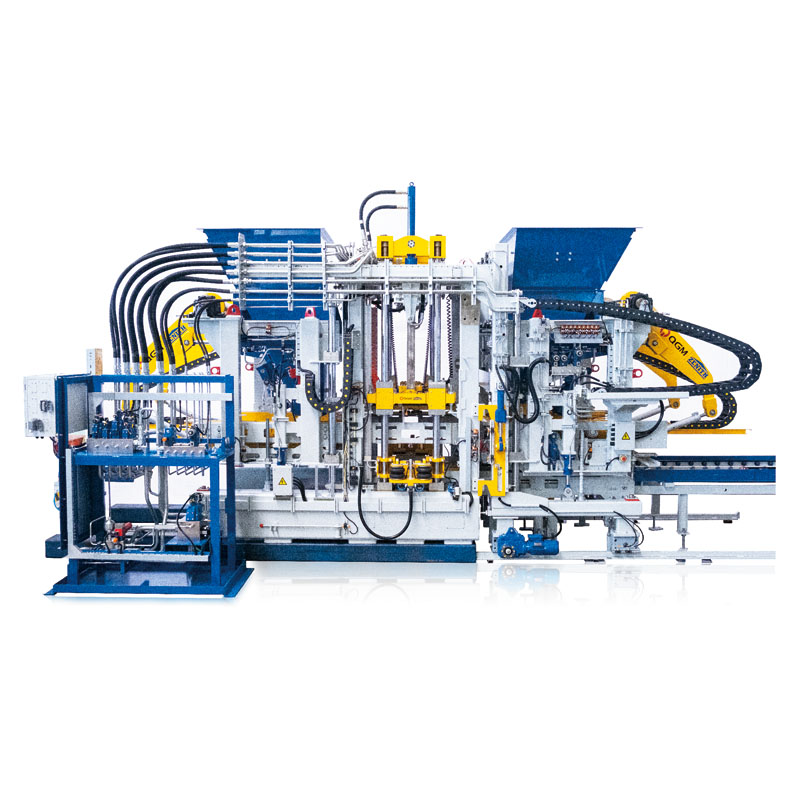
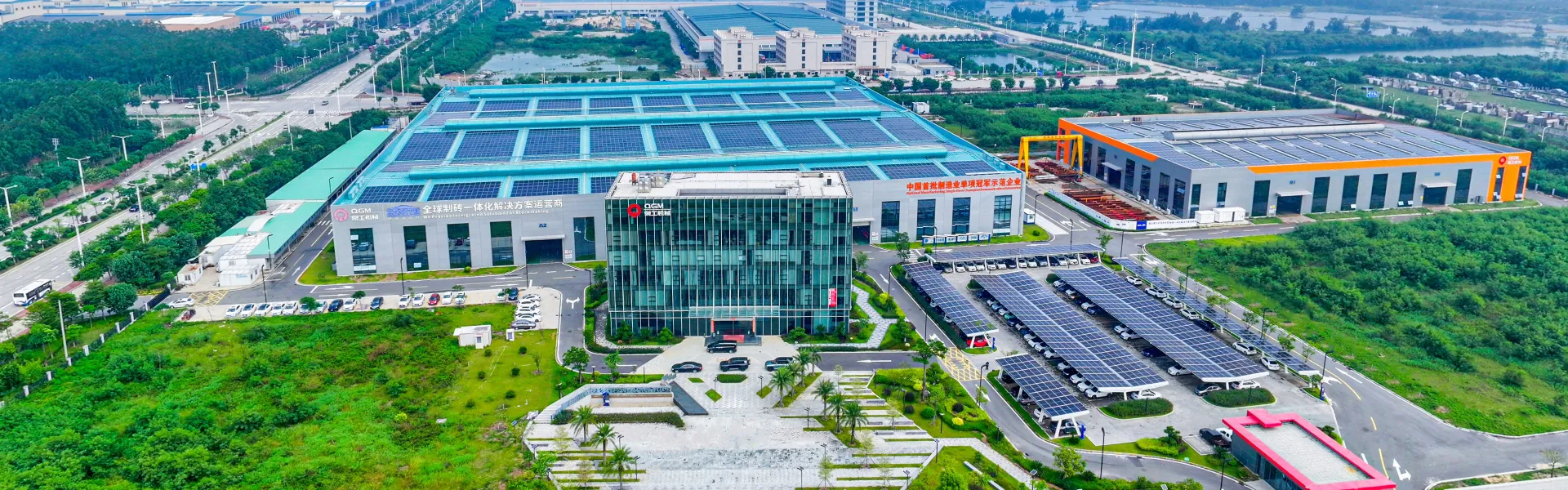
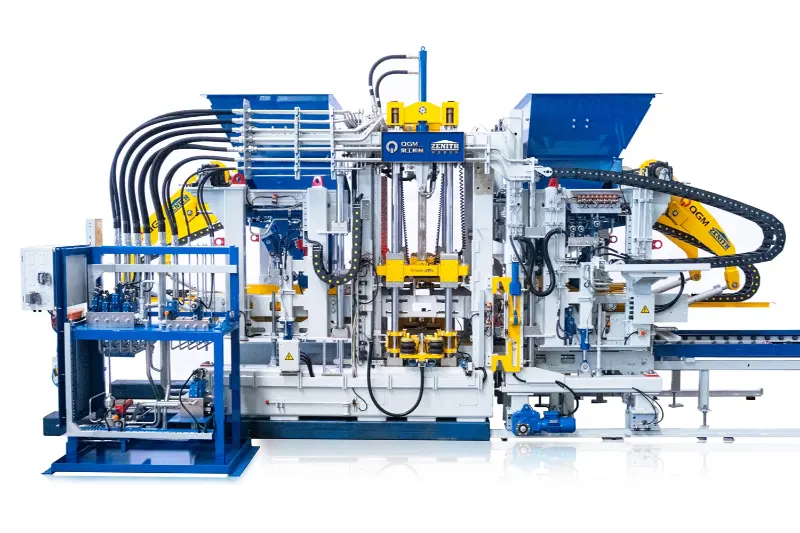
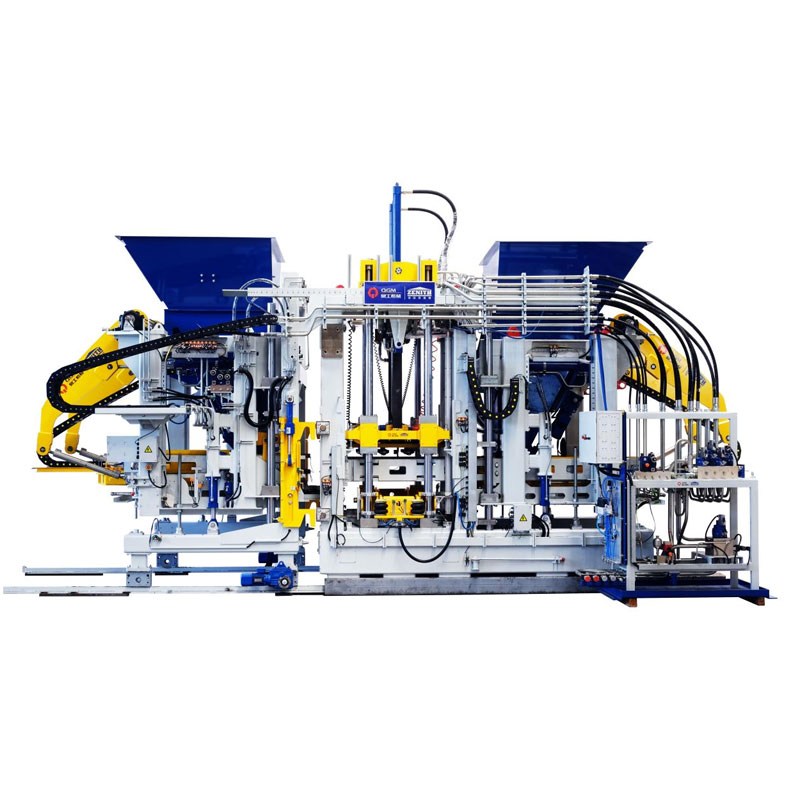
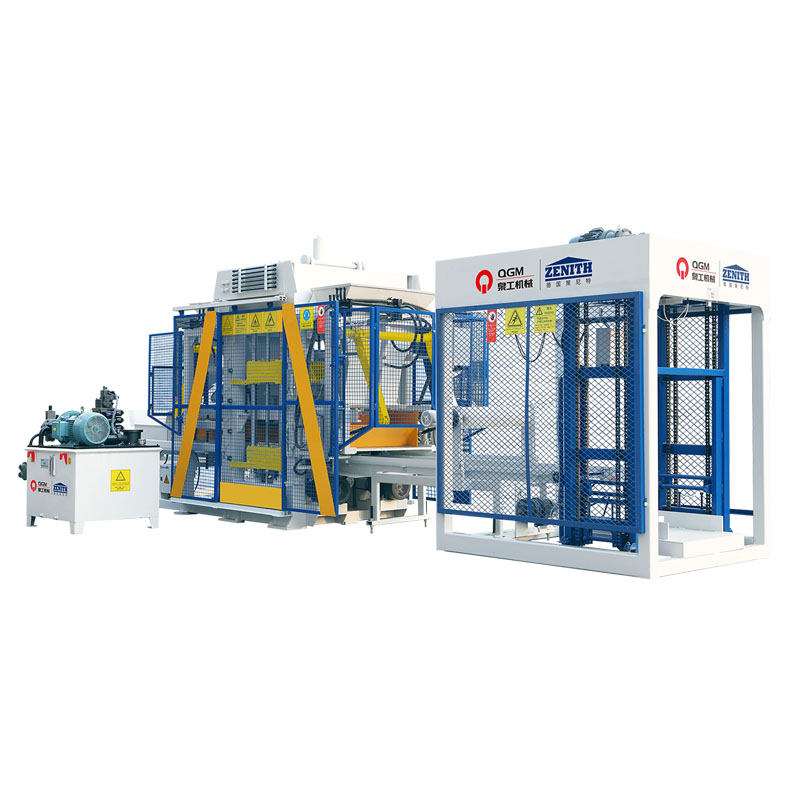
Under this market trend, QGM hollow block machines have become increasingly popular in Africa due to their advanced technology, stable performance, high production efficiency, and excellent cost performance. Today, QGM has successfully established numerous projects across African countries and has become a trusted brand in the African brick-making industry.
Growing Demand for Hollow Blocks in Africa
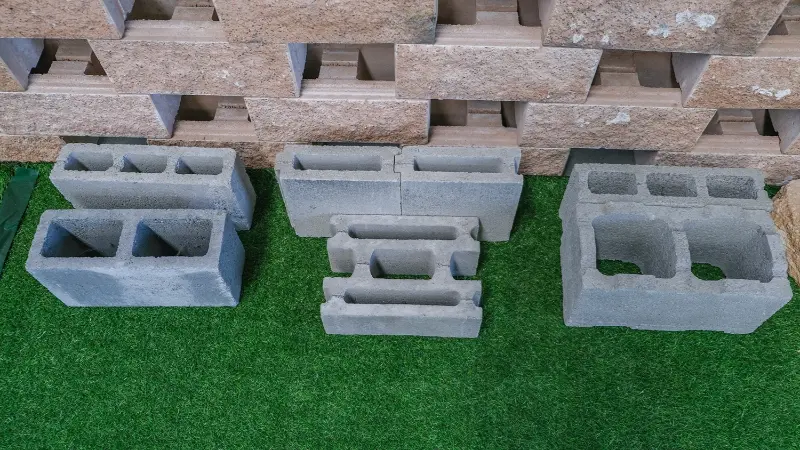
Hollow blocks are widely used throughout Africa because of their durability, thermal insulation performance, and cost-effectiveness. Compared with traditional clay bricks, concrete hollow blocks offer several advantages:
· Faster construction speed
· Lower construction costs
· Better structural strength
· Improved thermal insulation
· Environmentally friendly production
As urban populations continue to increase, the demand for affordable housing and modern infrastructure has created huge opportunities for hollow block production in Africa. This has also increased the demand for efficient and reliable hollow block making machines.
Advanced German Technology Ensures Stable Performance
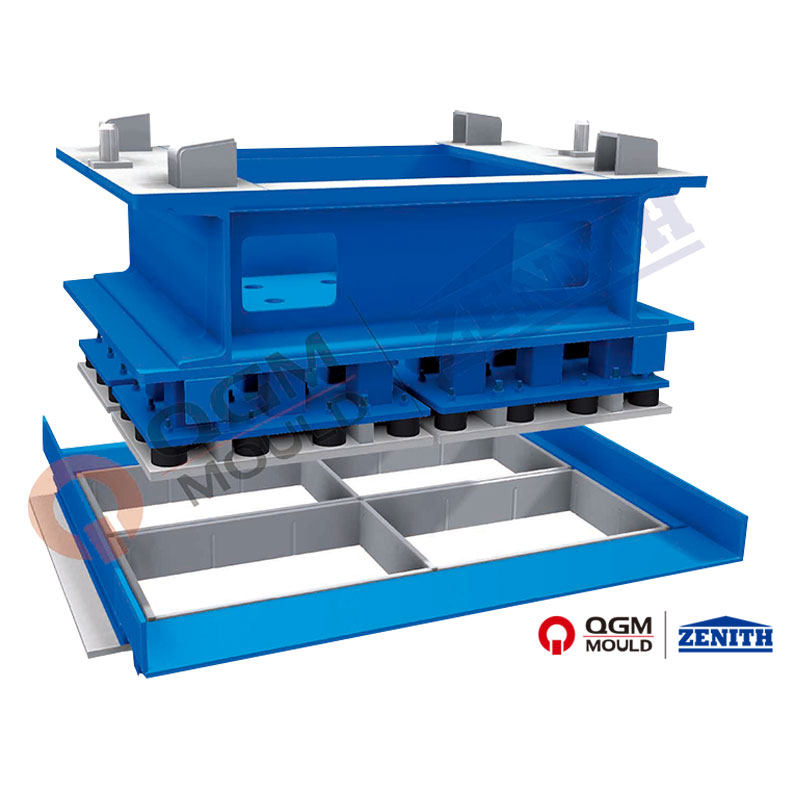
One of the major reasons African customers choose QGM hollow block machines is the integration of advanced German technology. Through deep technical cooperation with Germany’s ZENITH, QGM continuously introduces advanced European manufacturing concepts and brick-making technologies.
QGM hollow block machines are equipped with:
· High-performance vibration systems
· Intelligent PLC control systems
· Efficient hydraulic technology
· Automated production systems
These advanced technologies ensure stable operation, high-density block production, precise dimensions, and long service life.
Even under harsh working conditions and high-temperature environments commonly found in Africa, QGM equipment maintains stable and reliable performance, which is highly valued by local customers.
Fully Automatic Production Reduces Labor Costs
Labor costs and labor management are becoming increasingly important challenges for many African manufacturers. Traditional manual brick production methods are inefficient and highly dependent on labor.
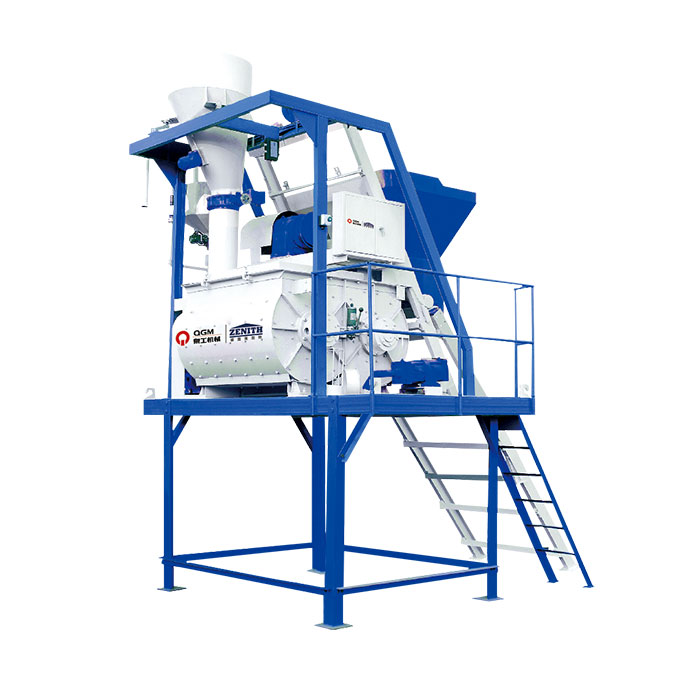
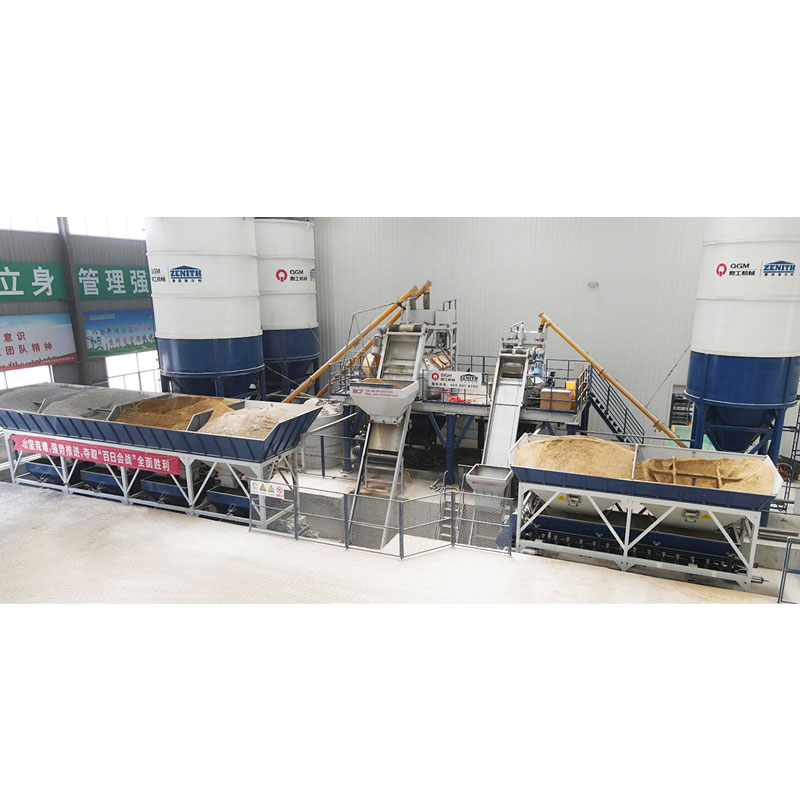
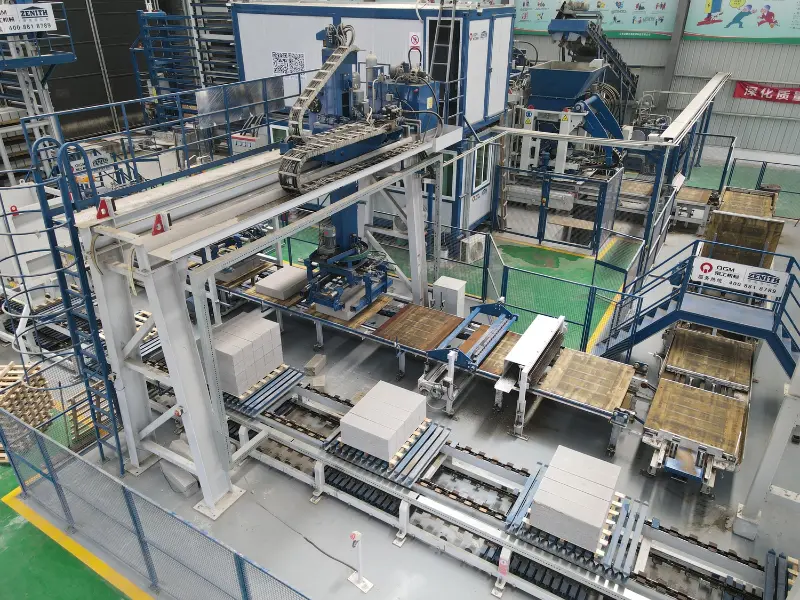
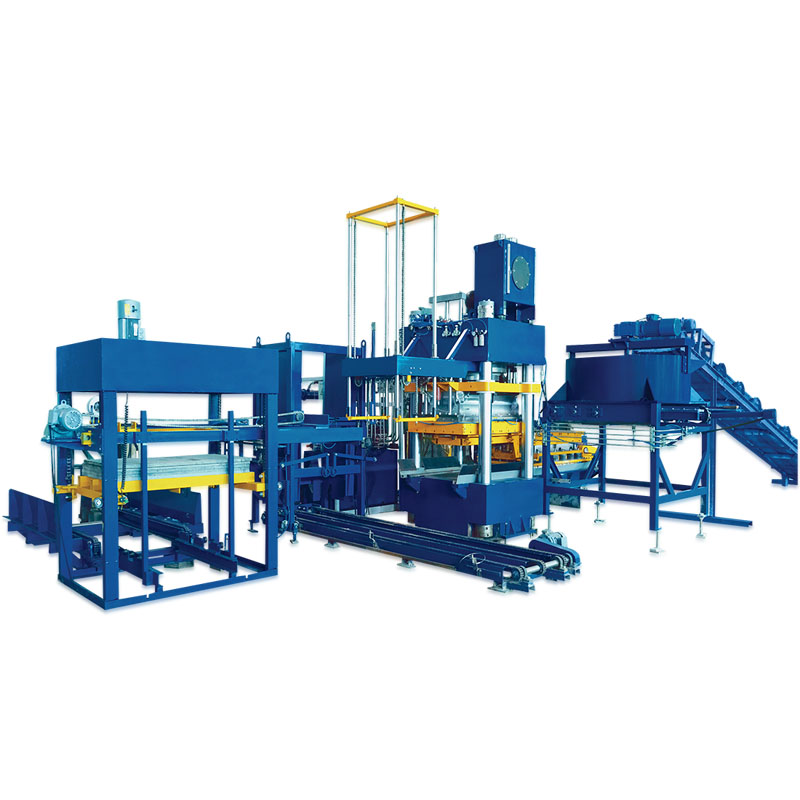
QGM fully automatic hollow block production lines significantly reduce labor requirements through intelligent automation systems. The entire process — from raw material feeding, mixing, conveying, block forming, and palletizing — can be automatically controlled.
Compared with manual production methods, QGM machines provide:
· Higher production efficiency
· Lower labor dependence
· Reduced operational costs
· Improved product consistency
· Continuous large-scale production capability
This allows African customers to improve productivity while maintaining stable product quality.
High-Quality Hollow Blocks for Infrastructure Development
Infrastructure construction is one of the key drivers of economic growth in Africa. QGM hollow block machines are widely used in:
· Affordable housing projects
· Municipal construction
· Schools and hospitals
· Industrial parks
· Roadside infrastructure
· Commercial buildings
QGM machines produce hollow blocks with:
· High compressive strength
· Accurate dimensions
· Smooth surface quality
· Excellent durability
These high-quality concrete blocks meet the requirements of modern construction projects and help customers improve competitiveness in local markets.
Solid Waste Recycling Supports Sustainable Development
Many African countries are increasingly focusing on sustainable development and environmental protection. QGM actively promotes solid waste recycling technology in the concrete products industry.
QGM hollow block machines can efficiently utilize:
· Fly ash
· Construction waste
· Slag
· Sand and aggregates
· Other industrial solid waste materials
This not only reduces raw material costs but also helps customers achieve environmentally friendly production and improve resource utilization.
By combining intelligent manufacturing with green building material production, QGM supports Africa’s sustainable infrastructure development goals.
Better Cost Performance for African Markets
Compared with some European high-end brick machine brands, QGM provides a more competitive solution for African customers by combining German technology with China’s manufacturing advantages.
QGM offers:
· Reliable equipment quality
· Competitive pricing
· Fast delivery time
· Complete after-sales service
· Professional technical support
This combination allows customers to obtain high-quality equipment with better return on investment, making QGM hollow block machines highly competitive in African markets.
Strong Overseas Service and Local Project Experience
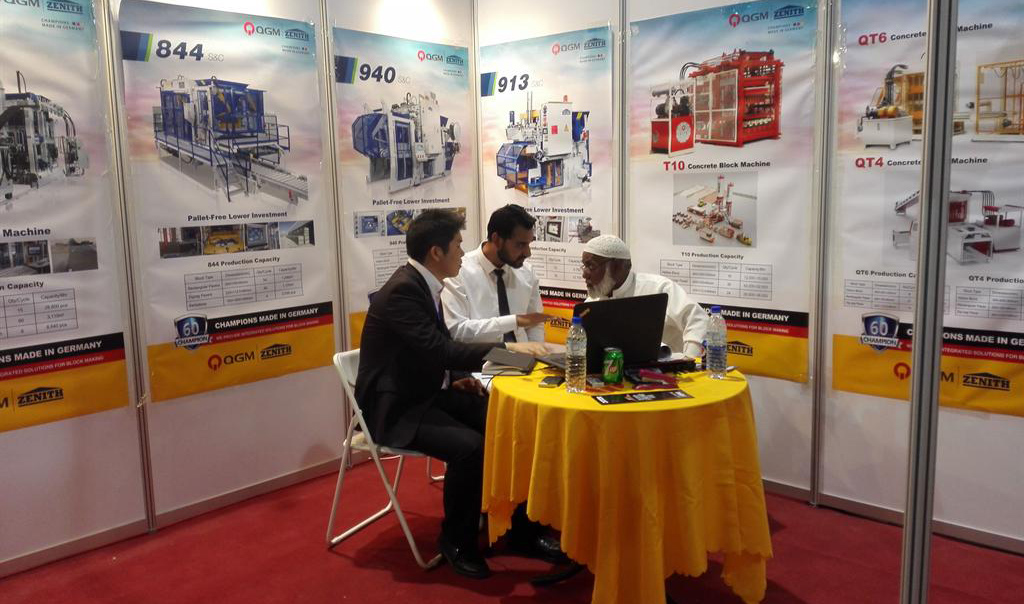
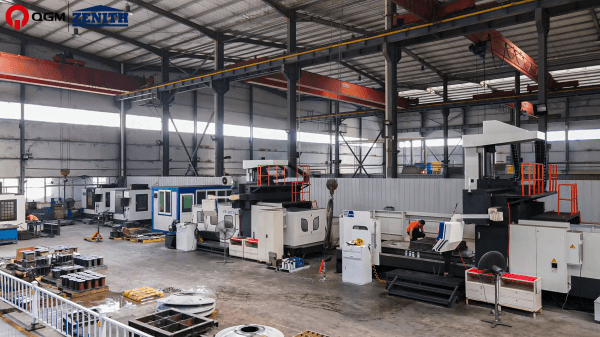
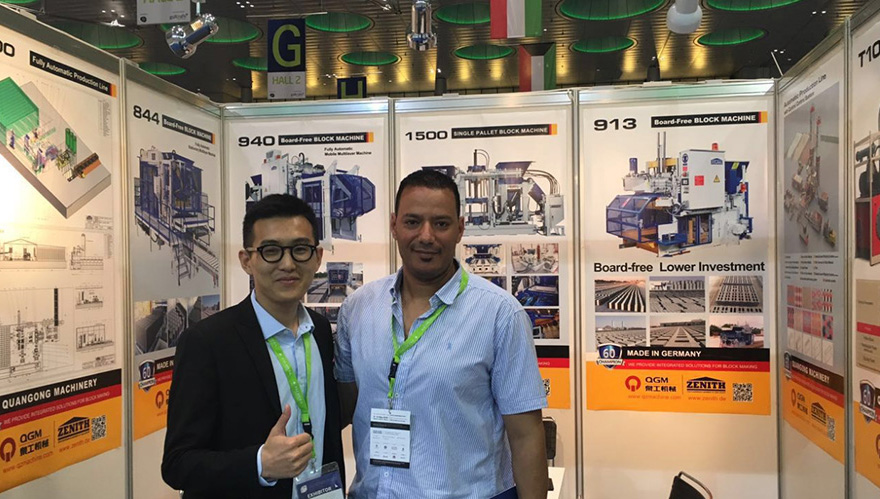
QGM has accumulated extensive project experience across Africa and has established successful installations in many countries.
With professional overseas service teams, QGM provides:
· Factory layout planning
· Equipment installation and commissioning
· Operator training
· Technical guidance
· Spare parts supply
· Long-term after-sales support
Fast service response and professional support help African customers quickly start production and maintain stable operation.
Today, QGM hollow block machines are widely recognized in Africa for their reliability, efficiency, and excellent product quality.
Conclusion
As Africa’s construction industry continues to expand, the demand for efficient and reliable hollow block production equipment will continue to grow.
With advanced German technology, intelligent automation, strong production capability, competitive pricing, and extensive overseas project experience, QGM hollow block machines have become an ideal choice for African customers.
In the future, QGM will continue to provide intelligent, efficient, and environmentally friendly brick-making solutions to support Africa’s infrastructure development and sustainable construction industry growth.
We use cookies to offer you a better browsing experience, analyze site traffic and personalize content. By using this site, you agree to our use of cookies.
Privacy Policy