News

Compressive Strength of Hollow Blocks: Why Do Different Machines Produce Different Results?

2026-09-04 0 Leave me a message

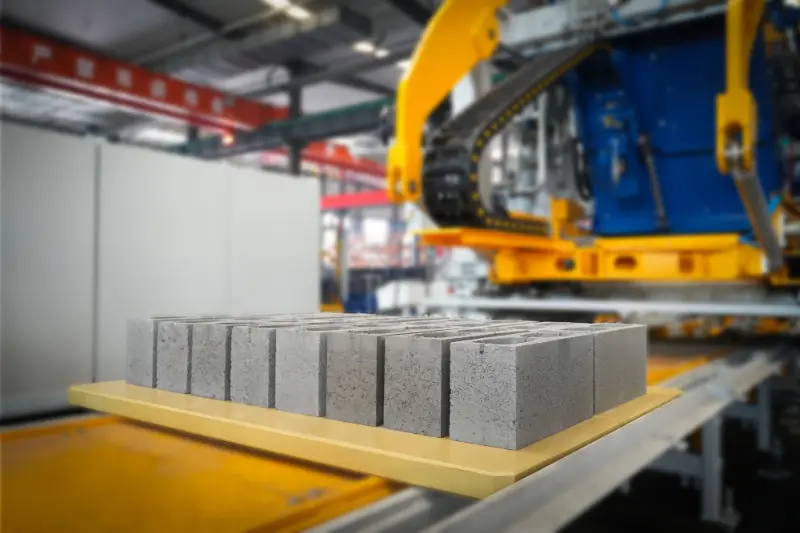
Compressive strength of hollow blocks is one of the most important quality indicators in concrete block manufacturing. Even when manufacturers use similar cement, aggregates, and other raw materials, hollow blocks produced by different machines or production lines can show significant differences in strength, density, dimensional accuracy, and surface quality.

Why does this happen?

The compressive strength of a concrete hollow block is influenced by several factors, including raw materials, mix design, moisture content, material feeding, vibration, compaction pressure, mould accuracy, and curing conditions.

1. Raw Materials and Mix Design Build the Foundation

Concrete hollow blocks are commonly manufactured using cement, sand, aggregates, and other supplementary materials.

The particle size, moisture content, and quality of the raw materials directly affect the properties of the concrete mix.

A properly designed mix can create a more stable aggregate structure and reduce internal voids, helping improve the density and compressive strength of concrete blocks.

For manufacturers producing high-strength hollow blocks, the concrete mix should therefore be adjusted according to local raw materials and product requirements.

2. Moisture Content Affects Block Forming

Concrete block machines typically use vibration and pressure to form concrete products, which means the moisture content of the concrete mix needs to be properly controlled.

If the mix is too dry, it may result in:

Uneven material distribution

Missing material around block edges

Insufficient block density

If the mix contains excessive moisture, demoulding and dimensional stability may be affected.

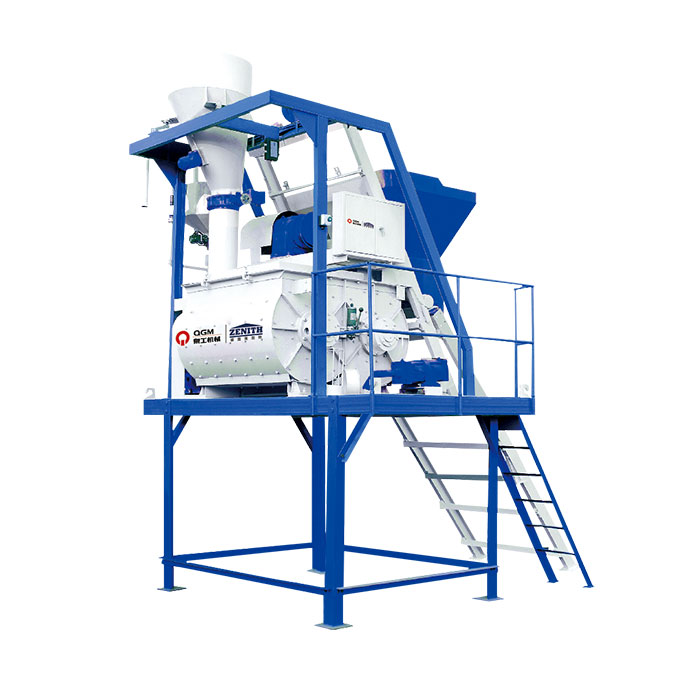
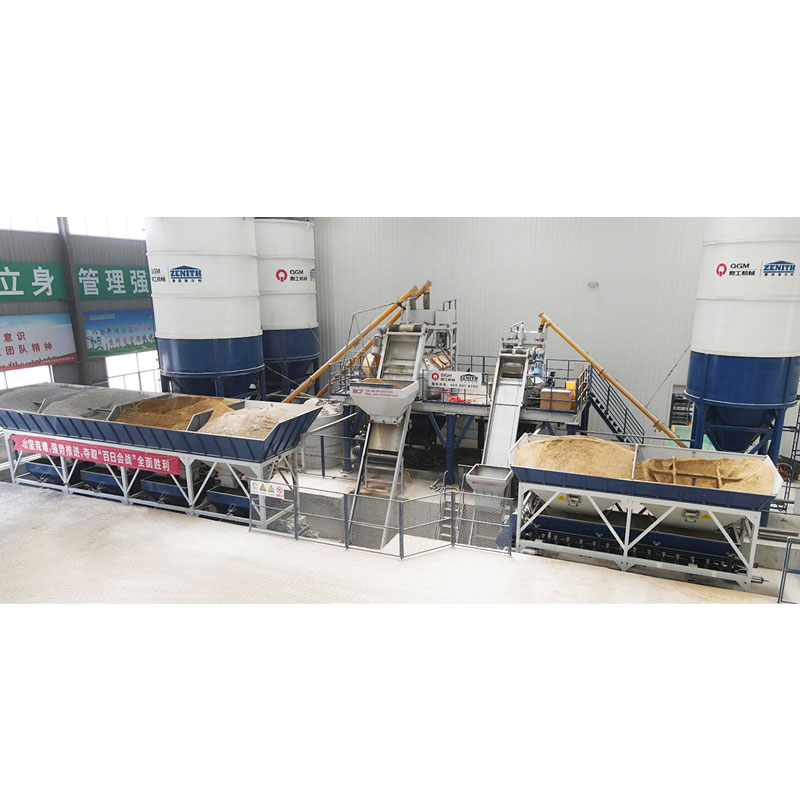
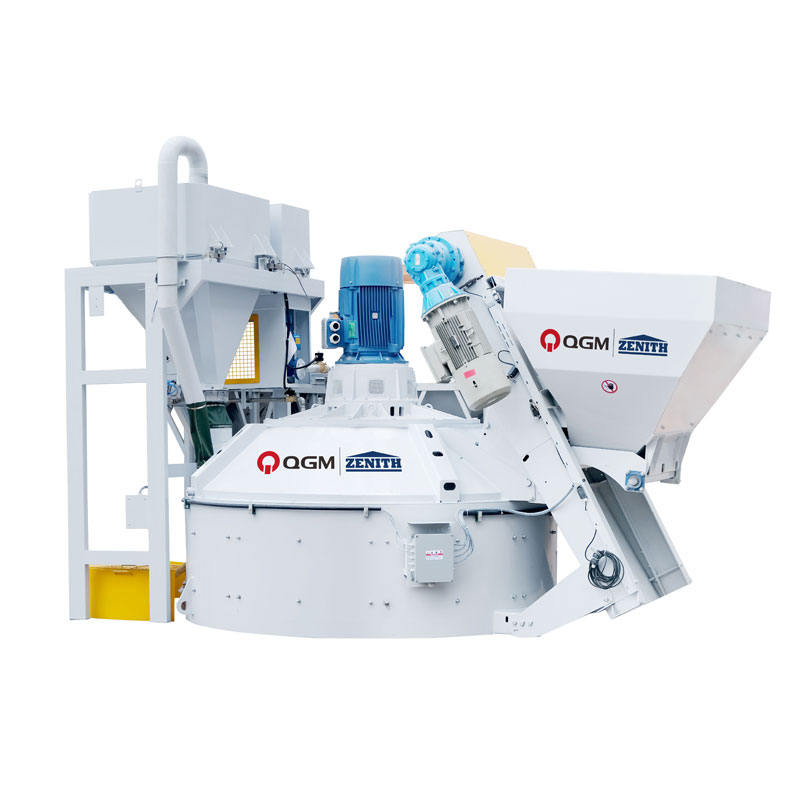
A stable batching, mixing, and feeding system is therefore essential for consistent concrete block quality.

3. Vibration Is Critical to Block Strength

Vibration is one of the key reasons why different hollow block making machines can produce different results.

After concrete enters the mould, controlled vibration helps rearrange the aggregates and remove trapped air, making the concrete mix more compact.

If the vibration parameters are not properly controlled:

Lower density → More internal voids → Lower compressive strength

Therefore, the vibration system, vibration frequency, amplitude, and vibration time can all influence the final quality of hollow blocks.

4. Compaction Pressure Affects Block Density

In addition to vibration, forming or compaction pressure plays an important role in concrete block manufacturing.

The proper combination of vibration and pressure helps the concrete mix fill the mould evenly and form a more uniform block structure.

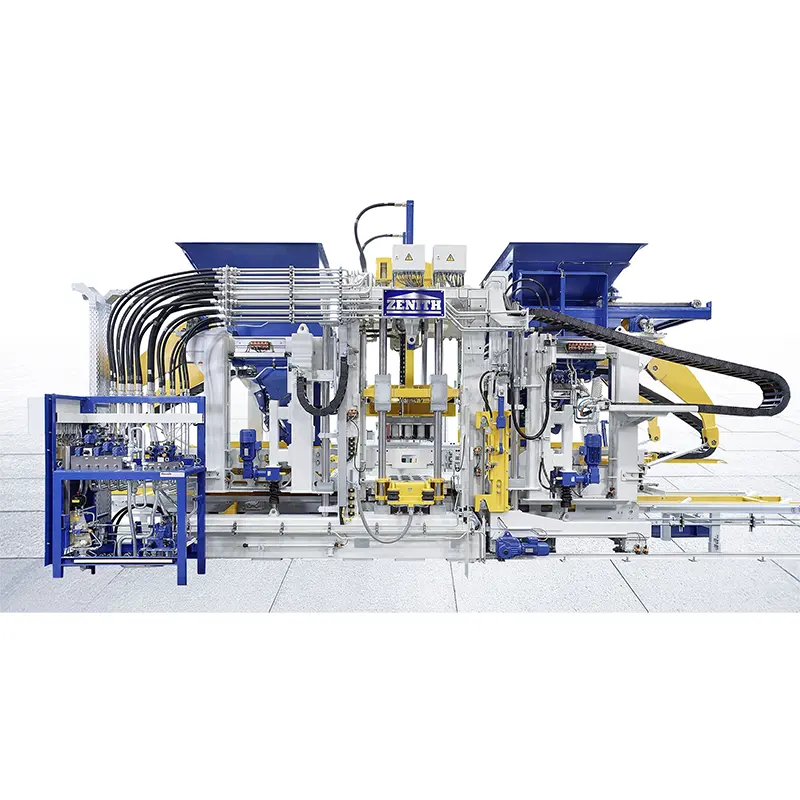
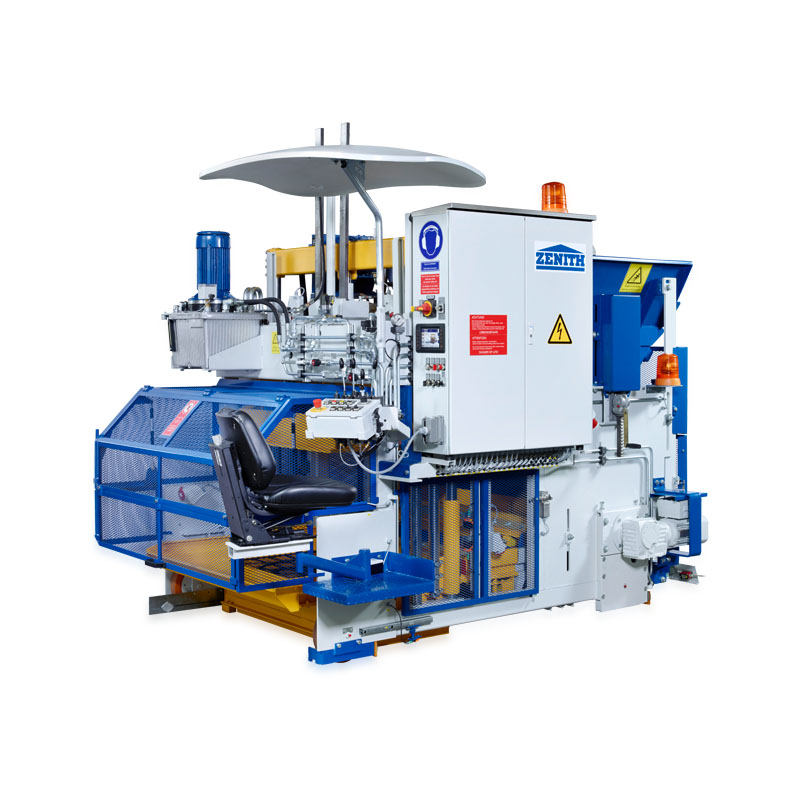
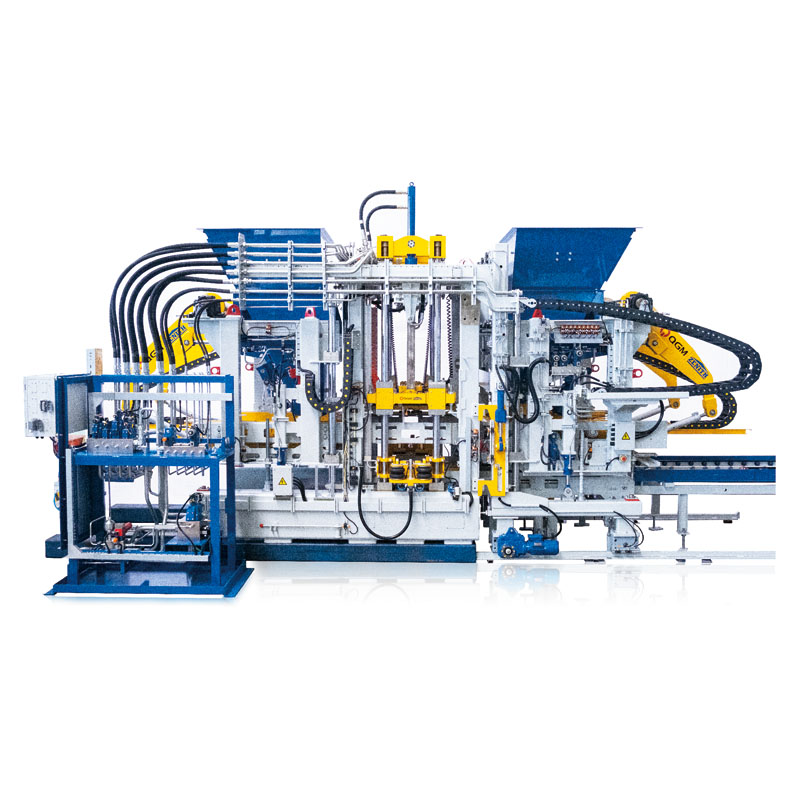
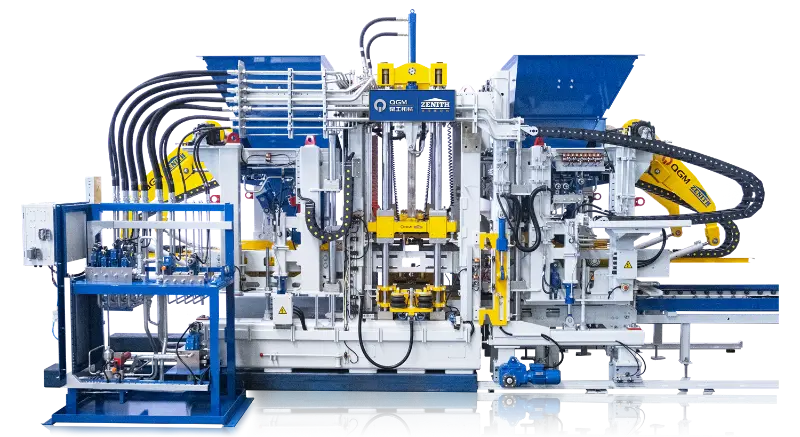
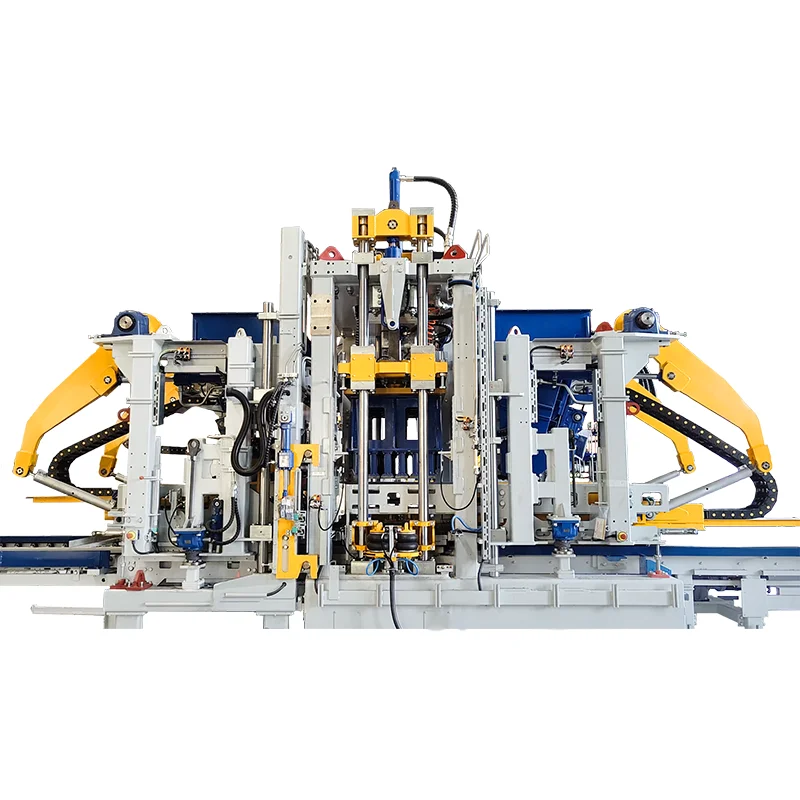
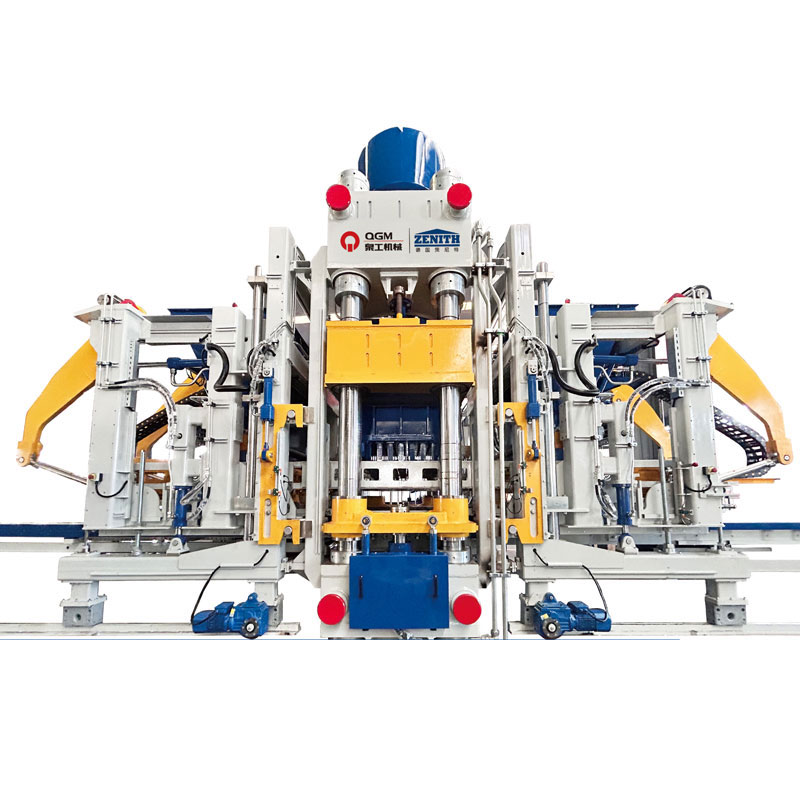
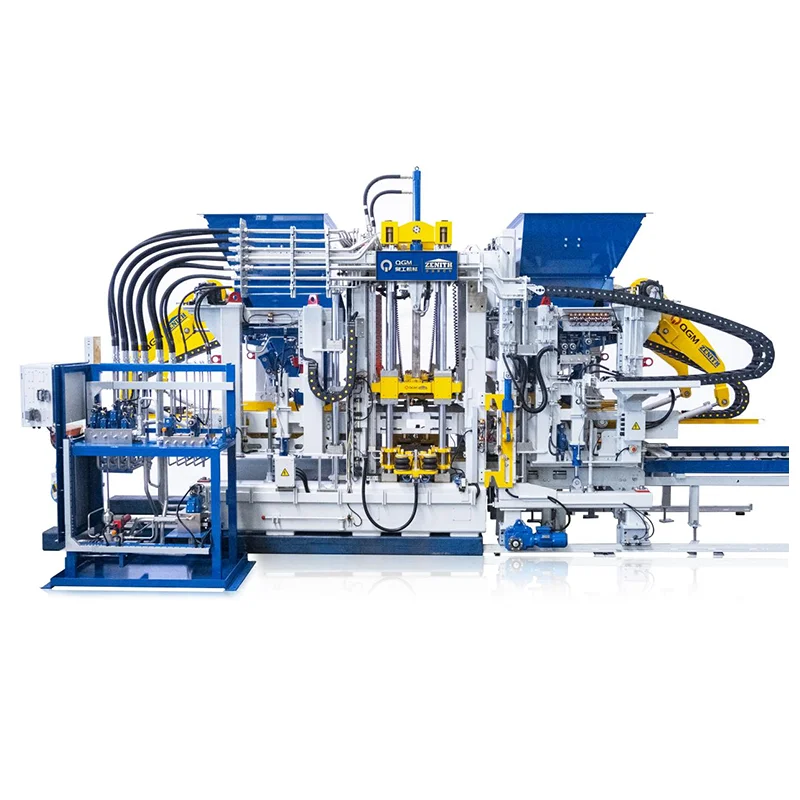
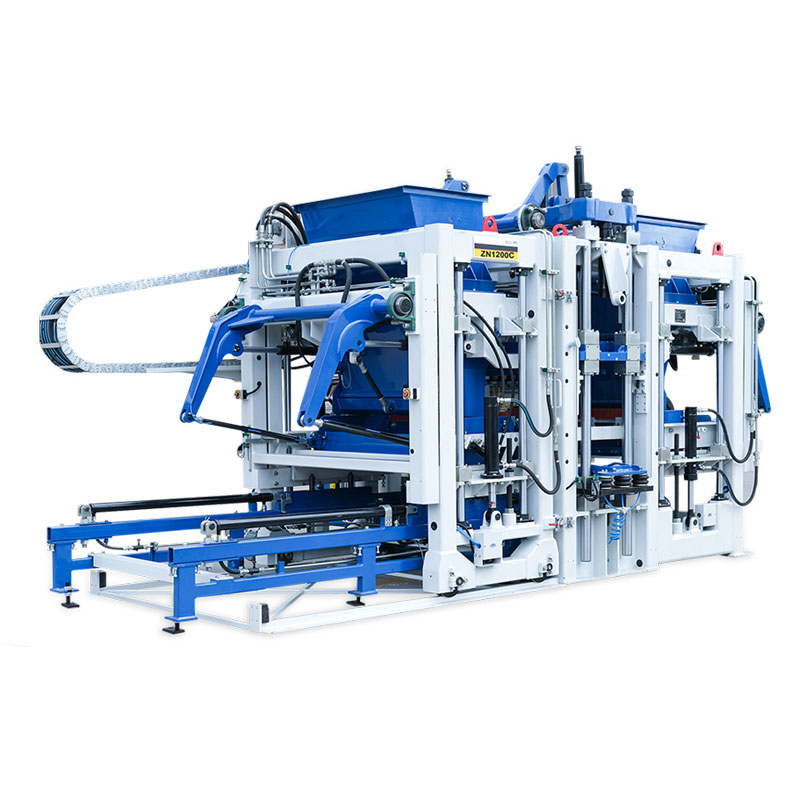
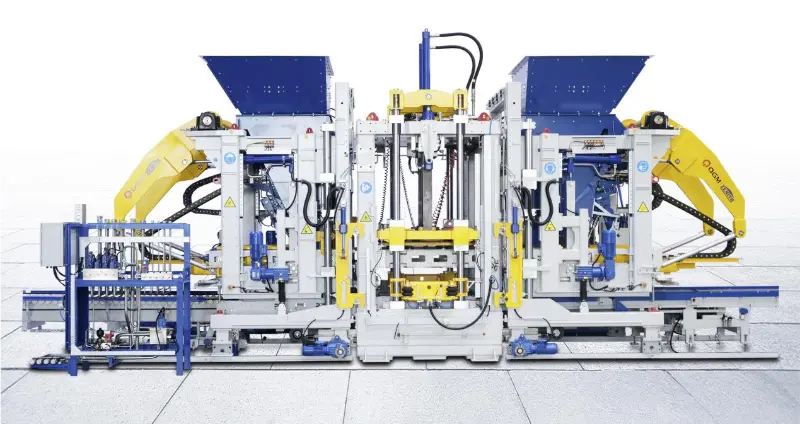
The QGM ZN1000-2 automatic concrete block making machine, for example, combines vibration forming and compaction processes to achieve stable concrete block production. It can be configured for manufacturing hollow blocks, solid blocks, paving blocks, and other concrete products.

5. Mould Accuracy Also Matters

When choosing a concrete block making machine, manufacturers often focus on the main machine while overlooking the importance of the mould.

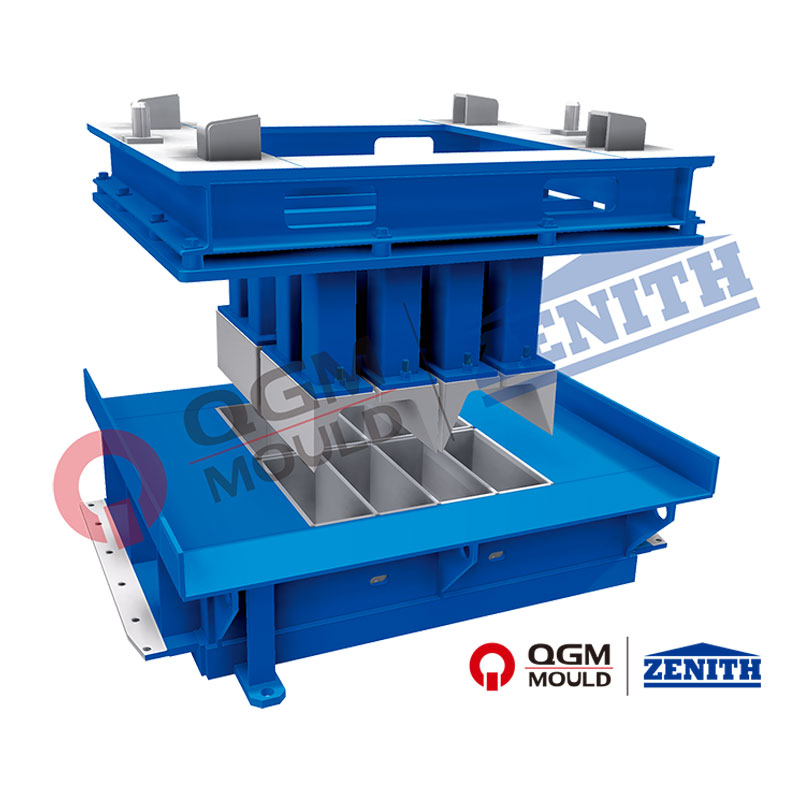
The mould determines the block dimensions, cavity configuration, and overall shape. It can also influence how evenly the concrete mix is distributed during the forming process.

High-precision moulds combined with a stable forming system can help manufacturers achieve consistent block dimensions and appearance.

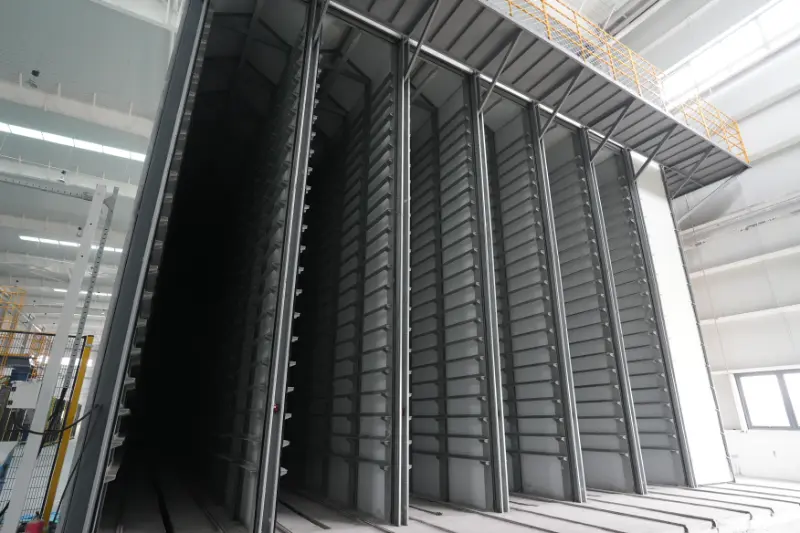
6. Curing Determines the Final Strength

Demoulding is not the end of the concrete block manufacturing process.

Proper curing allows cement hydration to continue, enabling the concrete product to gradually develop its designed strength.

Common concrete block curing methods include:

Natural curing

Steam curing

Static curing

Other industrial curing processes

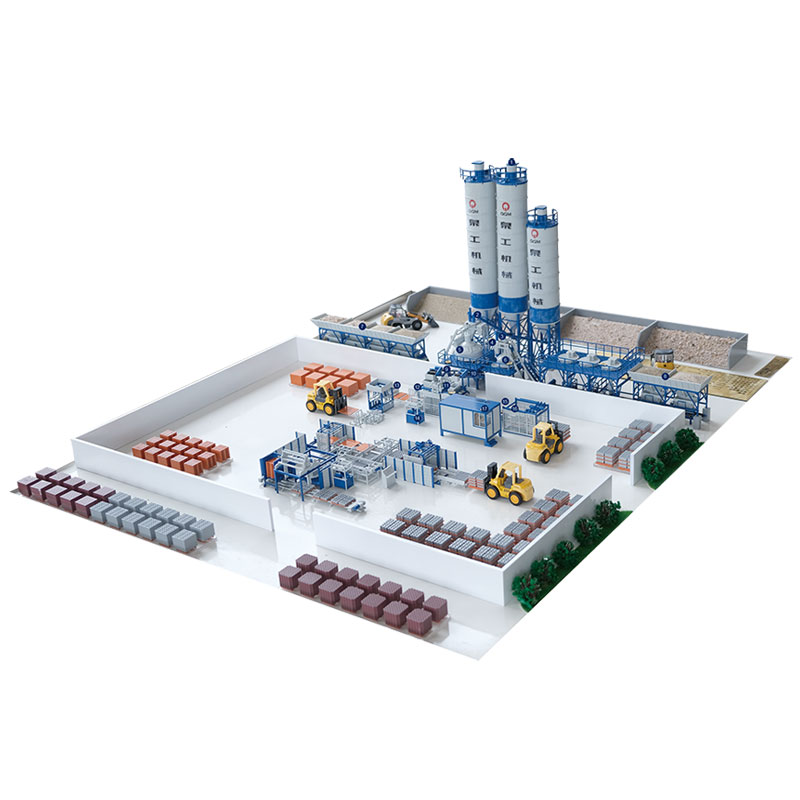
For this reason, the forming machine, mould, concrete mix, and curing process should be considered as one integrated production system.

7. Why Do Different Machines Produce Hollow Blocks with Different Strengths?

The main factors affecting the compressive strength of hollow blocks can be summarized as:

Raw materials → Batching → Mixing → Material feeding → Vibration → Compaction → Demoulding → Curing

Instability at any stage can affect the final performance of the concrete block.

When selecting a hollow block production line, manufacturers should therefore consider more than just the machine's rated production capacity.

Key factors include:

Vibration system

Forming and compaction pressure

Material feeding system

Mould precision

Automation and control

Production stability

Curing system

8. ZN1000-2 for Stable Hollow Block Production

For manufacturers looking to produce hollow blocks on a larger scale, stable forming performance is essential for consistent product quality.

The QGM ZN1000-2 automatic concrete block making machine integrates automated material feeding, forming, vibration, and demoulding processes to provide a stable solution for concrete block manufacturing.

With suitable mould configurations, the machine can be used to manufacture hollow blocks, solid concrete blocks, paving blocks, kerbstones, and other concrete products according to different market requirements and product specifications.

Conclusion

The compressive strength of hollow blocks is not determined by a single factor.

Quality raw materials provide the foundation, an appropriate concrete mix provides the right composition, while controlled vibration and compaction are critical to block density and strength. Accurate moulds and proper curing further contribute to the final product performance.

For concrete product manufacturers, selecting a stable and efficient hollow block making machine, together with a suitable concrete mix and curing process, is essential for producing high-quality hollow blocks with consistent compressive strength.

Related News
Leave me a message
X
We use cookies to offer you a better browsing experience, analyze site traffic and personalize content. By using this site, you agree to our use of cookies.Privacy Policy