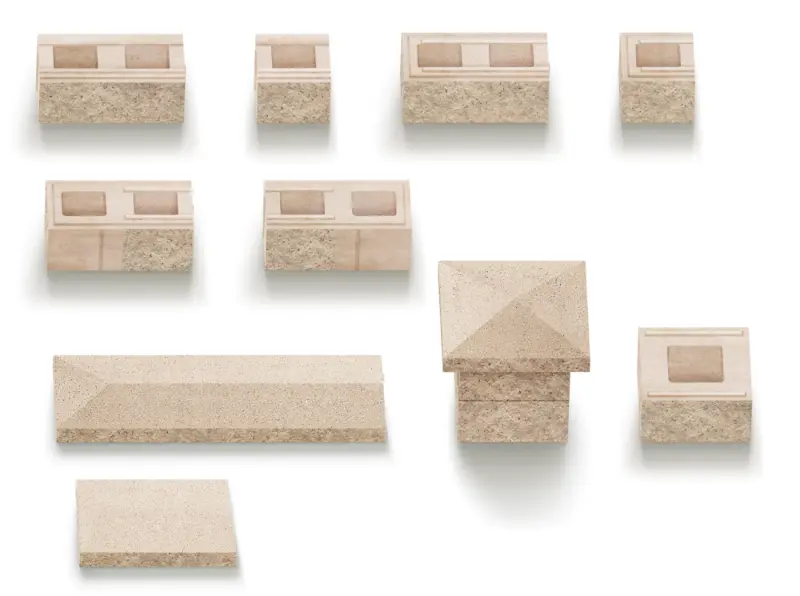
When it comes to construction projects, hollow block sizes are not standardized worldwide. Block length, width, height, and hole design can vary depending on local building standards, construction practices, wall structures, and market requirements.
For investors planning a hollow block production line, choosing the right machine is not only about production capacity and automation. It is also important to determine the most commonly used hollow block sizes in the target market and whether the block machine can accommodate the required molds.
So, what are the typical characteristics of hollow block sizes in Southeast Asia, the Middle East, Africa, and Europe? And how should you choose a hollow block making machine for different block specifications?
Hollow blocks are widely used for wall construction, and their specifications are closely related to local building standards and construction methods.
Different markets have different requirements for wall thickness, thermal performance, structural performance, and construction efficiency. As a result, commonly used concrete hollow block sizes can vary significantly from one region to another.
For example:
Some Southeast Asian markets focus heavily on standard wall blocks for residential and commercial construction.
Middle Eastern markets require different block thicknesses depending on building structures, climate conditions, and project types.
African markets have diverse construction needs, ranging from residential buildings to commercial projects and infrastructure.
European markets generally place greater emphasis on building performance, dimensional accuracy, and product consistency.
Therefore, before purchasing a hollow block machine, manufacturers should first identify the block specifications required by their local market rather than simply copying product sizes used in another country.
The construction industry in Southeast Asia continues to create demand for concrete hollow blocks. These products are commonly used in residential buildings, commercial projects, industrial facilities, and infrastructure construction.
Because building standards and construction practices vary between countries, there is no single hollow block size used throughout Southeast Asia.
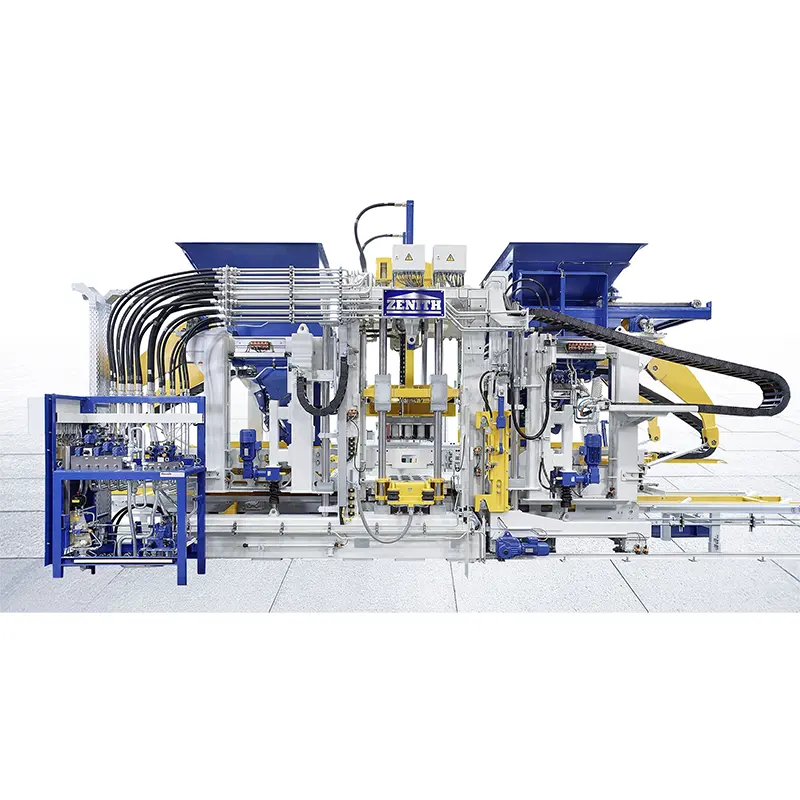
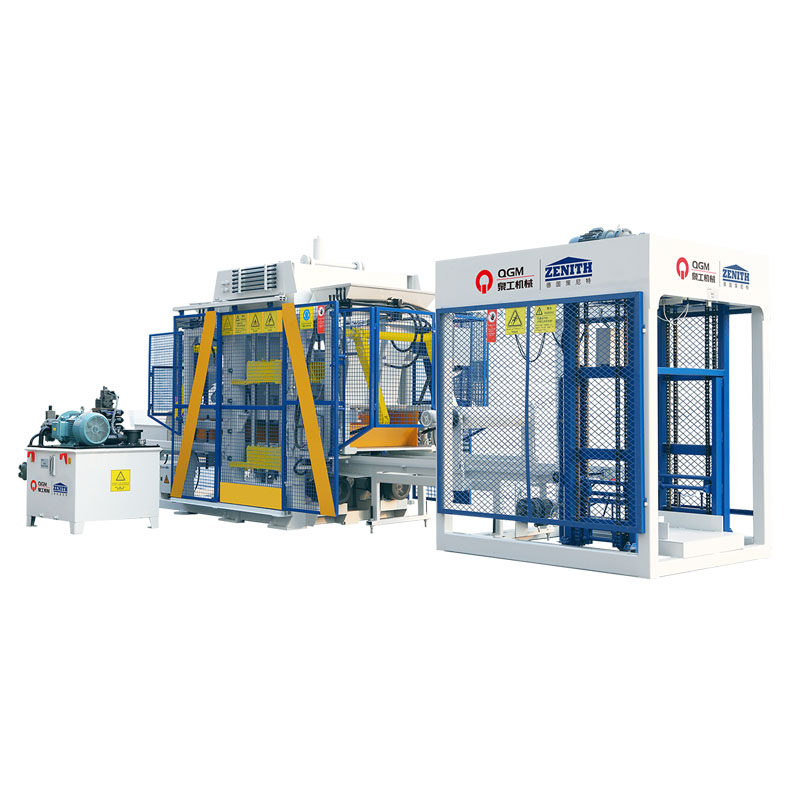
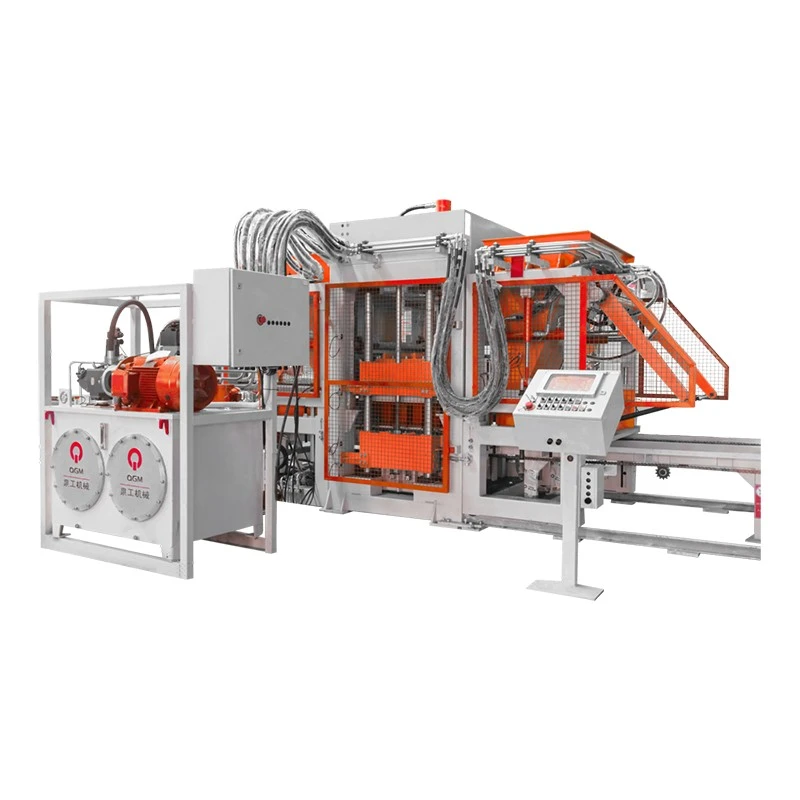
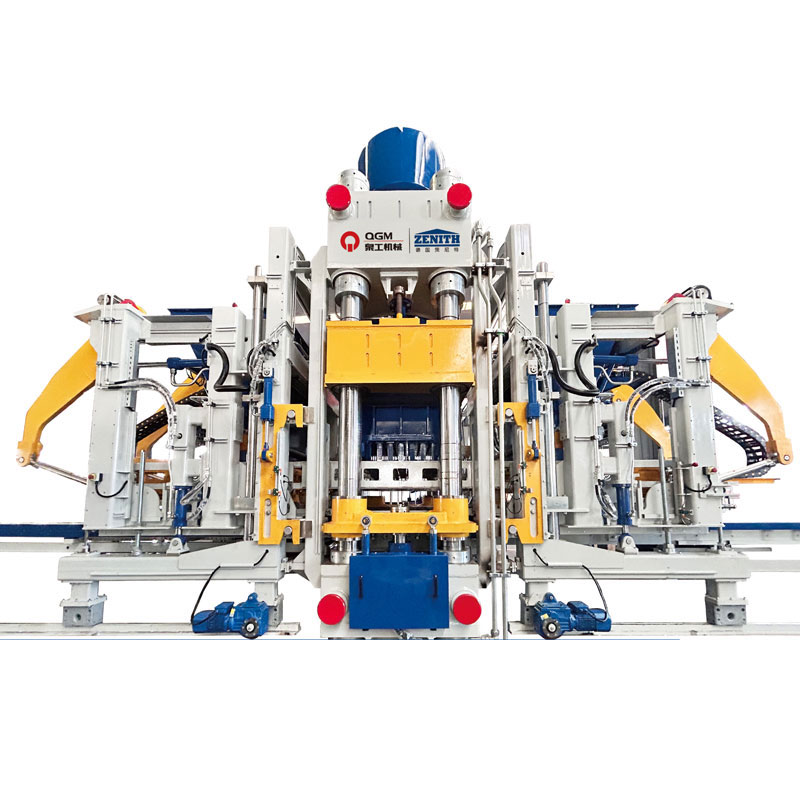
A single concrete block making machine can often produce different block specifications by changing the molds.
For customers in Southeast Asia, important factors when selecting a hollow block production machine include:
Whether the machine supports multiple block sizes
How easily the molds can be changed
Whether the machine can consistently produce different hollow block specifications
Whether the level of automation matches local labor costs and production targets
For manufacturers serving multiple construction projects, flexible mold configurations can make the production line more adaptable to changing market demand.
The Middle East has a wide range of residential developments, commercial buildings, industrial projects, and infrastructure construction, creating continued demand for concrete masonry products.
Different projects may require hollow blocks with different wall thicknesses and structural configurations. As a result, manufacturers often need production equipment with sufficient flexibility to adjust their product range.
For a hollow block production line serving the Middle Eastern market, mold compatibility is just as important as machine capacity.
By using different concrete block molds, manufacturers can produce different block sizes according to project requirements, helping improve equipment utilization and product flexibility.
The African construction market includes a wide variety of projects, from residential housing to commercial buildings, schools, hospitals, and infrastructure projects. Concrete hollow blocks can be used across many of these applications.
Because construction requirements differ from country to country and from project to project, customers may have different requirements for hollow block sizes, compressive strength, and production capacity.
For concrete block manufacturers in Africa, a hollow block production machine with strong product adaptability can make it easier to adjust the product range according to market demand.
Especially for project-based production, the ability to quickly change molds and manufacture different block specifications can improve production flexibility and help manufacturers serve more customers.
European construction markets generally place strong emphasis on building material quality, dimensional accuracy, and production consistency.
In addition to meeting basic construction requirements, hollow blocks are expected to maintain consistent dimensions, appearance, and production quality.
For this reason, when selecting a concrete block making machine, manufacturers in Europe and other high-standard construction markets may pay closer attention to:
Vibration systems
Compaction pressure
Automatic control systems
Mold manufacturing precision
Production consistency
A stable molding process can help reduce dimensional variation and improve consistency between production batches.
This is an important question for many customers planning to invest in a hollow block machine.
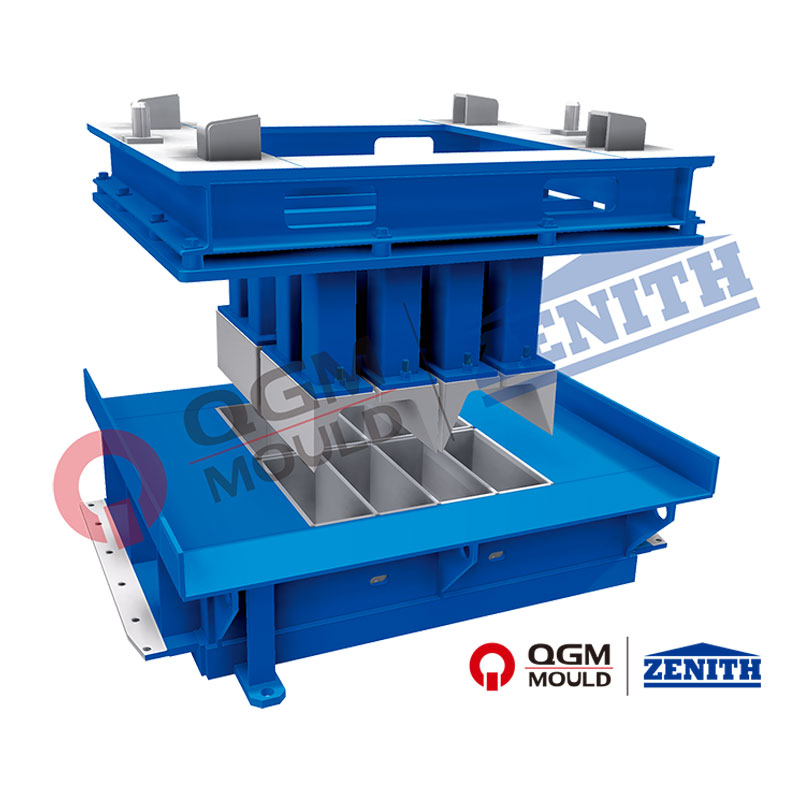
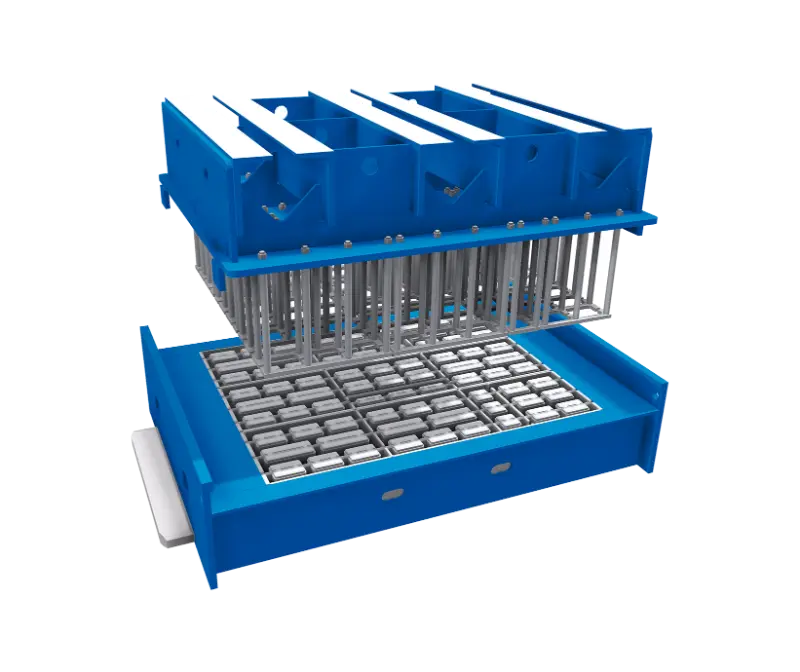
Yes. Hollow block molds can be designed and customized according to product requirements.
Since hollow block specifications can vary between countries and regions, a professional concrete block machine manufacturer needs to match the mold design with the customer's target market, block dimensions, hole configuration, and production requirements.
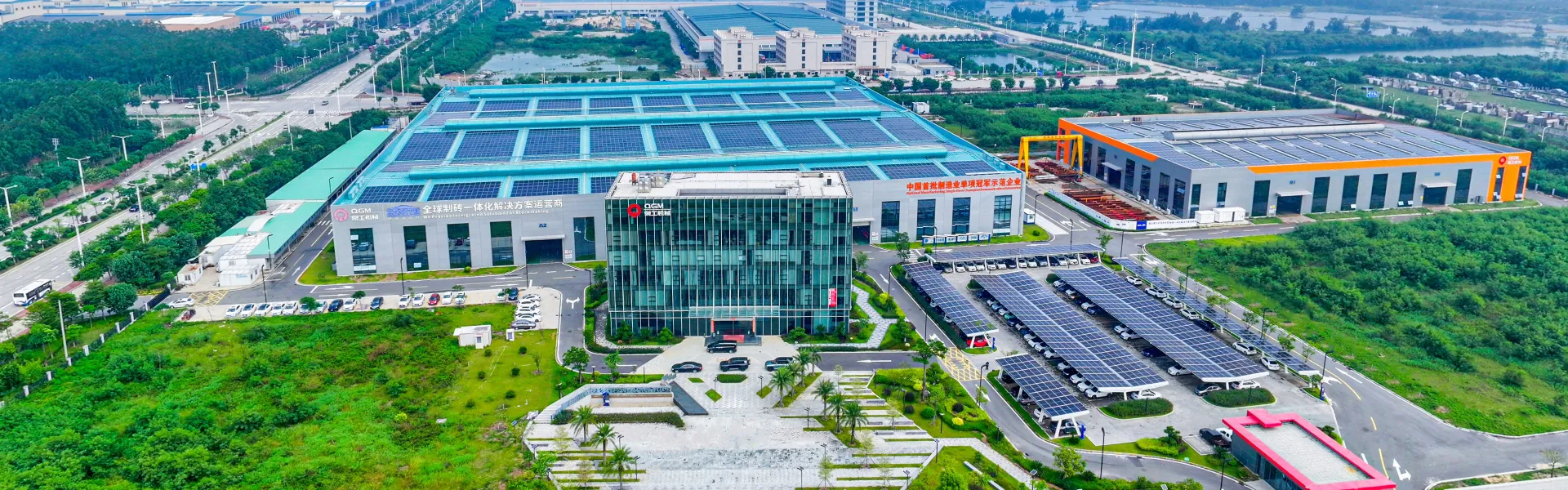
QGM supports customized concrete block molds according to customer product specifications and production requirements. This allows the equipment to better adapt to different market requirements.
As a result, customers investing in a hollow block production line do not necessarily have to limit themselves to a single block specification. They can plan different products based on local market demand.
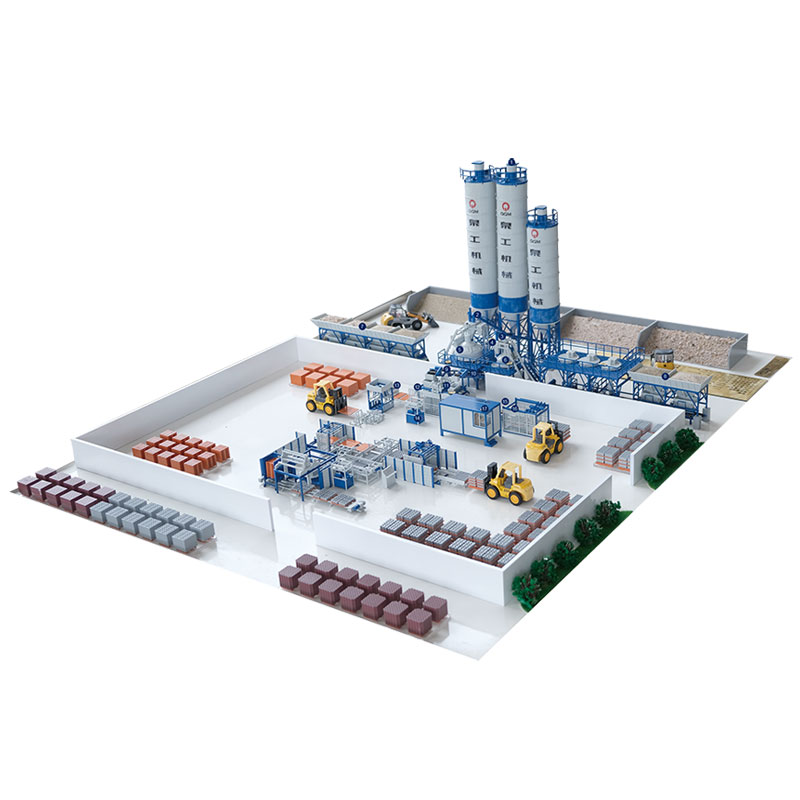
For investors planning to establish a concrete block factory, production capacity is only one factor to consider.
A more complete selection process should consider:
Product Size → Mold Configuration → Molding Process → Production Capacity → Automation Level
The entire production system should match the requirements of the target market.
For example, even when producing hollow blocks, different block sizes can result in different molding cycles, blocks per mold, and daily production output.
Therefore, before selecting a hollow block making machine, manufacturers should first determine the most commonly requested block sizes in their target market and then select the appropriate machine based on production capacity and product requirements.
Construction markets continue to change, and customer requirements can evolve over time.
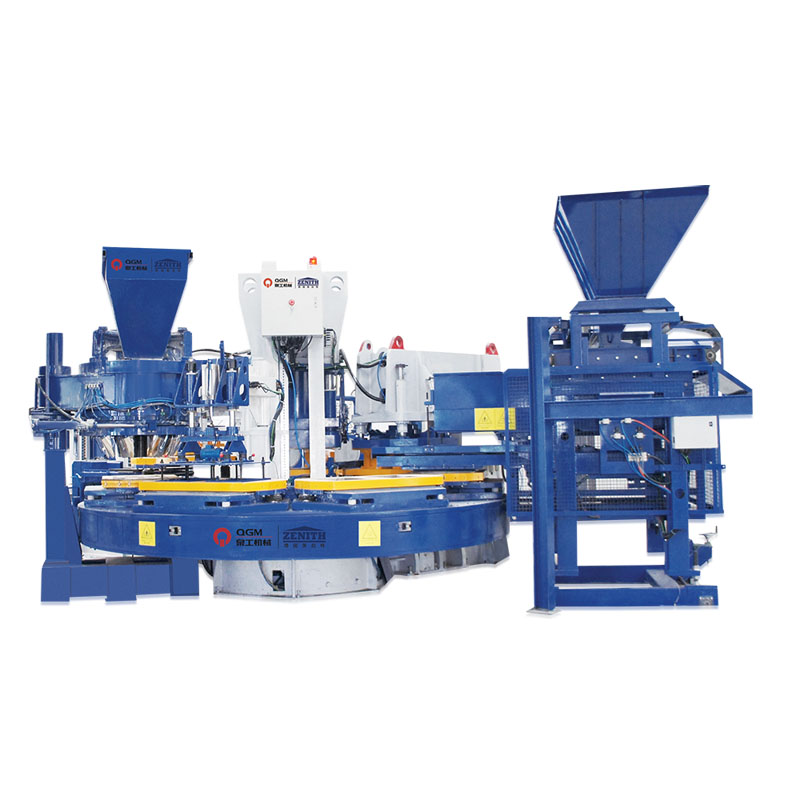
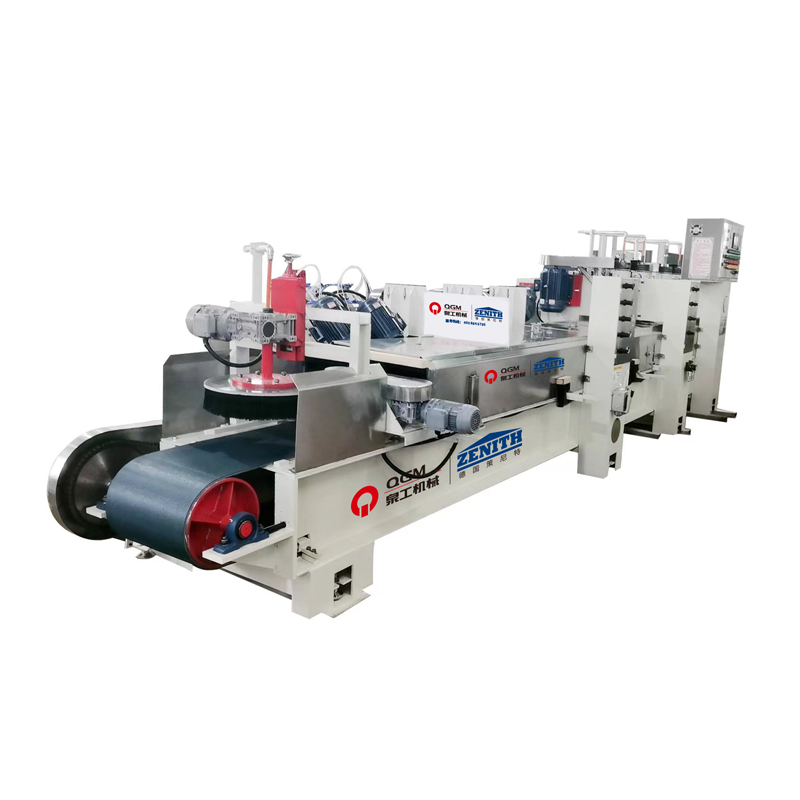
A fully automatic hollow block production line that can produce different hollow blocks, solid blocks, paving blocks, and other concrete products by changing molds can help manufacturers expand their product range and improve machine utilization.
For investors targeting markets in Southeast Asia, the Middle East, Africa, Europe, and other regions, it is therefore important to look beyond the production capacity and automation level of a hollow block machine.
Mold compatibility and customization capabilities should also be considered when evaluating concrete block production equipment.
QGM supports customized concrete block molds based on customer requirements, providing flexible machine and mold solutions for concrete product manufacturing projects in different countries and markets.
Whether your target market requires standard or special hollow block sizes, appropriate mold design combined with reliable molding equipment is an important foundation for efficient and consistent concrete block production.
Hollow block sizes are not completely standardized around the world. Block specifications can vary according to local building standards, construction practices, and market demand.
Therefore, when investing in a hollow block machine, concrete block making machine, or fully automatic block production line, the first step is to identify the block sizes required by your target market. The machine and mold configuration can then be selected according to the required products and production capacity.
For customers requiring customized hollow block specifications, QGM can provide customized mold solutions to help manufacturers build flexible and efficient concrete product production lines adapted to their local markets.