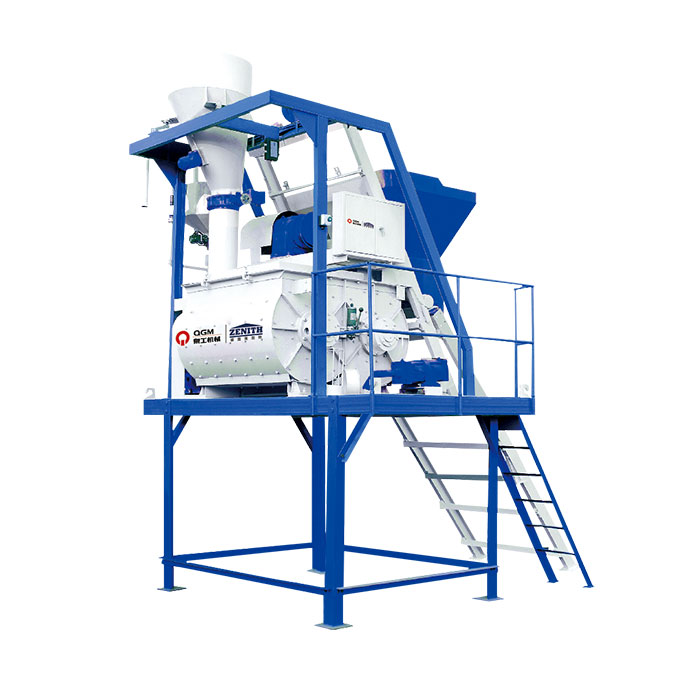
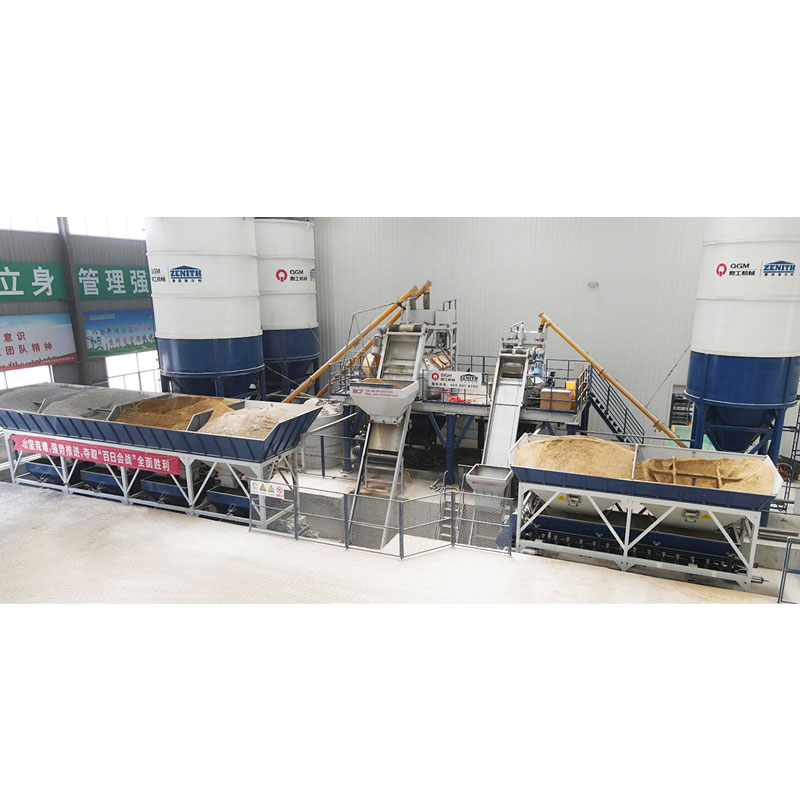
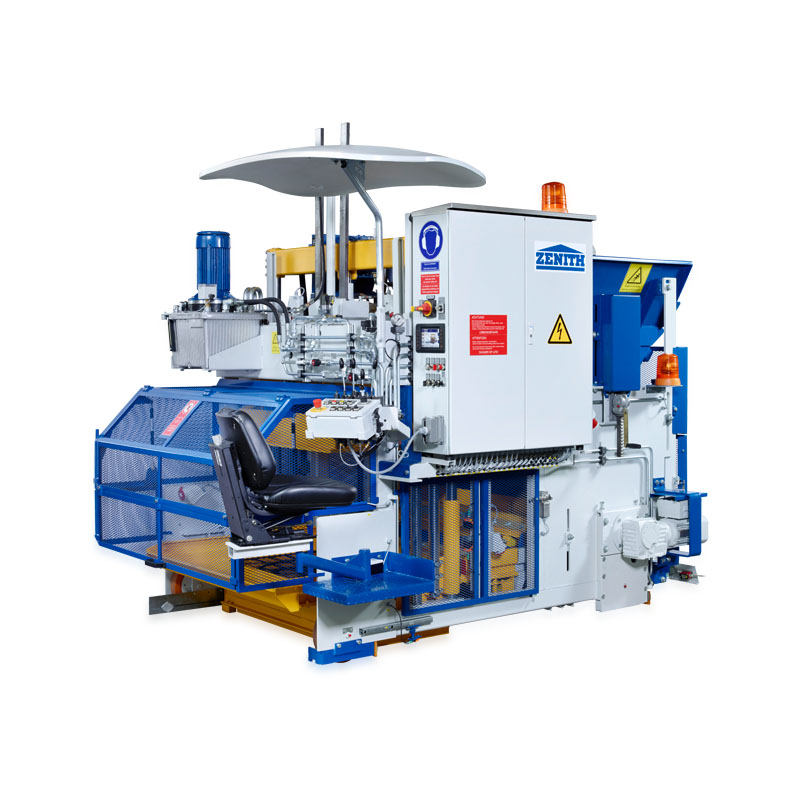
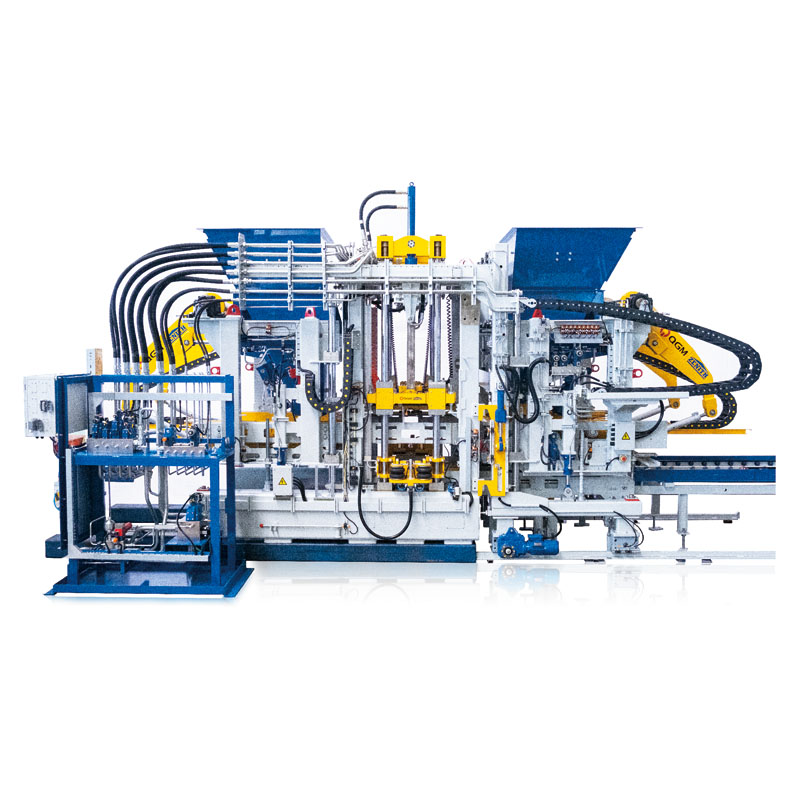
Selecting the right Concrete Mixer for a batching plant is not simply about choosing a machine with sufficient capacity. It requires a detailed evaluation of production goals, aggregate characteristics, discharge efficiency, automation compatibility, and long term operational cost. A mixer that appears suitable on paper may fail to deliver optimal homogeneity, cycle time, or durability if it does not match the specific configuration of the batch plant.
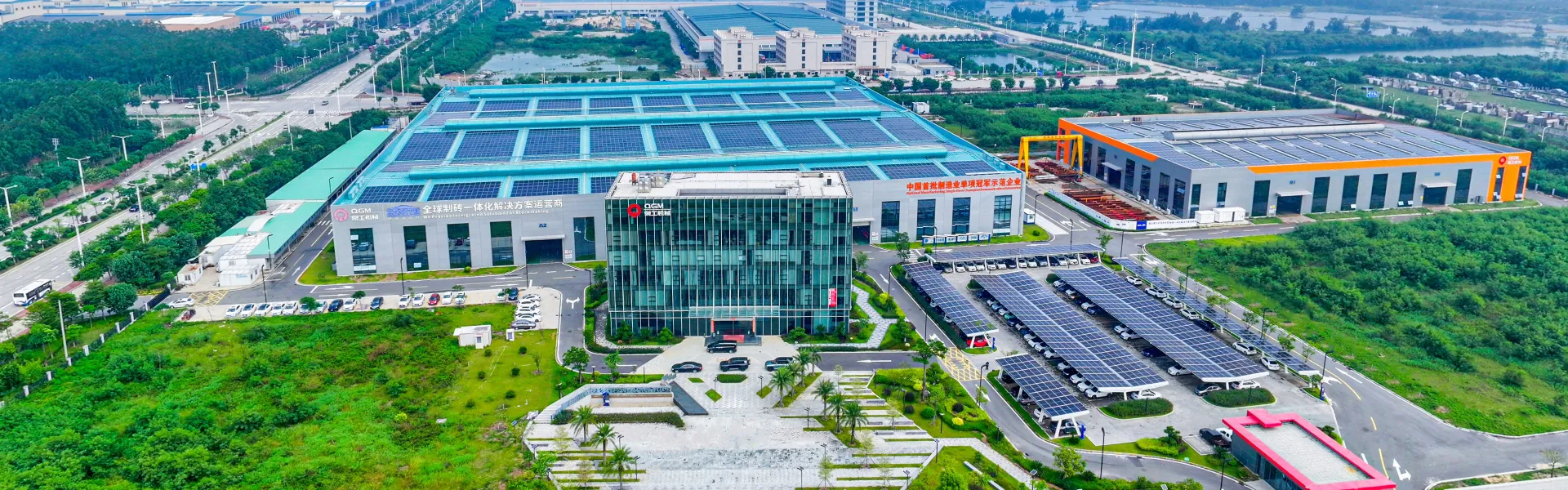
In practical terms, the correct Concrete Mixer must align with your plant’s output target, concrete type, jobsite demand, and maintenance strategy. At Quangong Machinery Co., Ltd., we have worked with contractors, precast factories, and infrastructure developers worldwide, and we understand that performance consistency over years of operation matters more than short term purchase savings. This guide explains how to evaluate technical parameters, mixing technology, and structural design so your investment delivers stable productivity and reliable quality.
What Production Capacity Should Your Batch Plant Deliver?
The first and most decisive factor when selecting a Concrete Mixer is matching its theoretical and practical output to the required plant capacity. Many production inefficiencies originate from capacity mismatch rather than mechanical failure.
1. Evaluate Hourly Output Requirements
Start by identifying the real production demand per hour. For example:
Commercial ready mix plants often require 60 to 180 cubic meters per hour
Precast factories may focus on cycle precision rather than extreme volume
Infrastructure projects demand high consistency and peak hour flexibility
At Quangong Machinery Co., Ltd., our factory designs mixing systems ranging from 0.5 cubic meter to 4 cubic meter per batch. The correct choice depends on:
Batch cycle time
Feeding and discharge speed
Aggregate moisture content
Admixture complexity
2. Understand Effective vs Theoretical Capacity
A common mistake is relying only on theoretical output. Effective capacity accounts for:
Loading time
Mixing time
Discharge time
System coordination delay
For example, a 2 cubic meter twin shaft Concrete Mixer may have a theoretical capacity of 120 cubic meters per hour. However, if cycle time increases due to material variability, actual output may drop to 100 cubic meters per hour.
3. Capacity Reference Table
Model
Rated Capacity per Batch
Theoretical Output per Hour
Mixing Power
Discharge Mode
JS1000
1.0 m3
50 to 60 m3
2 x 18.5 kW
Hydraulic
JS1500
1.5 m3
75 to 90 m3
2 x 30 kW
Hydraulic
JS2000
2.0 m3
100 to 120 m3
2 x 37 kW
Hydraulic
JS3000
3.0 m3
150 to 180 m3
2 x 55 kW
Hydraulic
Our engineering team ensures that every Concrete Mixer configuration aligns with plant scale. This prevents underperformance or unnecessary oversizing, which can increase energy consumption and maintenance costs.
How Does Mixing Technology Influence Concrete Quality?
The type of mixing technology significantly affects concrete homogeneity, strength development, and workability retention. Choosing the wrong design can compromise product consistency.
1. Twin Shaft Mixing Technology
Twin shaft mixers are widely used for commercial and high strength concrete production. Advantages include:
Intensive three dimensional mixing motion
Short mixing cycle
Uniform distribution of cement paste
Excellent performance for dry hard concrete
At Quangong Machinery Co., Ltd., our twin shaft Concrete Mixer series adopts:
High wear resistant alloy liners
Chromium manganese mixing blades
Synchronized gearbox system
Optimized blade angle design
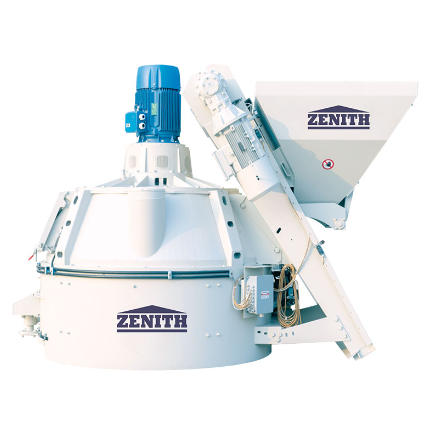
2. Planetary Mixing Technology
Planetary mixers are preferred in precast and block production due to:
Uniform mixing at lower speed
Suitable for colored and special concrete
Minimal dead zones
Our factory offers planetary systems with multiple mixing arms to ensure even distribution across the drum surface.
3. Mixing Time Comparison
Mixing Type
Standard Mixing Time
Best For
Concrete Type
Twin Shaft
30 to 45 seconds
High Output Plants
Ready Mix
Planetary
45 to 60 seconds
Precast Factory
Colored Concrete
Choosing the appropriate Concrete Mixer technology ensures structural uniformity and compliance with strength specifications. Our production lines undergo strict quality inspection before delivery.
Which Technical Parameters Define a Reliable Concrete Mixer?
Beyond capacity and technology, technical specifications determine stability and durability.
1. Structural Design
Thickened drum steel plate for vibration resistance
Reinforced shaft sealing system
Precision machined gearbox alignment
Heavy duty bearing configuration
2. Key Technical Parameters
Parameter
Specification Range
Drum Thickness
8 to 12 mm wear resistant steel
Blade Material
High chromium alloy
Shaft Seal
Multi layer labyrinth plus oil seal
Motor Protection
IP55
Electrical System
PLC automatic control
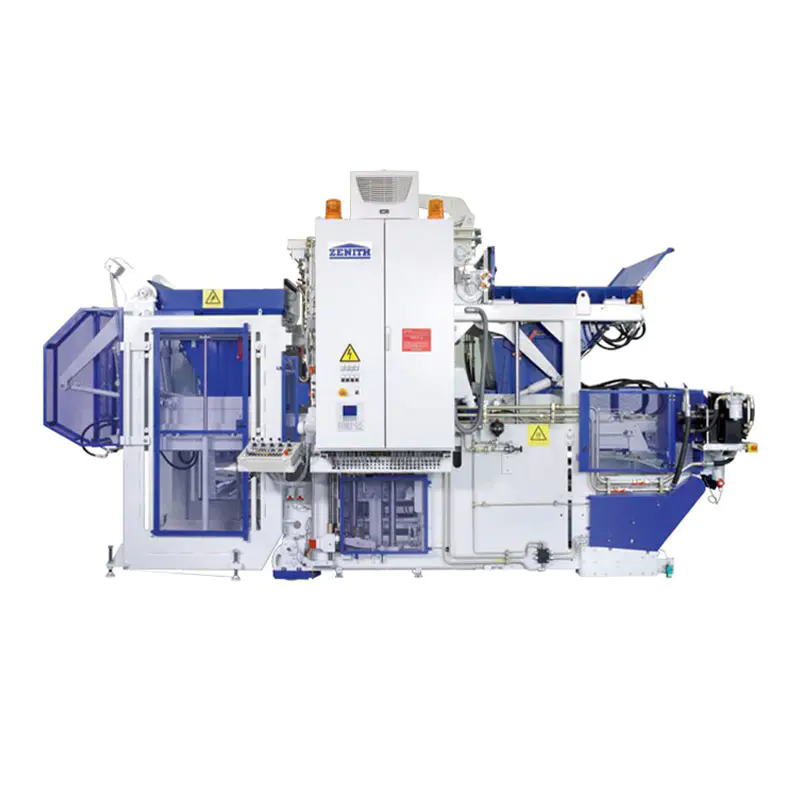
At Zenith , our design philosophy focuses on minimizing wear and ensuring stable torque transmission. Each Concrete Mixer undergoes load testing to verify mixing uniformity.
How Should a Concrete Mixer Integrate with Your Batch Plant System?
A Concrete Mixer must function as part of a coordinated production system.
1. Control System Compatibility
PLC integration
Automatic batching synchronization
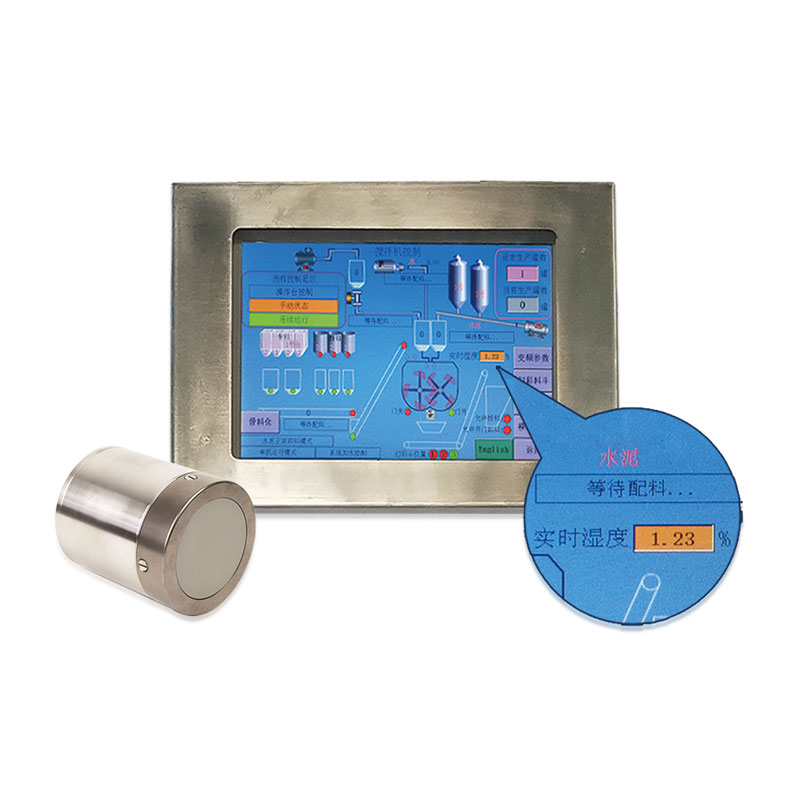
Real time moisture correction
Remote monitoring capability
Our factory provides integrated control cabinets compatible with global electrical standards.
2. Feeding and Discharge Coordination
Proper alignment with:
Aggregate batching machine
Conveyor belt system
Cement weighing system
Truck loading height
Quangong Machinery Co., Ltd. ensures that our mixers are engineered for seamless integration, reducing idle time and improving cycle efficiency.
Why Do Durability and Maintenance Design Determine Long Term ROI?
Long term profitability depends on structural durability and maintenance accessibility.
1. Wear Resistant Components
Replaceable liners
Standardized blade bolts
Easy access inspection doors
2. Maintenance Interval Optimization
Our engineering improvements allow:
Extended lubrication cycles
Reduced shaft leakage risk
Lower spare parts consumption
Every Concrete Mixer from Quangong Machinery Co., Ltd. is designed for stable performance under continuous operation. Our after sales support ensures spare part availability and technical consultation.
Conclusion
Selecting the right Concrete Mixer requires balancing capacity, mixing technology, structural durability, and system integration. A properly matched solution ensures consistent concrete quality, efficient production cycles, and long term operational stability. At Quangong Machinery Co., Ltd., we combine engineering expertise, advanced manufacturing, and strict quality control to provide reliable solutions tailored to different batching plant scales. Contact our team today to receive customized technical recommendations and competitive quotations that match your production goals.
FAQ
Q1: How to Select a Concrete Mixer That Matches Your Batch Plant Requirements when output demand fluctuates?
Choose a mixer with slightly higher rated capacity than average demand to accommodate peak production while ensuring the cycle time aligns with feeder and discharge systems.
Q2: How to Select a Concrete Mixer That Matches Your Batch Plant Requirements for high strength concrete?
Prioritize twin shaft technology with high mixing intensity and wear resistant blades to ensure uniform cement distribution and consistent strength development.
Q3: How to Select a Concrete Mixer That Matches Your Batch Plant Requirements in limited space installations?
Evaluate mixer footprint dimensions and discharge height to ensure compatibility with plant layout and aggregate feeding systems.
Q4: How to Select a Concrete Mixer That Matches Your Batch Plant Requirements for precast factories?
Planetary mixers are often suitable due to uniform mixing and suitability for colored or special concrete formulations.
Q5: How to Select a Concrete Mixer That Matches Your Batch Plant Requirements for long term cost control?
Focus on durable liners, high quality shaft sealing, energy efficient motors, and reliable after sales support to reduce downtime and maintenance expenses.
We use cookies to offer you a better browsing experience, analyze site traffic and personalize content. By using this site, you agree to our use of cookies.
Privacy Policy