Starting a hollow block factory can be an attractive opportunity for manufacturers and construction material investors, especially in markets where concrete blocks are widely used for residential, commercial, and infrastructure projects.
However, one of the first questions investors need to answer is: How much does it cost to start a hollow block factory?
There is no single fixed figure. The total investment depends on several factors, including land, production equipment, curing facilities, molds, factory construction, utilities, production capacity, and the level of automation.
Understanding these costs before starting a project can help investors build a more realistic budget and choose the right concrete block production solution.
1. Land Cost for a Hollow Block Factory
Land is one of the first expenses to consider when starting a hollow block factory.
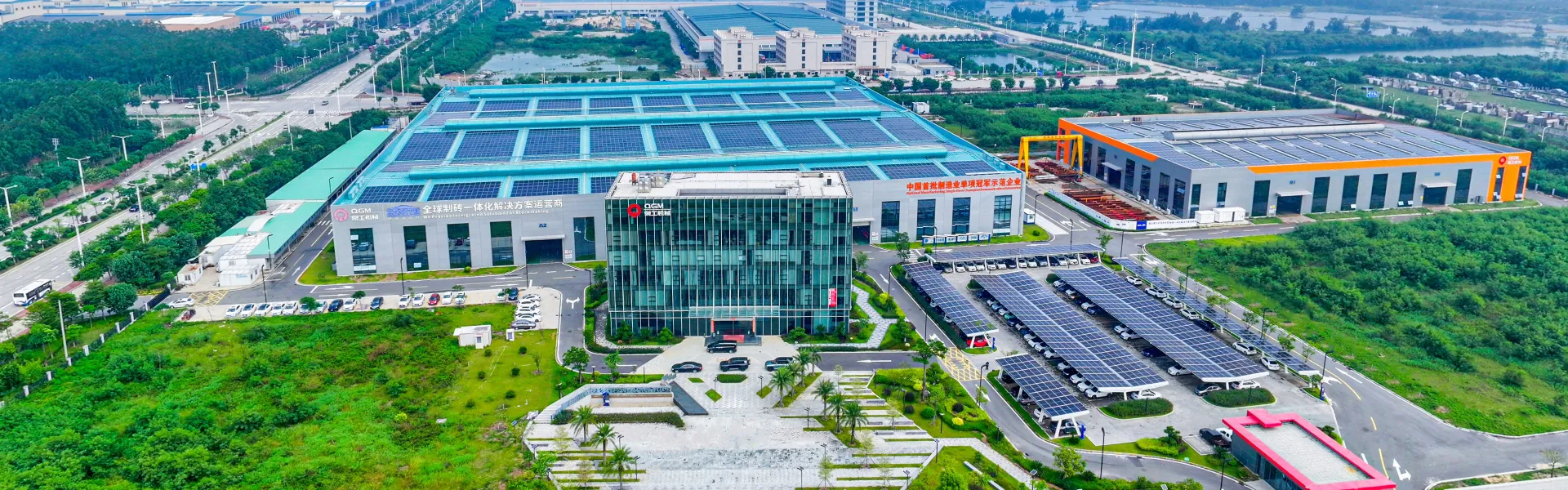
The cost of land varies significantly depending on the country, region, industrial area, and location. In addition to the purchase or rental cost, investors need to consider whether the available space is sufficient for production, raw material storage, curing, finished product storage, and vehicle access.
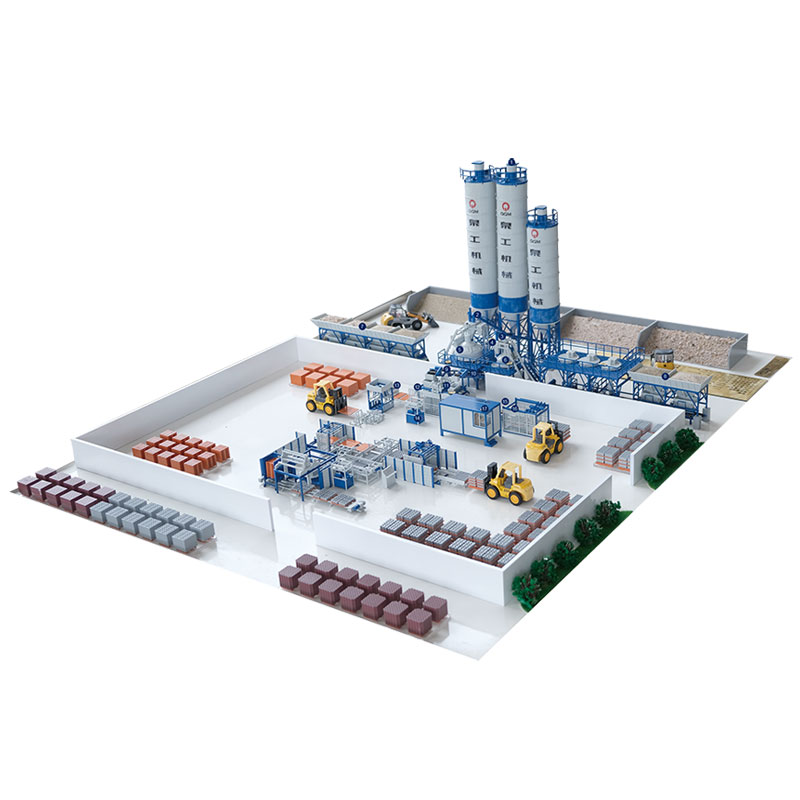
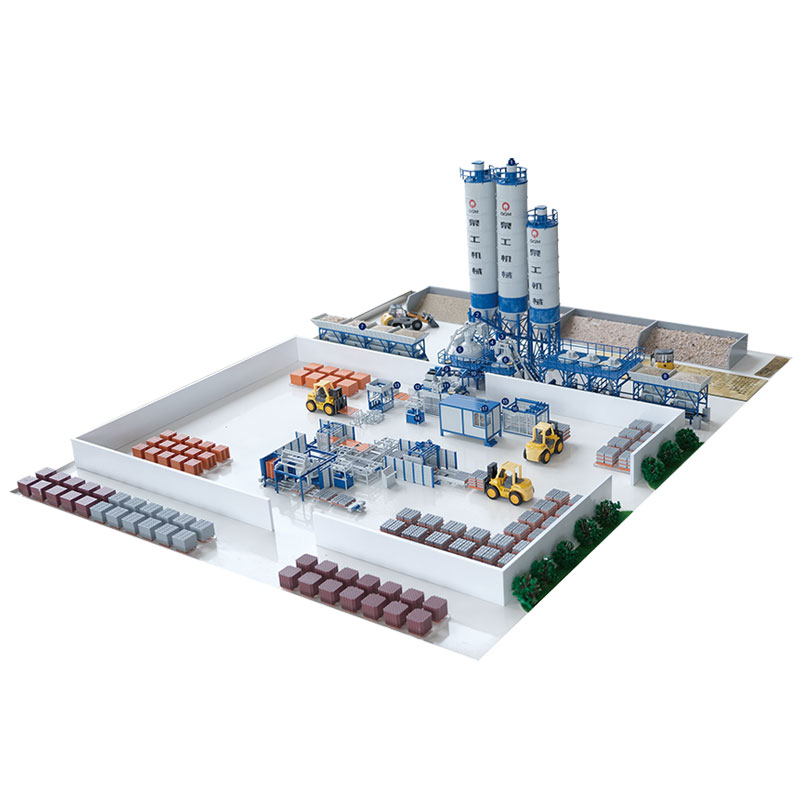
A typical hollow block factory may require dedicated areas for:
Raw material storage
Production workshop
Block curing area
Finished product storage
Equipment maintenance
Office and auxiliary facilities
The factory location should therefore be evaluated based on more than land price. Transportation access, electricity supply, raw material availability, logistics costs, and potential future expansion should also be considered.
For a new project with a limited initial budget, the factory layout can be planned according to the target production capacity to avoid unnecessary investment in excess space.
2. Equipment Cost for a Concrete Block Factory
Production equipment is usually one of the largest investments when establishing a hollow block factory.
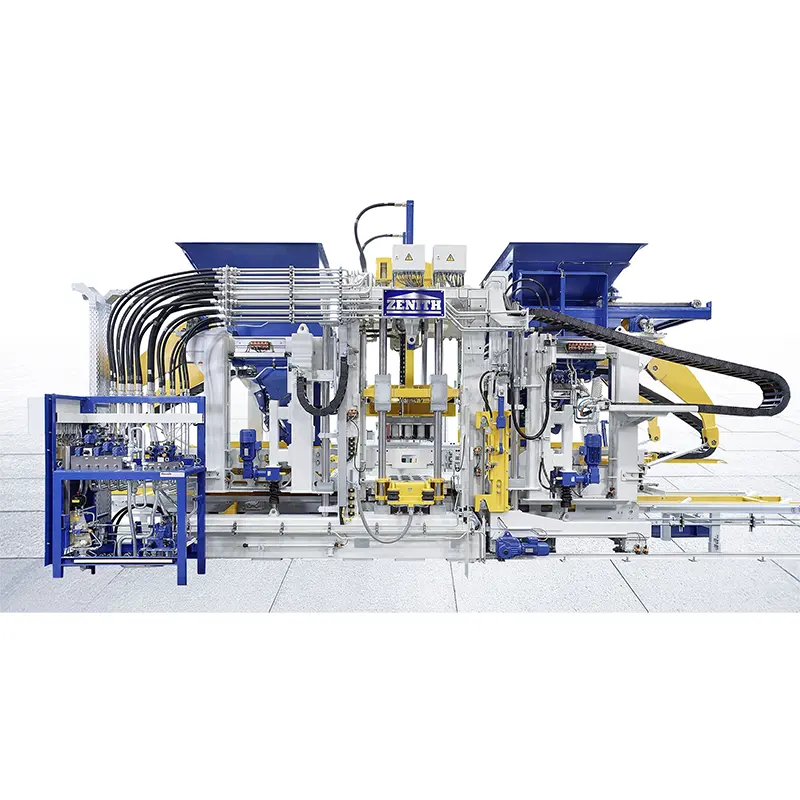
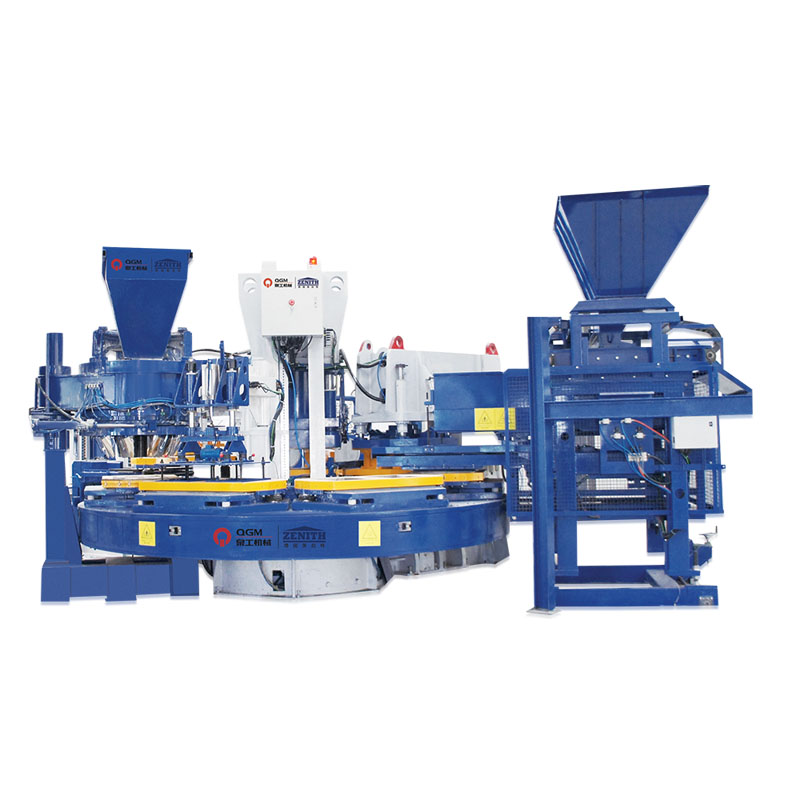
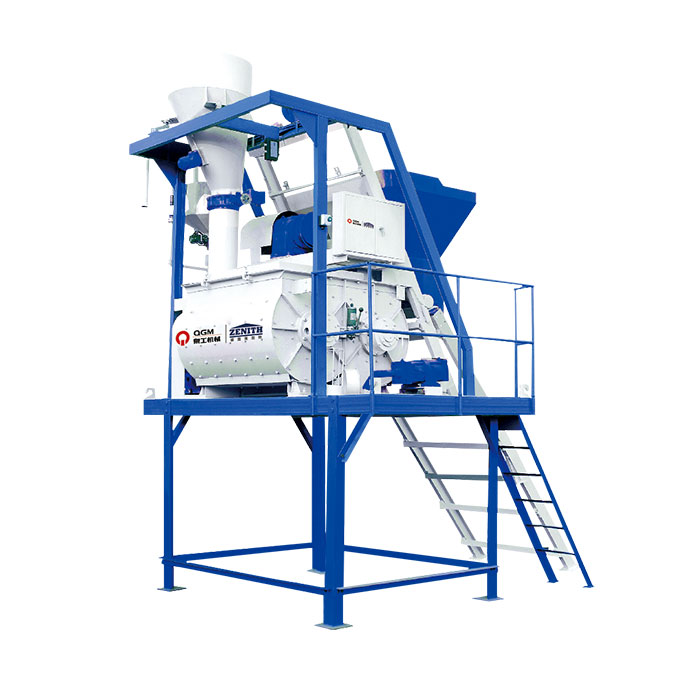
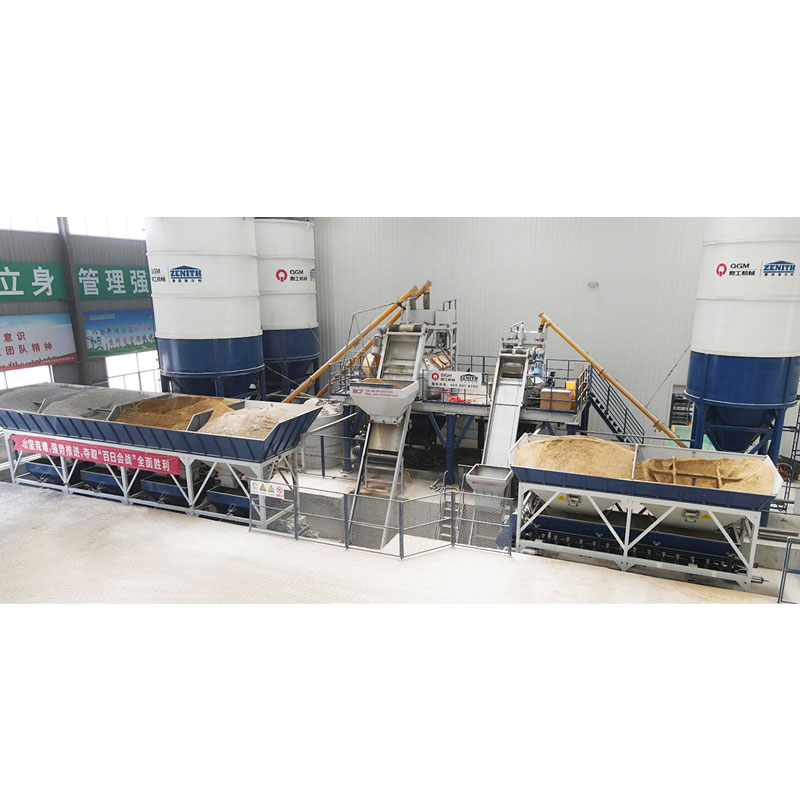
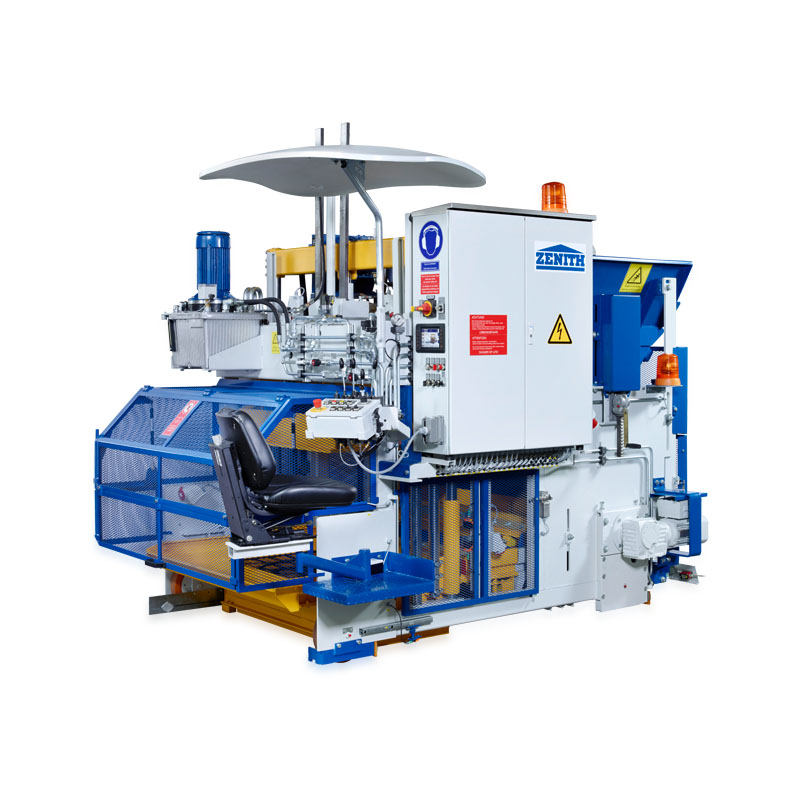
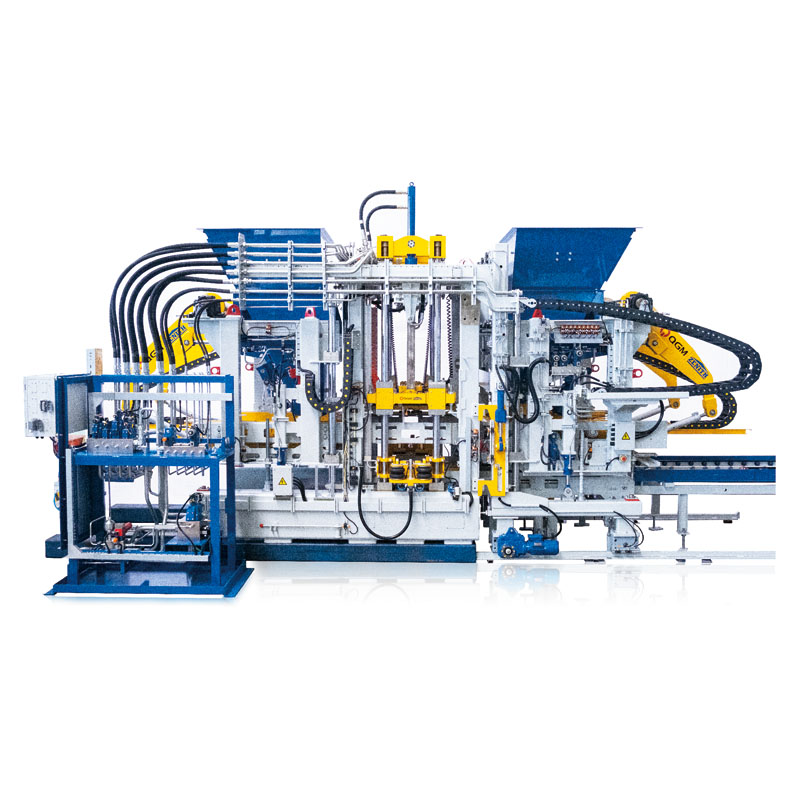
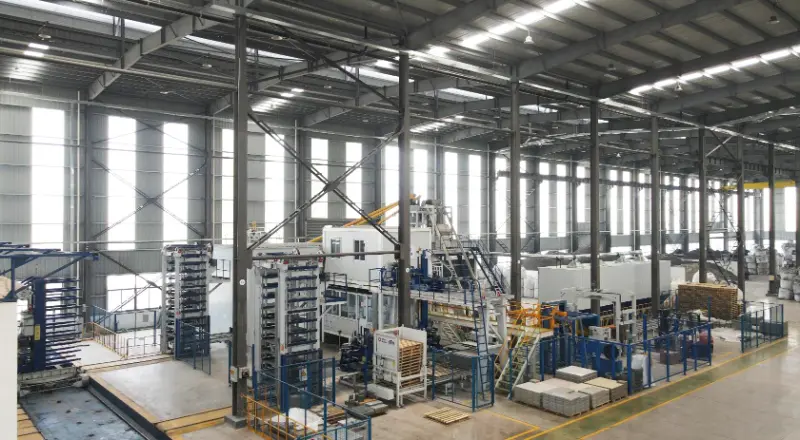
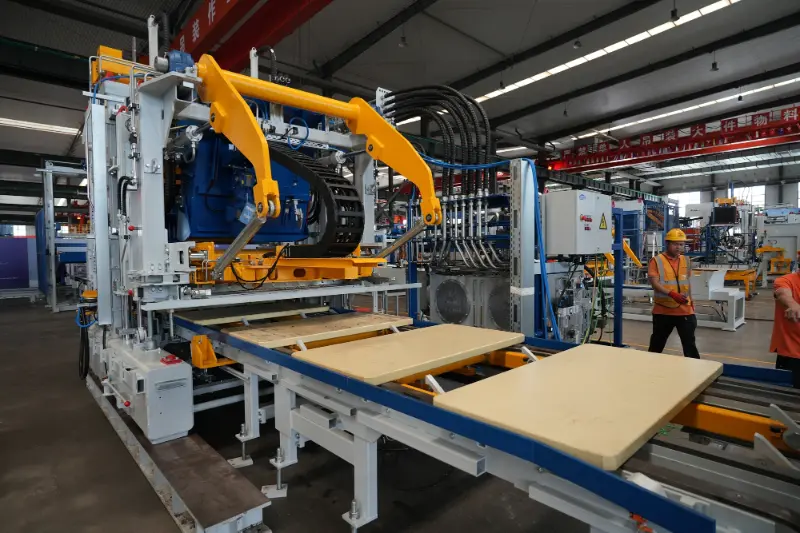
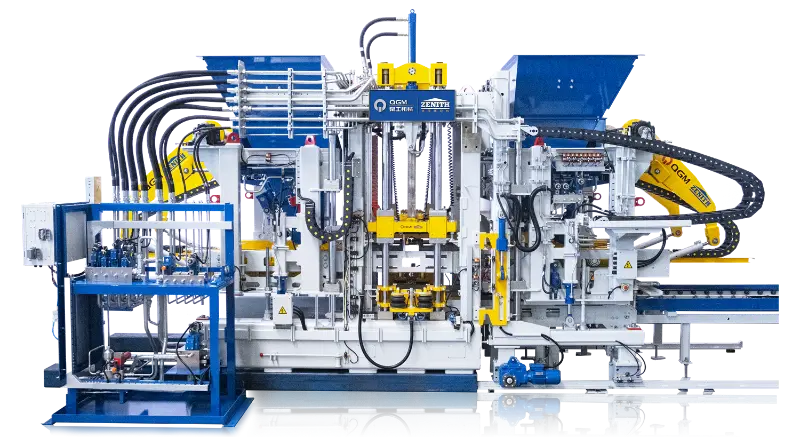
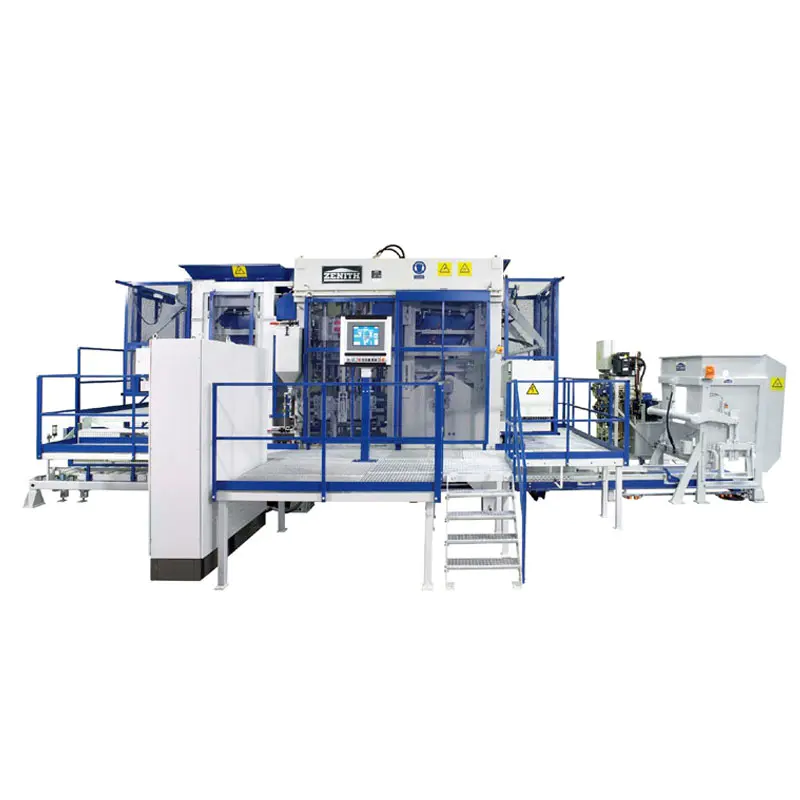
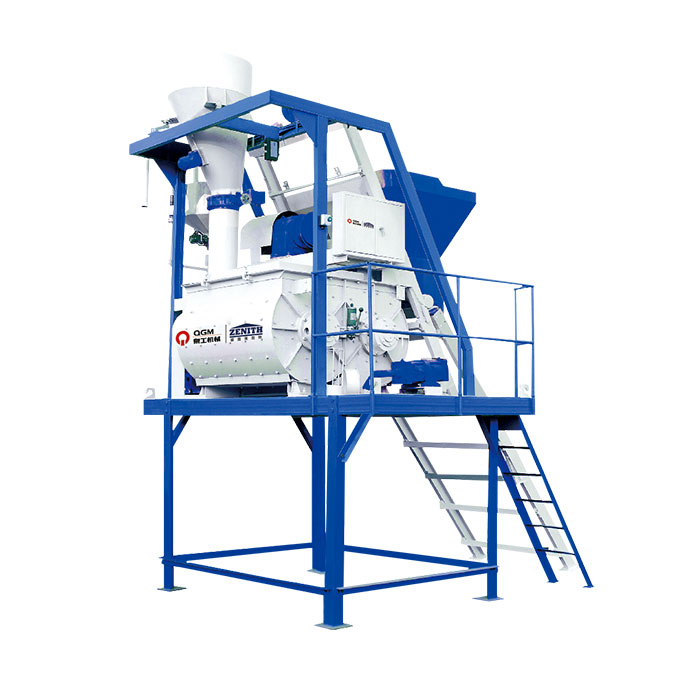
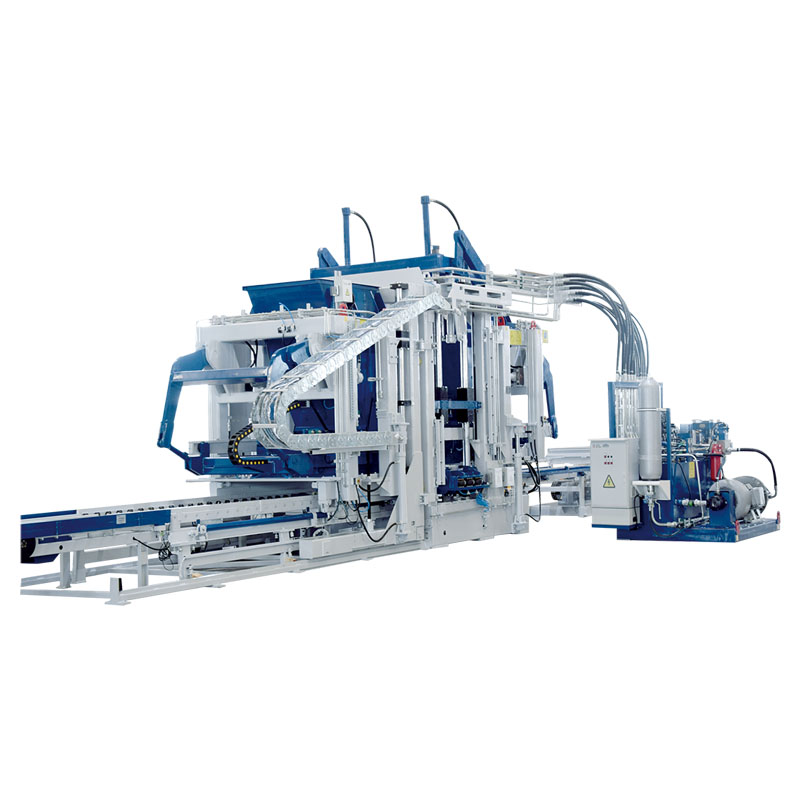
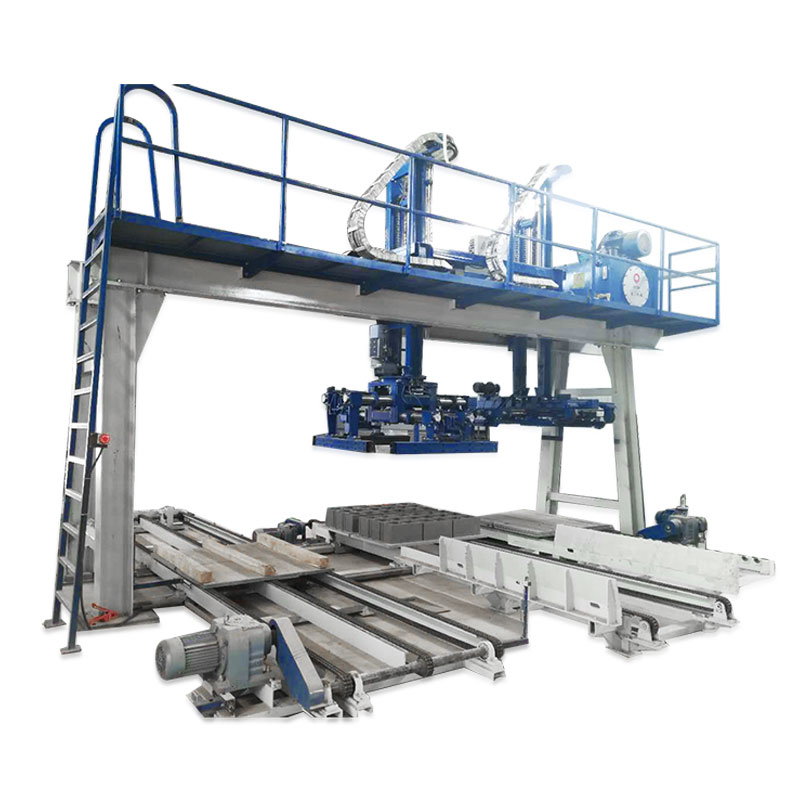
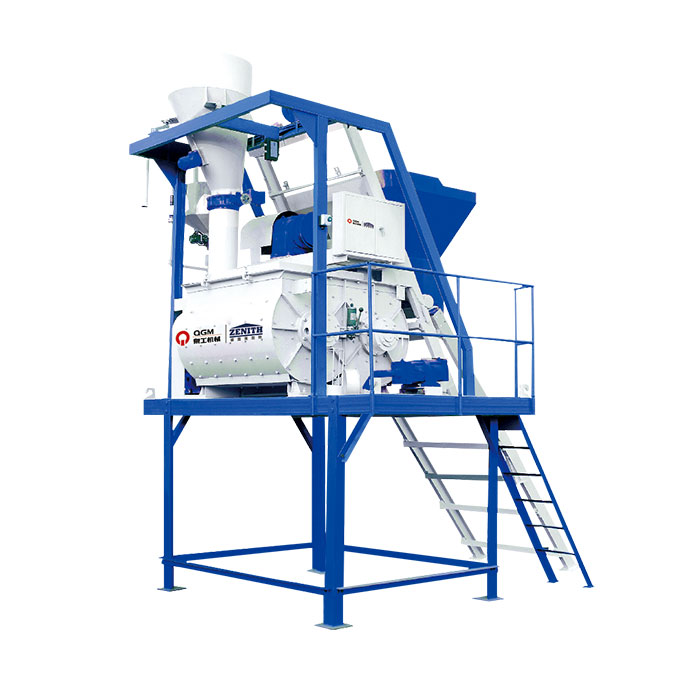
A complete concrete block production line may include batching equipment, a concrete mixer, a block machine, conveyor systems, pallet handling equipment, stacking systems, and other auxiliary equipment.
The total equipment cost depends on production capacity, automation level, product types, and line configuration.
If the factory focuses mainly on hollow concrete blocks, the equipment can be configured around the required block specifications and production volume. If the factory also plans to manufacture solid blocks, paving blocks, curbstones, or other concrete products, equipment compatibility and mold options should also be considered.
When comparing concrete block machines, investors should look beyond the initial purchase price and evaluate production efficiency, reliability, automation, maintenance requirements, service life, and labor requirements.
A properly configured concrete block production line can help improve productivity and reduce dependence on manual operations.
3. Curing Cost and Facilities
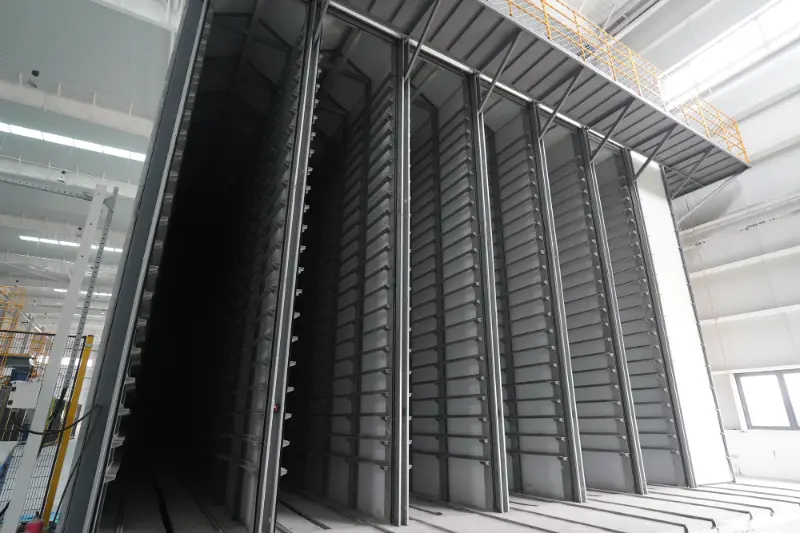
After concrete blocks are formed, they need to go through an appropriate curing process before they can be delivered for construction use.
Proper curing allows concrete blocks to develop the required strength and helps maintain product quality and dimensional stability.
The appropriate curing method can vary depending on production capacity, climate, factory layout, and local operating conditions.
Therefore, curing areas and related facilities should be included in the initial investment budget.
Efficient curing management can also affect production cycles, product turnover, and the overall utilization of the manufacturing facility.
4. Mold Cost for Hollow Block Production
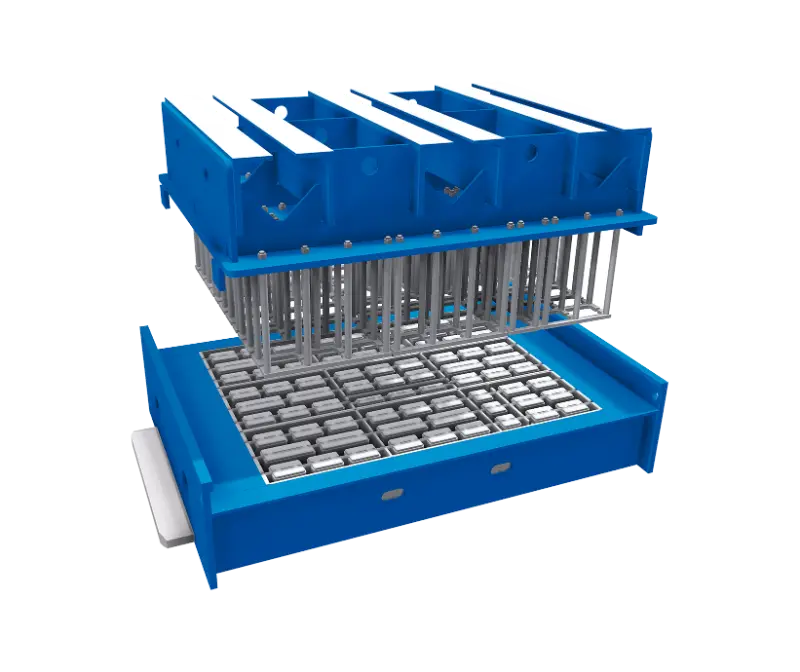
Molds are another important part of the investment when starting a concrete block factory.
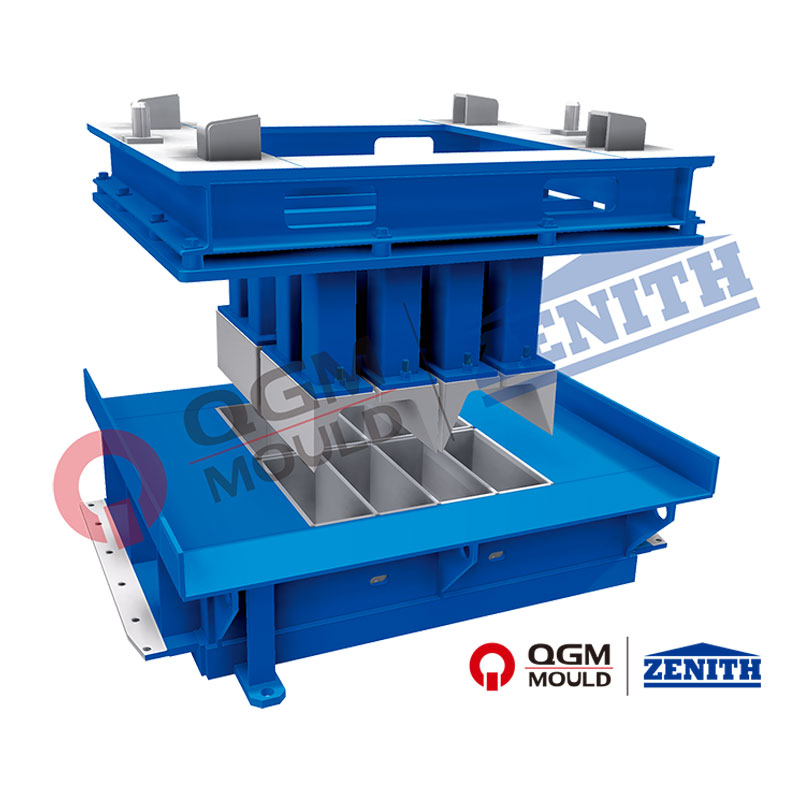
Different block dimensions and product types require different molds. For example, hollow blocks, solid blocks, paving blocks, and curbstones may require different mold configurations.
The total mold investment therefore depends largely on the number and type of products a factory plans to manufacture.
For a new hollow block factory, it may be more practical to start with molds for the block sizes that have the strongest local demand. Additional molds can then be introduced as the product range expands.
This approach can help control the initial investment while maintaining flexibility for future market development.
5. Other Costs to Consider When Starting a Hollow Block Factory
Land, equipment, curing facilities, and molds are major investment categories, but they are not the only expenses involved in establishing a block manufacturing plant.
Other potential costs include:
Factory construction
Electrical and water infrastructure
Equipment installation and commissioning
Raw material storage
Material handling equipment
Transportation equipment
Maintenance facilities
Initial working capital
The total investment can therefore be viewed as:
Land Cost + Factory Infrastructure + Production Equipment + Curing Facilities + Molds + Installation + Working Capital
The actual amount will depend on local construction costs, production capacity, equipment configuration, and product requirements.
6. How to Control the Long-Term Operating Cost
Initial investment is only one part of the economics of a hollow block factory. Once production starts, manufacturers also need to control recurring operating costs.
Labor, raw materials, electricity, maintenance, equipment utilization, and production efficiency all contribute to the cost of each concrete block.
For this reason, automation should be considered during the factory planning stage.
A more automated concrete block production line can reduce repetitive manual operations and improve coordination between batching, mixing, block forming, conveying, pallet handling, and stacking.
For medium- and large-scale block factories, an appropriate level of automation can help reduce labor requirements, improve production consistency, and increase equipment utilization.
7. ZN1000-2 for Efficient Hollow Block Production
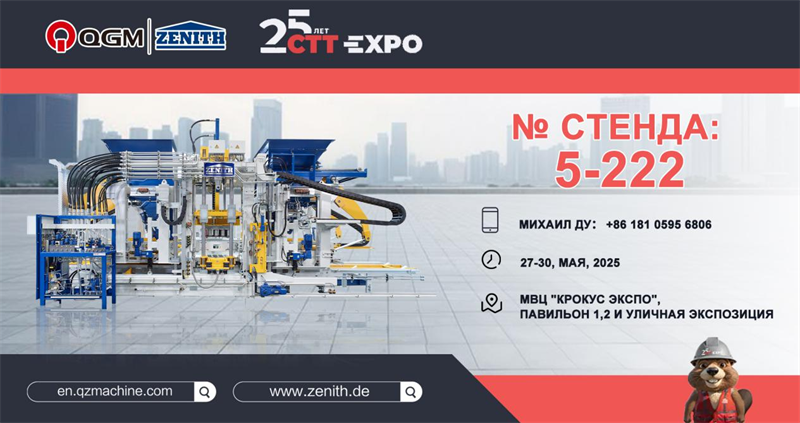
For investors planning to establish an automated hollow block factory, ZN1000-2 can be considered as an equipment solution for efficient concrete block production.
The equipment can be used for manufacturing hollow concrete blocks and other concrete products, while its automated production process can reduce manual intervention and support continuous and stable operation.
When planning a hollow block factory, investors can configure the production equipment, curing area, molds, and auxiliary systems according to the target production capacity, product types, available factory space, and investment budget.
Rather than focusing only on the purchase price of a block machine, it is important to evaluate the relationship between equipment investment, production capacity, labor requirements, product quality, and long-term operating efficiency.
Conclusion
How much does it cost to start a hollow block factory? The answer depends on the specific project.
Land, production equipment, curing facilities, molds, factory infrastructure, and supporting systems can all influence the total investment. Production capacity, product specifications, and the level of automation will also affect the final budget.
Before starting a hollow block manufacturing project, investors should conduct a detailed analysis of local market demand, production capacity, raw material availability, operating costs, and equipment requirements.
By selecting appropriate production equipment, planning an efficient curing system, and configuring molds according to market demand, a new factory can establish a practical balance between initial investment and long-term production efficiency.
Equipment such as ZN1000-2 can be considered when planning an automated concrete block production line for efficient hollow block manufacturing.
We use cookies to offer you a better browsing experience, analyze site traffic and personalize content. By using this site, you agree to our use of cookies. Privacy Policy