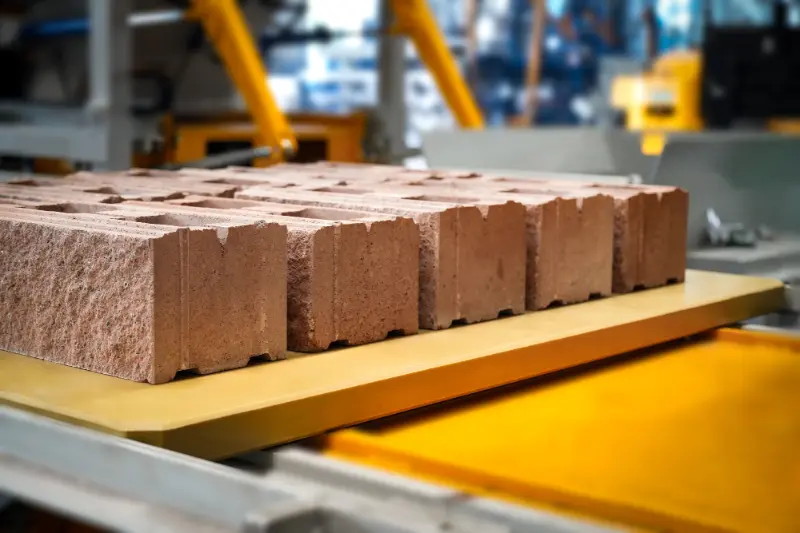
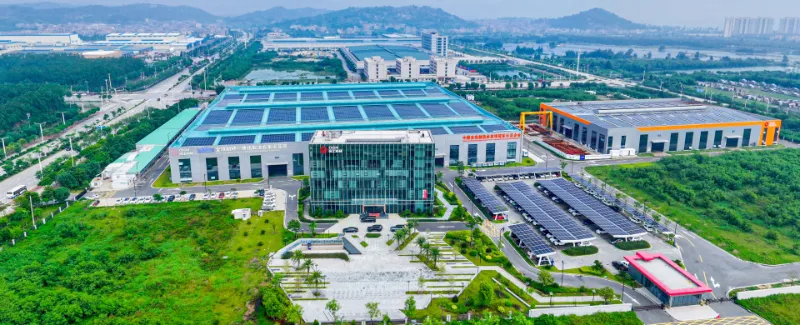
As demand for sustainable building materials continues to grow, hollow blocks and concrete blocks are becoming increasingly important in modern construction. For manufacturers and investors, understanding hollow block production cost is essential for setting competitive prices, controlling operating expenses, and evaluating the return on investment of a block production plant.
The total cost of producing hollow blocks is influenced by several factors, including cement, sand and aggregates, labor, electricity, equipment investment, maintenance, and overall production efficiency.
For this reason, manufacturers should look beyond the initial equipment price and evaluate the total cost of production over the entire operating life of the plant.
What Makes Up Hollow Block Production Cost?
In general, the main components of hollow block production cost include:
Cement + Sand and Aggregates + Labor + Electricity + Equipment and Maintenance
The exact proportion of each cost depends on local material prices, product specifications, mix design, production capacity, labor rates, electricity prices, and the level of automation.
Understanding each cost component can help manufacturers identify where production efficiency can be improved.
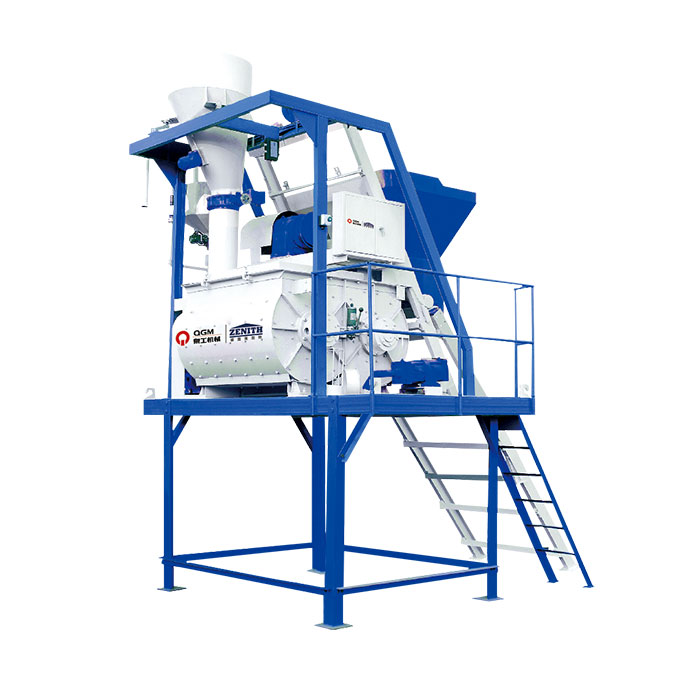
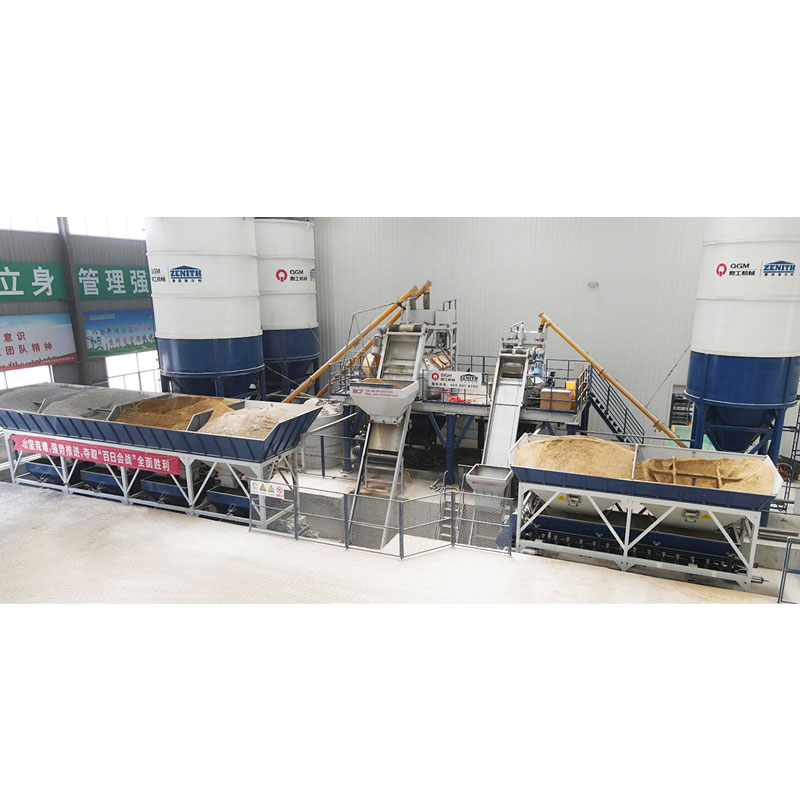
1. Cement and Sand: Key Raw Material Costs
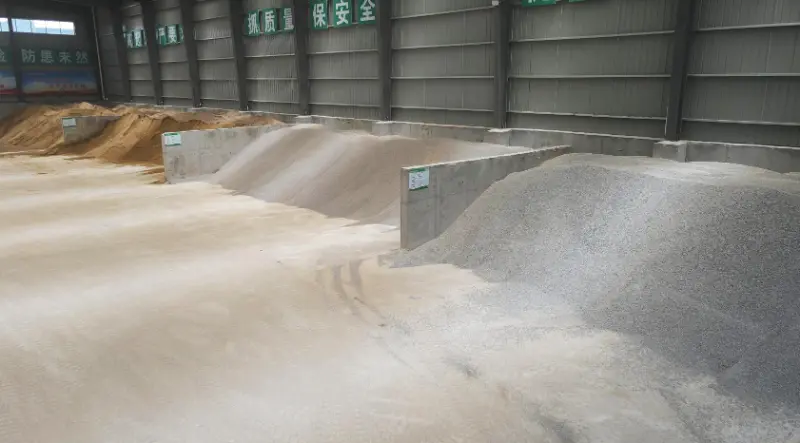
Cement is one of the main binding materials used in concrete block production, while sand and other aggregates form the primary structure of the finished product.
The cost of cement and aggregates can vary significantly from one market to another. Product dimensions, required strength, mix proportions, and local material prices also have a direct impact on the final hollow block production cost.
A basic calculation can be expressed as:
Material Cost per Block = Cement Consumption × Cement Price + Aggregate Consumption × Aggregate Price + Other Material Costs
An optimized mix design can help manufacturers maintain the required block strength and dimensional stability while controlling material consumption.
2. Labor Cost: An Increasingly Important Factor
Labor is another major component of concrete block production cost.
In conventional production, workers may be required for raw material handling, equipment operation, pallet transfer, product handling, stacking, and other production processes.
As production capacity increases, relying on additional workers to support higher output can significantly increase operating expenses.
At the same time, many manufacturers are facing rising labor costs and a shortage of experienced operators. This has made automation an increasingly important consideration when planning a modern concrete block production line.
3. Electricity Cost and Production Efficiency
Electricity is required for several stages of concrete block production, including mixing, material feeding, block forming, conveying, and pallet handling.
Therefore, electricity consumption should also be included when calculating the total cost of production.
Effective energy management does not simply mean choosing equipment with the lowest power rating. Instead, manufacturers should consider the relationship between energy consumption, production capacity, operating efficiency, and equipment utilization.
A well-integrated automated production line can coordinate different production stages more efficiently, reducing unnecessary downtime and improving overall productivity.
4. Equipment Cost: Look Beyond the Initial Purchase Price
Equipment investment is usually one of the largest upfront expenses when establishing a block manufacturing plant.
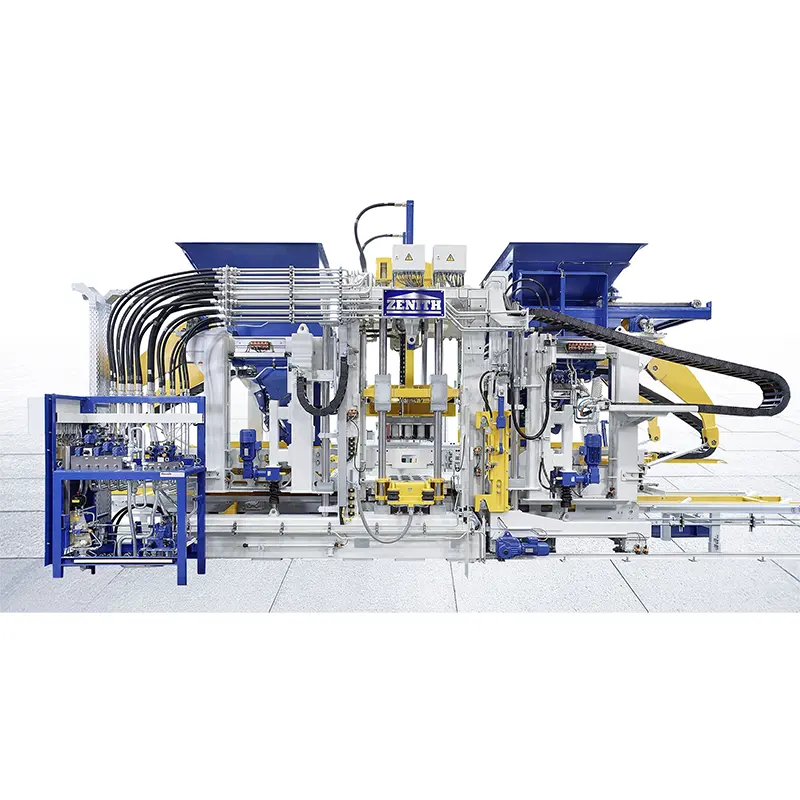
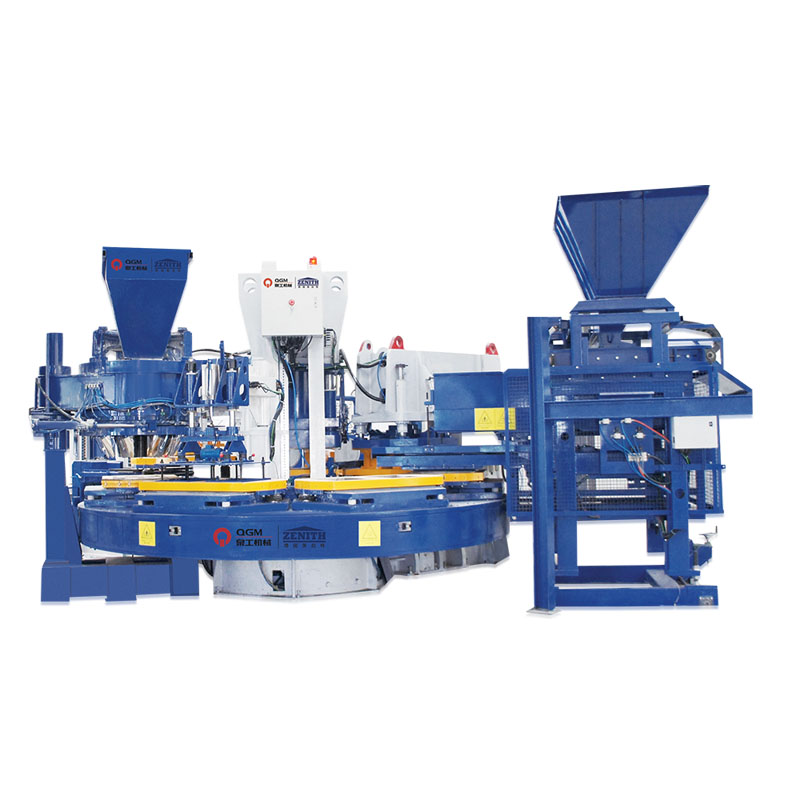
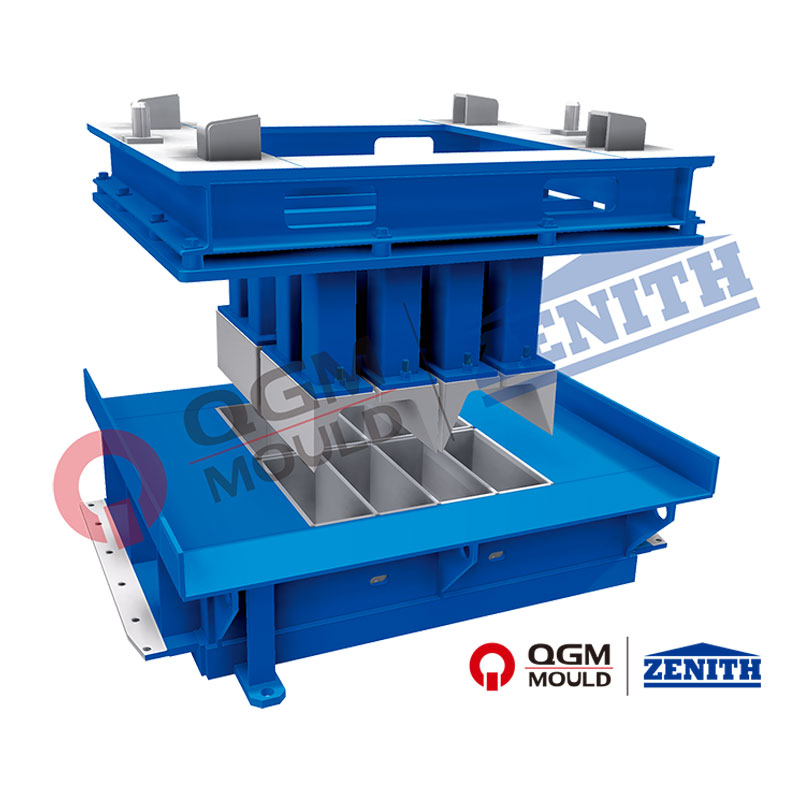
However, the actual equipment-related cost includes more than the purchase price. Installation, commissioning, molds, maintenance, spare parts, depreciation, and future upgrades should also be considered.
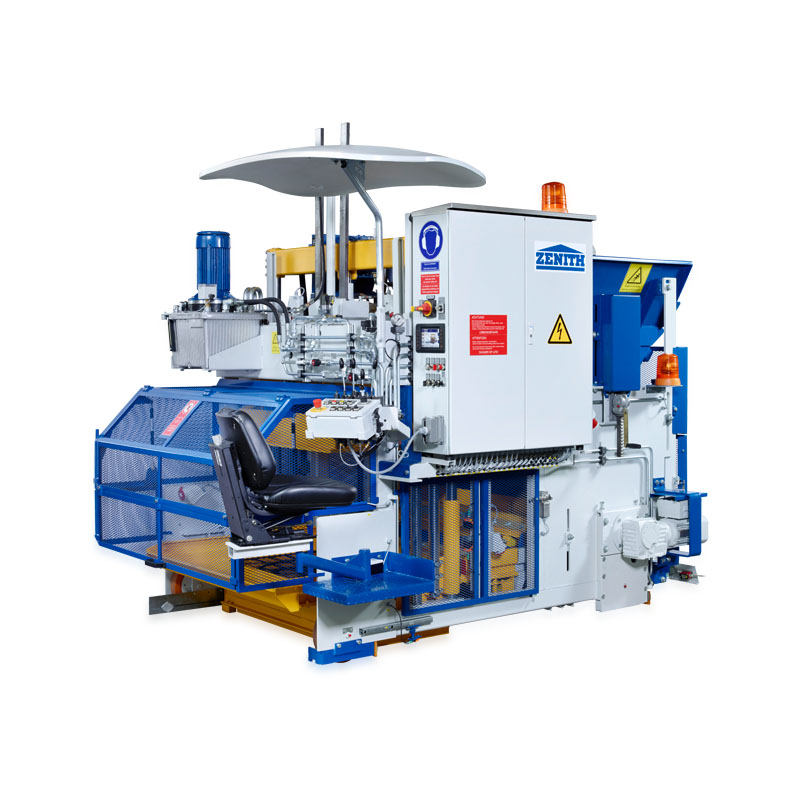
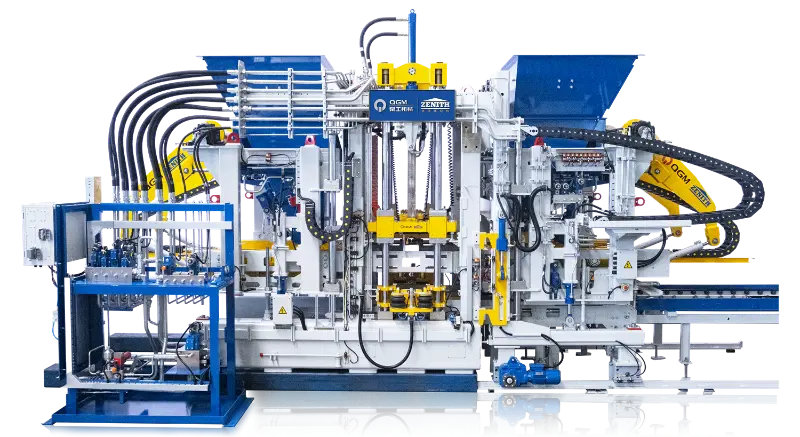
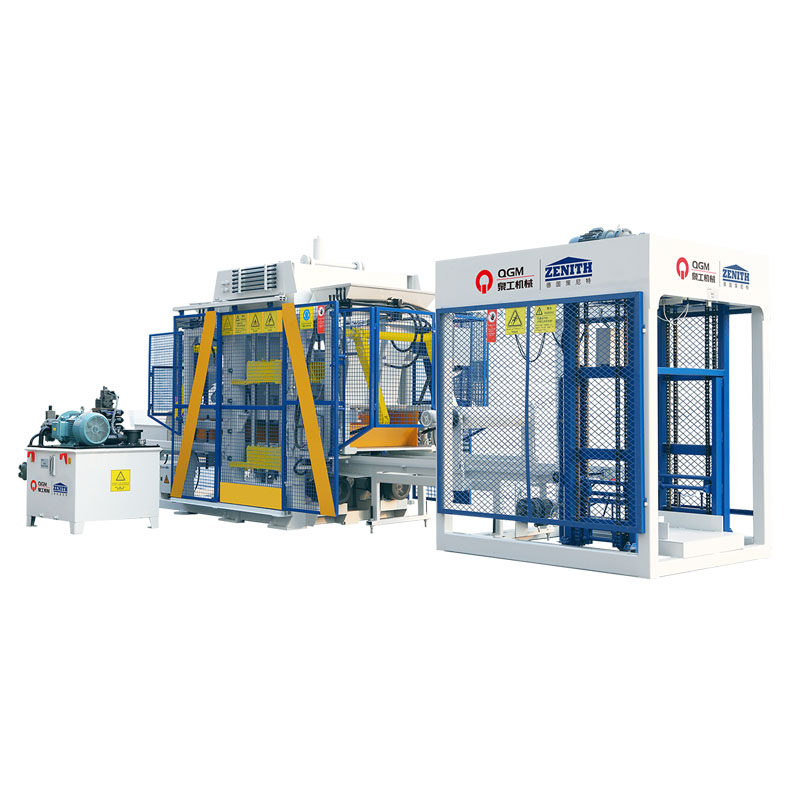
When evaluating a concrete block machine or complete production line, manufacturers should consider:
· Production capacity
· Cost per block
· Level of automation
· Product quality and consistency
· Equipment service life
· Maintenance requirements
· Labor requirements
· Potential for future expansion
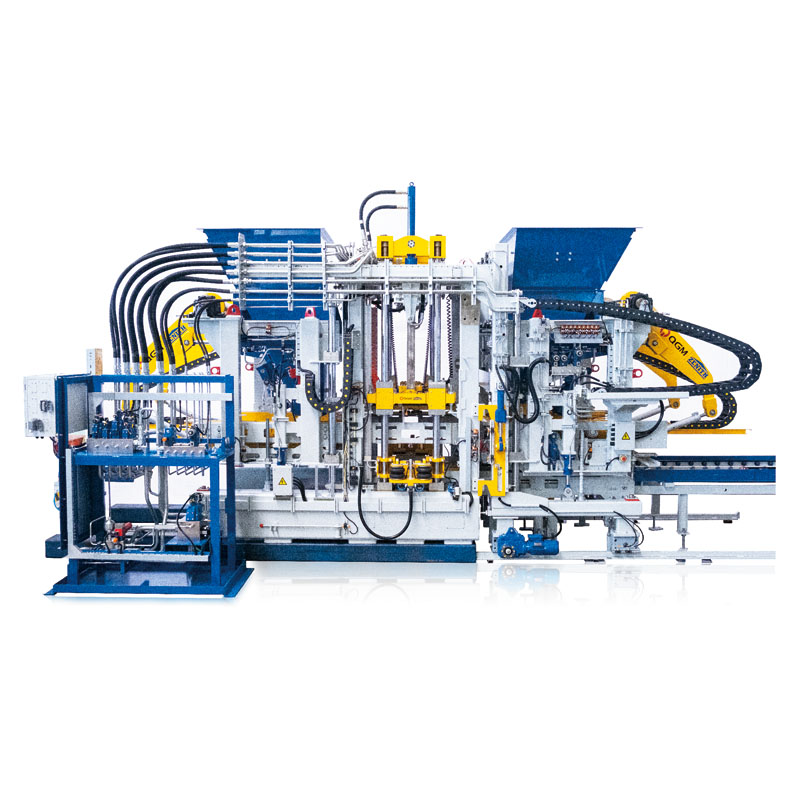
A highly automated block machine and production line may require a higher initial investment, but it can potentially reduce labor requirements and improve production efficiency over the long term.
5. How Automation Can Reduce Labor Costs
For modern hollow block manufacturers, reducing labor costs does not simply mean employing fewer workers. The more important goal is to reduce repetitive and labor-intensive operations through automation.
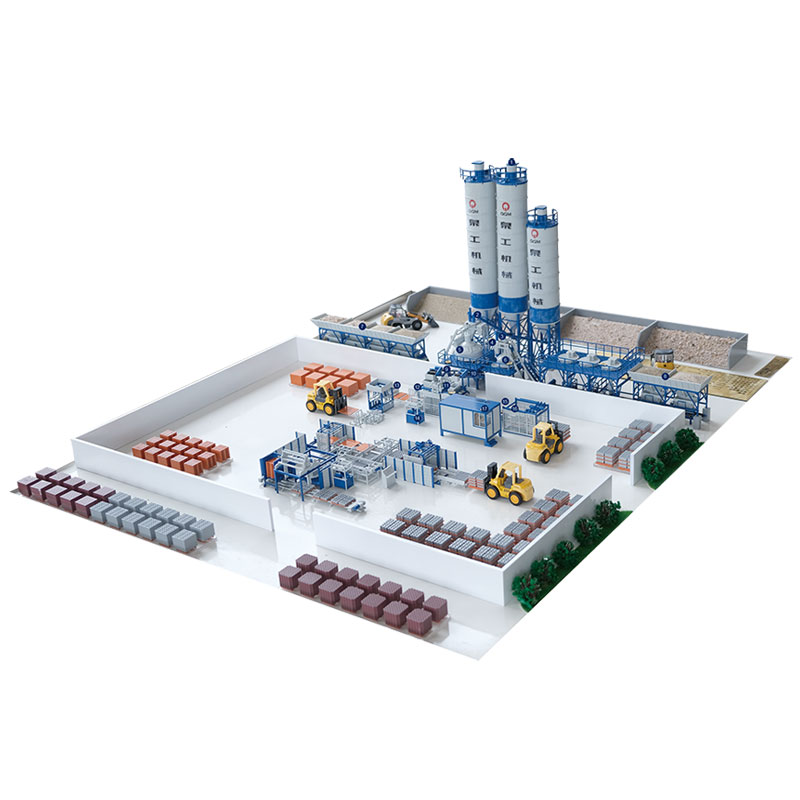
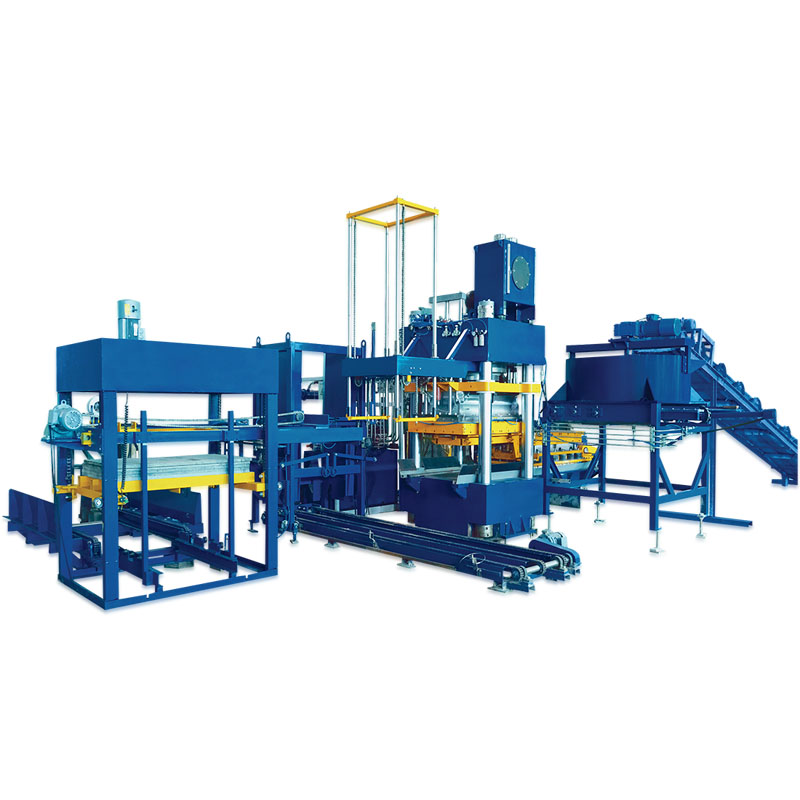
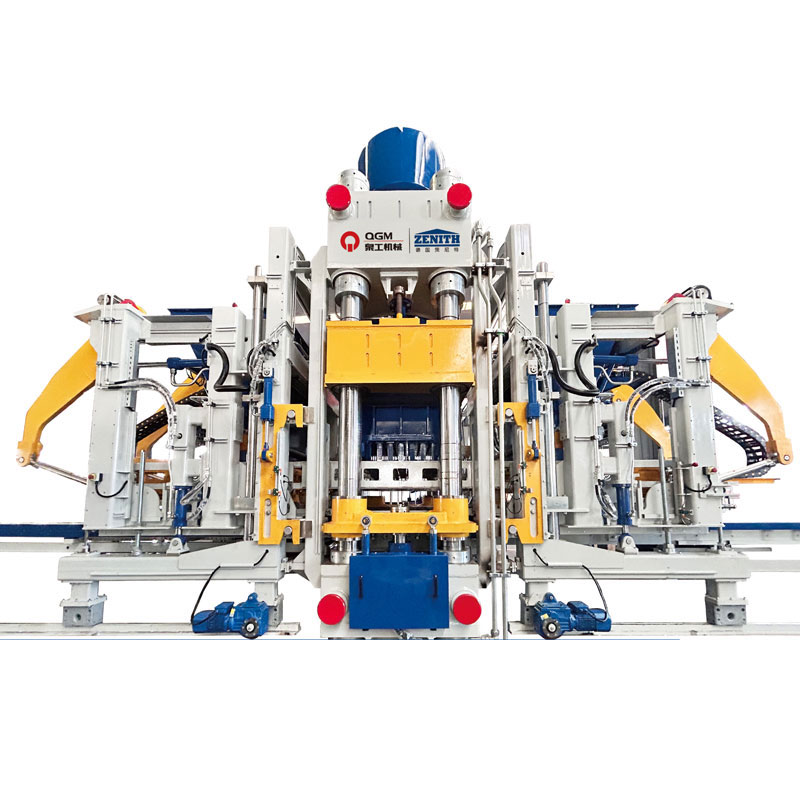
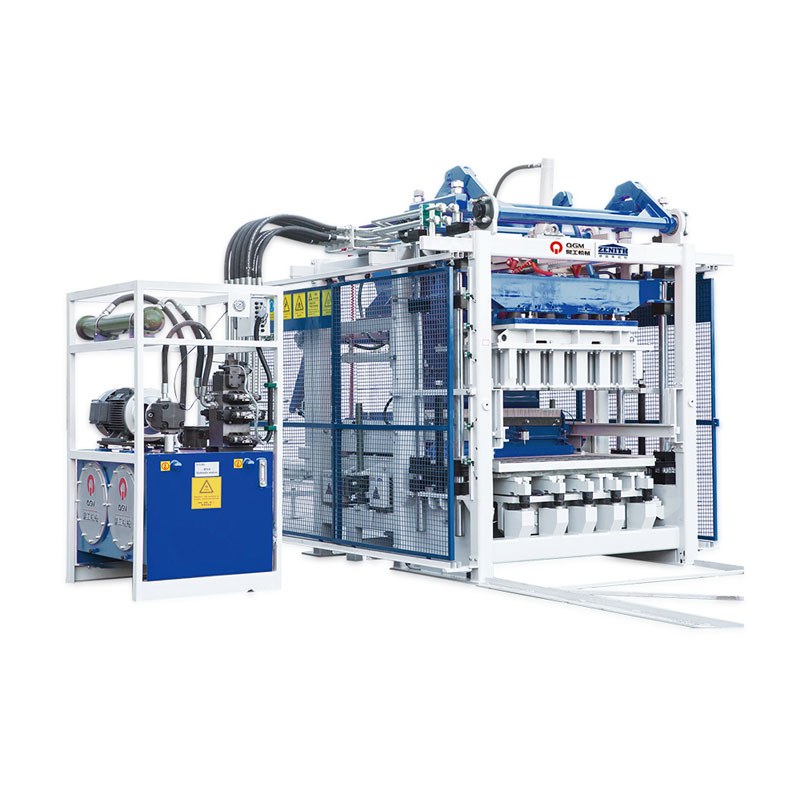
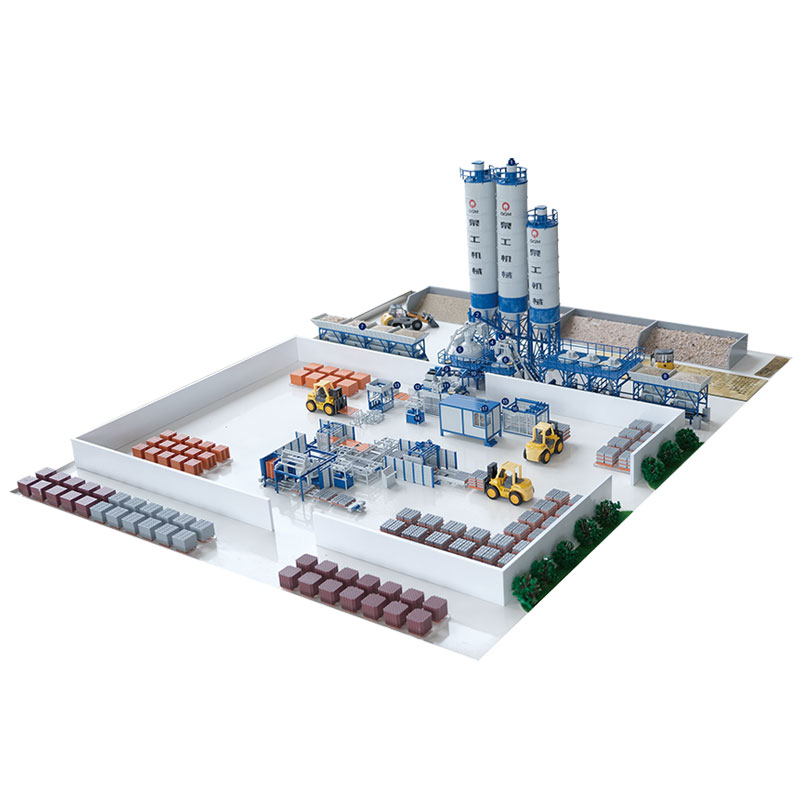
A modern block production line can automate or streamline multiple stages, including concrete mixing, material feeding, block forming, pallet handling, conveying, and stacking.
When production volume is high, automation can significantly reduce the number of operators required per unit of output.
Instead of relying heavily on manual operations, manufacturers can allocate their workforce to higher-value tasks such as equipment management, quality control, maintenance, and production supervision.
This can improve not only labor efficiency but also production consistency.
6. Evaluate the Total Cost of a Block Production Line
When investing in a concrete block plant, manufacturers should avoid evaluating equipment based solely on the question, “How much does the machine cost?”
A more meaningful approach is to calculate the total production cost:
Equipment Investment + Raw Material Cost + Labor Cost + Electricity Cost + Maintenance Cost = Total Production Cost
Production capacity, equipment utilization, product selling price, local labor costs, and market demand should also be considered when estimating the payback period.
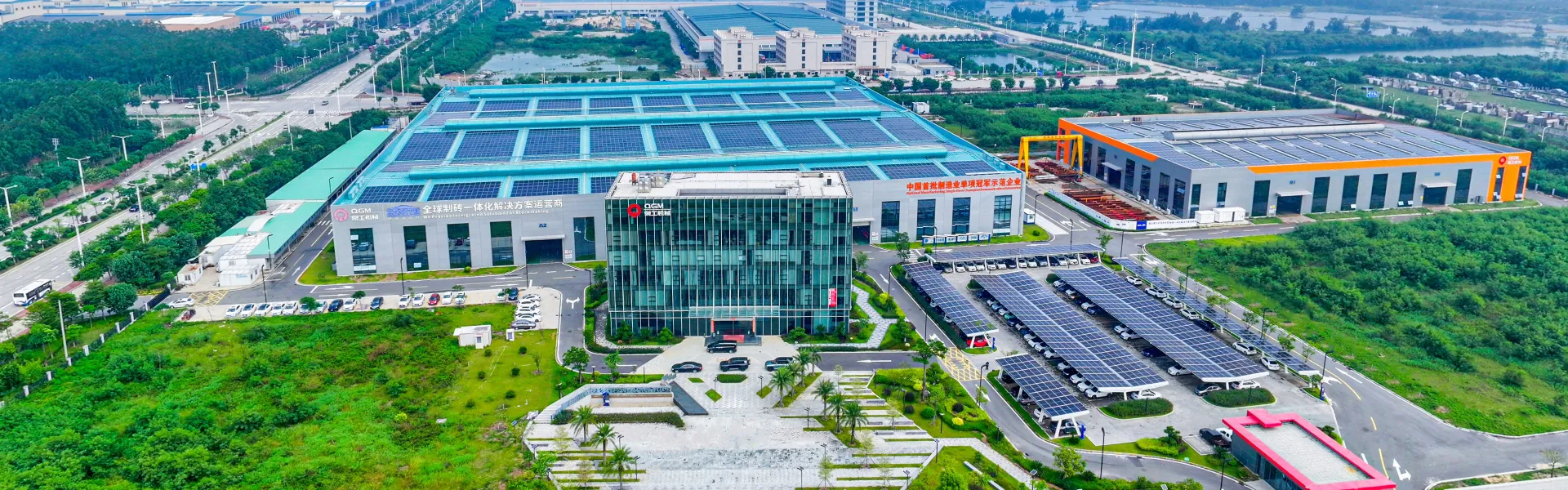
QGM has long been focused on concrete block and building material production technology, providing automated and intelligent block production solutions for different markets and manufacturing requirements.
By increasing the level of automation and reducing dependence on manual operations, manufacturers can improve production efficiency while controlling long-term operating costs.
Conclusion
Hollow block production cost is determined by much more than the price of cement and sand. Labor, electricity, equipment investment, maintenance, production efficiency, and automation all have a significant impact on the final cost per block.
For modern concrete block manufacturers, controlling raw material consumption remains important, but reducing labor requirements and improving production efficiency can also create significant long-term value.
Investing in an automated concrete block production line can help manufacturers reduce repetitive manual work, improve production consistency, and optimize the cost of each block.
Rather than focusing only on the initial price of a block machine, manufacturers should evaluate the total cost per block, production efficiency, labor requirements, equipment reliability, and long-term return on investment when selecting a production solution.
With the right production technology and automation strategy, a concrete block plant can achieve a more efficient and sustainable manufacturing operation.
We use cookies to offer you a better browsing experience, analyze site traffic and personalize content. By using this site, you agree to our use of cookies.Privacy Policy