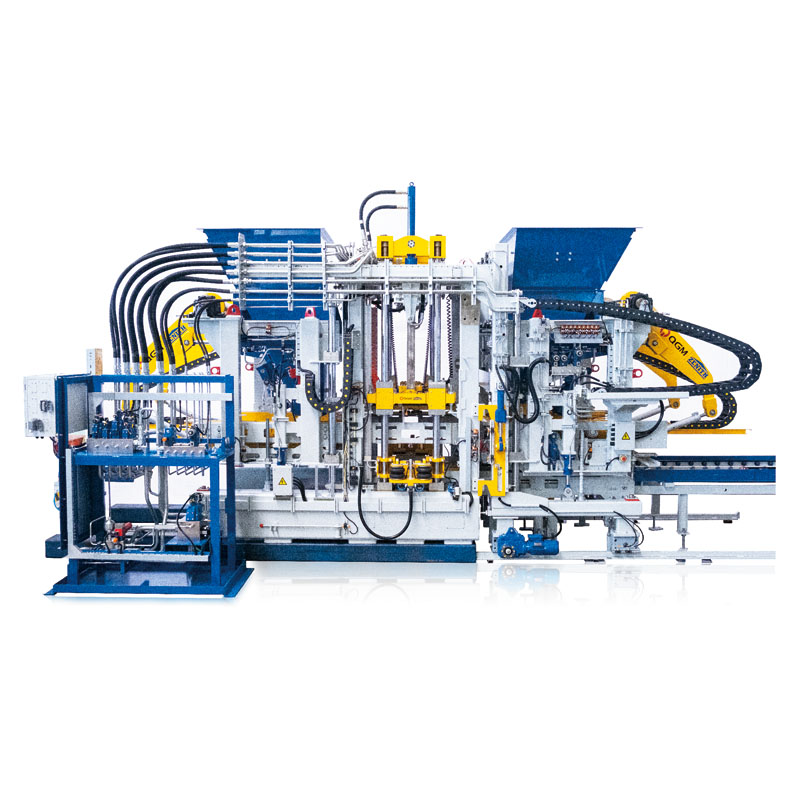
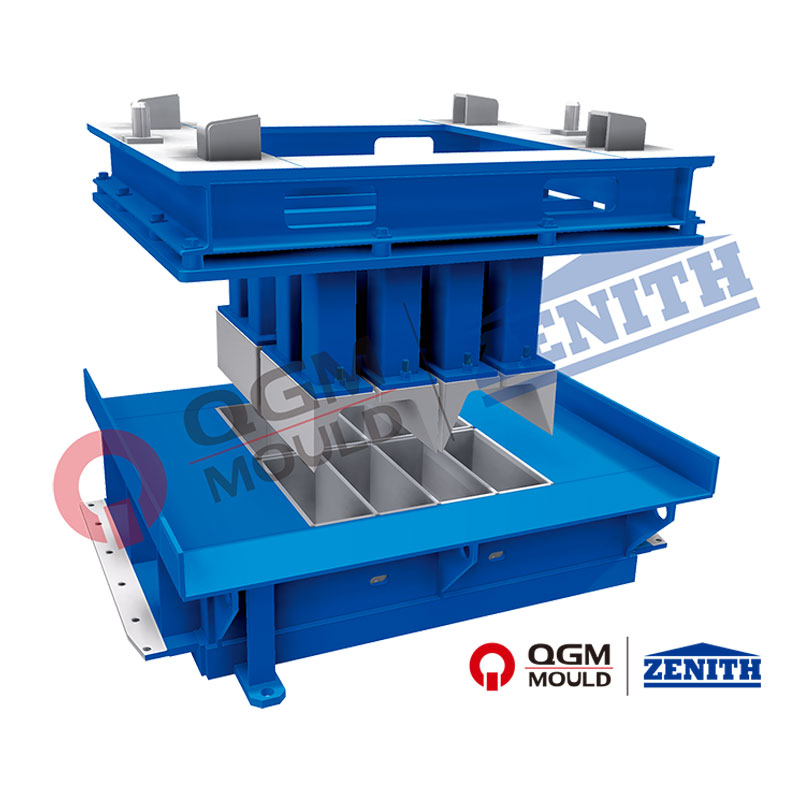
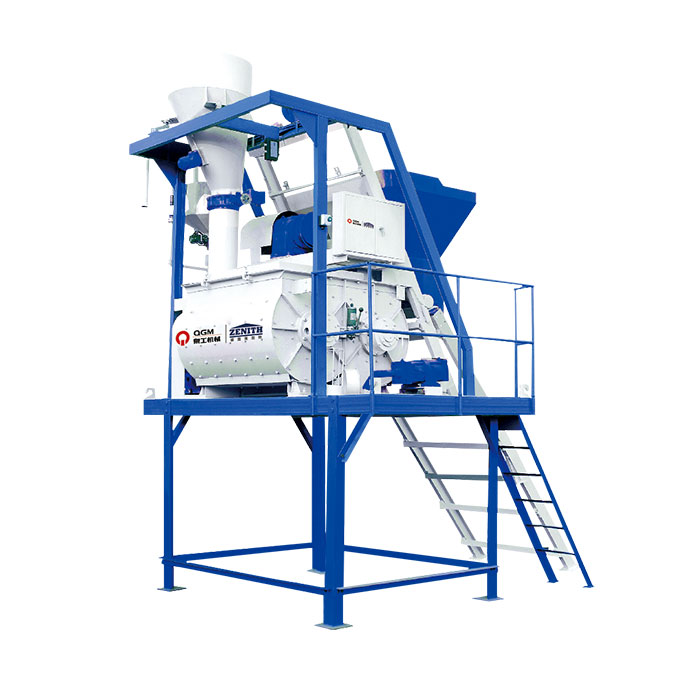
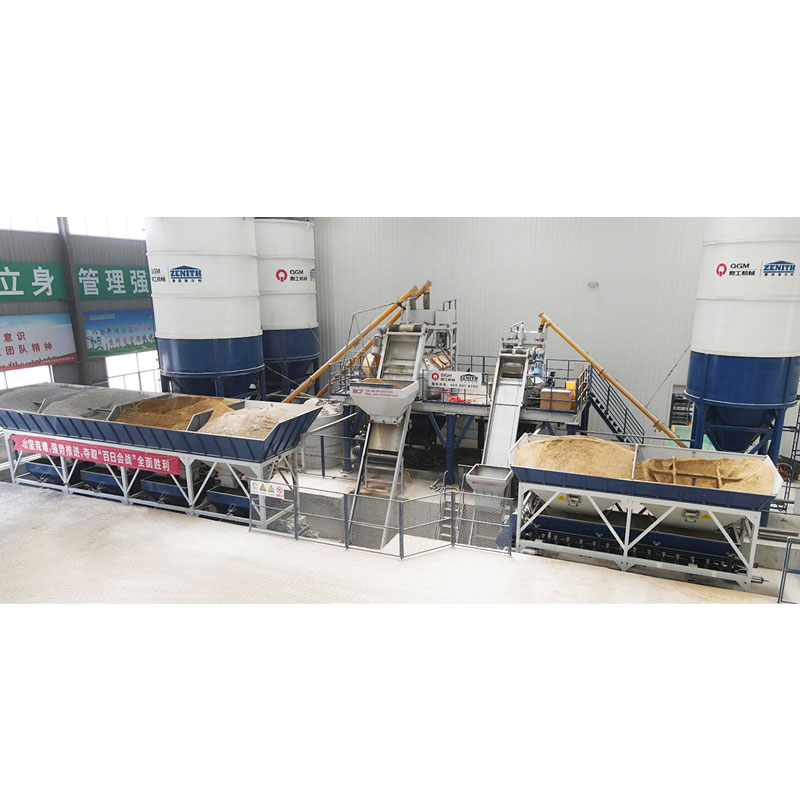
Selecting the appropriate concrete mixer for commercial construction projects is a make-or-break decision that directly impacts productivity, mix quality, operating costs, and project timelines. With decades of industry expertise, Quangong Machinery Co., Ltd. understands that commercial contractors demand machinery that balances robust output, energy efficiency, and durability under continuous operation. The wrong choice can lead to inconsistent concrete batches, frequent breakdowns, and escalated operational expenses. This comprehensive guide explores the critical factors—from drum capacity to mobility requirements—ensuring your next concrete mixer investment aligns with large-scale project needs.
At Quangong Machinery Co., Ltd., we have witnessed how the right mixing equipment transforms job sites. Whether you are managing high-rise foundations, road construction, or precast plants, the selection process goes beyond horsepower and drum volume. This article provides actionable insights, parameter tables, and comparative lists to help you evaluate commercial concrete mixers based on output consistency, maintenance accessibility, and lifecycle value. By the end, you will have a clear blueprint for specifying equipment that delivers superior concrete homogeneity and meets strict commercial deadlines.
When evaluating concrete mixers for commercial construction, the technical specifications form the foundation of your decision. At Quangong Machinery Co., Ltd., our engineering team emphasizes that parameters must align with project scale, concrete grade requirements, and site logistics. Below is a detailed breakdown of the essential specifications you must analyze before purchasing a concrete mixer.
| Parameter | Description & Commercial Relevance |
| Drum Capacity (Liters / Cubic Meters) | Ranges from 1m³ to 12m³ for truck mixers and 0.5m³ to 6m³ for stationary units. Commercial projects often require high-volume output; our factory recommends selecting a concrete mixer with 15-20% buffer above peak demand to accommodate surges. |
| Mixing Speed (rpm) | Variable speed control (12–18 rpm for mixing, 2–6 rpm for agitating) ensures homogeneity without segregation. Advanced units from Quangong Machinery Co., Ltd. incorporate dual-speed planetary drives for superior consistency. |
| Power Source & Motor Rating | Diesel (off-grid mobility) or electric (lower emissions, cost-efficiency). For heavy commercial use, motors range from 30kW to 200kW. Our concrete mixer series integrates energy-optimized motors reducing total cost of ownership by 18%. |
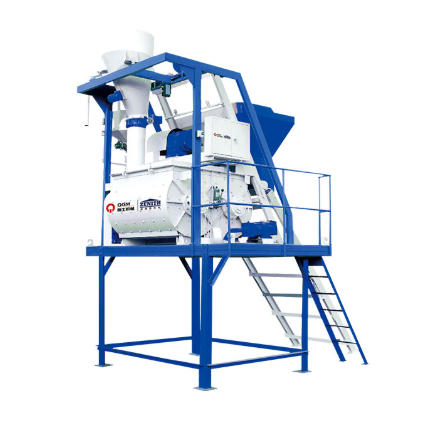
| Mixer Type | Drum mixers (reversing/non-tilting), twin-shaft mixers (high-intensity), planetary mixers (precast). Twin-shaft concrete mixers dominate commercial projects due to rapid mixing cycles (45-60 seconds per batch). |
| Control System | PLC-based automation with touchscreen interface enables precise batching, real-time monitoring, and integration with batching plants. Quangong Machinery Co., Ltd. provides IoT-ready systems for predictive maintenance. |
| Wear Parts Material | Hardox liners, chromium-cast mixing blades significantly enhance abrasion resistance, crucial for aggregates and high-silica content mixes. |
Beyond the table, commercial buyers should also evaluate environmental compliance. Many regions impose emission standards (Stage V, Tier 4) and noise limitations. Our factory ensures each concrete mixer meets CE, ISO, and local regulatory frameworks. Additionally, consider the following checklist when comparing quotations:
Our experience at Quangong Machinery Co., Ltd. shows that ignoring these parameters often results in underperforming assets. For instance, selecting a mixer with insufficient drum capacity leads to multiple batch delays, while mismatched motor power escalates energy bills. Always request a detailed datasheet and cross-reference with your project’s batching schedule. With proper parameter alignment, a commercial concrete mixer becomes a profit center rather than a bottleneck.
The physics behind concrete mixing directly correlates with final compressive strength, workability, and durability. In commercial construction, non-negotiable requirements include uniform cement dispersion, consistent air entrainment, and aggregate coating. Drum geometry and mixing action define how well these criteria are met. Quangong Machinery Co., Ltd. engineers have refined drum architecture over decades to achieve superior homogeneity.
Key mixing mechanisms in commercial concrete mixers:
Drum geometry also influences residual discharge and cleaning time. A well-designed drum with optimized spiral blades reduces dead zones and ensures over 98% discharge efficiency. At Quangong Machinery Co., Ltd., we utilize 3D simulation to model material movement, resulting in a concrete mixer design that minimizes water demand while maximizing slump retention. Additionally, consider these design-specific advantages:
For commercial projects demanding specialty concrete (self-consolidating, fiber-reinforced, or high-performance), the mixing mechanism must provide gentle yet thorough action. Our factory tests every concrete mixer design with various mix designs to guarantee fiber distribution without balling. Ultimately, selecting a mixer with the appropriate mechanism ensures your concrete meets ACI or ASTM specifications, thereby reducing rejections and rework costs.
Commercial construction projects such as bridges, tunnels, industrial floors, and multi-story buildings operate under stringent timelines. Production capacity—measured in cubic meters per hour—directly determines if you can maintain pour schedules without overtime or subcontractor delays. Similarly, mobility defines whether the concrete mixer can navigate job site constraints and deliver fresh concrete within the required slump window.
Evaluating production capacity factors:
Mobility considerations: commercial concrete mixers fall into stationary, towable, and truck-mounted categories. Each has distinct advantages.
Additionally, job site terrain dictates undercarriage design. Our factory equips truck mixers with heavy-duty axles and all-terrain tires for rough conditions. When selecting mobility, also evaluate the mixer’s turning radius and loading height compatibility with your material handling equipment. For commercial projects, downtime due to a mixer that cannot access the pour location can cascade into costly delays. Therefore, balancing capacity and mobility ensures you maintain consistent concrete flow, directly impacting labor efficiency and project profitability.
A commercial concrete mixer represents a significant capital investment; maximizing its lifespan requires attention to construction materials, component protection, and proactive maintenance. Quangong Machinery Co., Ltd. designs our concrete mixer range for 15+ years of service under heavy-duty applications, using advanced metallurgy and engineering redundancies.
Core durability features to look for:
Recommended maintenance protocols for commercial users:
Additionally, we recommend establishing a partnership with a supplier that offers after-sales support. Quangong Machinery Co., Ltd. provides remote diagnostics and a global spare parts network, ensuring that your concrete mixer experiences minimal downtime. By investing in durability and adhering to a structured maintenance plan, commercial contractors can achieve a lower total cost of ownership and higher resale value.
Choosing the right concrete mixer for commercial construction projects requires a holistic assessment of technical parameters, mixing performance, capacity alignment, mobility needs, and long-term durability. Throughout this guide, we have emphasized that no single factor determines success; rather, it is the synergy between proper sizing, quality manufacturing, and operational support. Quangong Machinery Co., Ltd. has been at the forefront of concrete mixing technology, delivering solutions that empower contractors to execute complex projects with confidence.
Our factory’s commitment to innovation means each concrete mixer we produce integrates the latest in wear resistance, automation, and energy efficiency. By prioritizing your specific project demands—from high-volume pours to specialty mixes—you will select equipment that not only meets specifications but also enhances profitability. As you shortlist vendors, evaluate warranty terms, availability of local service technicians, and customization options. Remember, a commercial concrete mixer is not just a machine; it is a partner in your construction success. Make your choice count with data-driven insights and trusted manufacturing excellence.
Ready to elevate your commercial construction efficiency with a reliable concrete mixer? Quangong Machinery Co., Ltd. offers industry-leading solutions tailored to your project’s scale and mix specifications. Our team of engineers is ready to provide a free consultation, detailed quotations, and on-site support to ensure your mixing operations achieve maximum productivity. Contact our factory today to discuss your requirements and discover why contractors worldwide trust our concrete mixers for demanding commercial applications. Let us help you build success from the ground up.
For high-rise construction, where concrete pumps and tower cranes are involved, the ideal drum capacity typically ranges from 8m³ to 12m³ for truck-mounted concrete mixers. This capacity balances transport efficiency with the pour rates demanded by slipforming or core wall placements. Larger capacities reduce the number of truck trips, mitigating congestion on tight urban sites. However, you must also consider pump compatibility: a concrete mixer delivering more than 10m³ per load requires high-pressure pumps with adequate receiving hoppers. At Quangong Machinery Co., Ltd., we recommend analyzing your expected cubic meters per hour and coordinating with pump capacity to avoid idle time. Additionally, stationary mixers at batching plants feeding the project may use 3m³ to 6m³ units that batch continuously, ensuring uninterrupted supply for high-rise floor cycles.
Twin-shaft concrete mixers are preferred for high-volume commercial applications such as ready-mix plants and infrastructure projects due to their rapid mixing cycles (typically 30-60 seconds) and excellent homogeneity for stiff and semi-dry concrete mixes. They handle large aggregate sizes up to 80 mm efficiently. Planetary mixers, on the other hand, excel in producing high-quality precast elements, colored concrete, and mixes with low water-cement ratios where superior paste uniformity is required. They feature a central mixing star that covers every corner of the pan, ensuring no segregation. For projects involving varied mix designs, our factory suggests using twin-shaft mixers for general mass concrete and planetary units for specialized architectural concrete. Quangong Machinery Co., Ltd. manufactures both types, enabling contractors to match the mixer mechanism to the application, thereby optimizing both quality and throughput.
To maximize the lifespan of a commercial concrete mixer, adhere to a three-tier maintenance schedule: daily, monthly, and quarterly. Daily: conduct a visual inspection of drum blades, check hydraulic fluid levels, and perform a complete washout within 15 minutes after the last pour to prevent concrete buildup. Monthly: inspect gearbox oil quality, tighten mounting bolts, examine drum drive rollers for wear, and test the accuracy of water dosing system. Quarterly: replace mixing blades if worn beyond 30% thickness, service hydraulic filters, calibrate automation sensors, and perform a full structural inspection of the drum shell. Our factory recommends keeping a maintenance log and using genuine wear parts. Quangong Machinery Co., Ltd. also offers preventive maintenance contracts, ensuring that your concrete mixer remains in peak condition and reducing unplanned downtime by up to 60%.
Yes, but the configuration matters. A truck-mounted concrete mixer is designed primarily for transporting and agitating ready-mix from a central plant to job sites, and it can also function as a mobile batching unit if equipped with separate metering systems. For true dual-purpose operation, consider a volumetric concrete mixer that mixes materials on-site based on preset recipes, allowing both delivery and custom batching. However, traditional drum mixers used for ready-mix delivery are not optimized for on-site batching because they lack precise aggregate and cement weighing systems. At Quangong Machinery Co., Ltd., we offer modular batching attachments for certain concrete mixer models, enabling contractors to switch between receiving ready-mix and producing their own mix on-site. This flexibility is valuable for remote projects where consistent ready-mix supply is unreliable.
Automation transforms concrete mixers into smart production units. PLC-based control systems with recipe management ensure each batch meets exact specifications, eliminating human error in batching. Advanced systems from our factory feature real-time moisture sensors that automatically adjust water addition to maintain target slump, even with aggregate moisture variations. Automation also enables remote monitoring of production data, predictive maintenance alerts, and integration with fleet management software. For commercial projects, these capabilities reduce material waste (typically by 3-5%), shorten cycle times, and provide traceability for quality assurance documentation. Moreover, automated concrete mixers can be operated with fewer personnel, reducing labor costs while increasing safety. Quangong Machinery Co., Ltd. incorporates user-friendly HMI touchscreens that allow operators to switch mix designs instantly, making the concrete mixer highly adaptable to dynamic project requirements.