A CO₂ curing chamber is a sealed curing system that uses carbon dioxide (CO₂) as the primary curing medium. By precisely controlling key parameters such as temperature, humidity, CO₂ concentration, and pressure, the system promotes the carbonation reaction between CO₂ and concrete blocks or other concrete products. This accelerates product hardening and strength development while enabling the stable fixation of CO₂ within the concrete.
The system integrates sealed curing, gas circulation, temperature and humidity control, CO₂ concentration control, data monitoring, and safety interlocking to provide a stable and controllable carbonation curing environment for concrete products, supporting the production of green and low-carbon building materials.
The carbonation curing system consists of three main components: the sealed curing chamber, gas circulation system, and monitoring and control system. Through chamber sealing, gas circulation, temperature and humidity regulation, and CO₂ concentration control, the system provides a stable, uniform, and controllable carbonation curing environment for concrete products.
1. Sealed Curing Chamber
The chamber adopts a multi-layer structural design consisting of an outer protective layer, insulation layer, and inner ventilation wall. It provides structural strength and thermal insulation while adapting to the high-humidity and CO₂-rich environment inside the chamber.
1) Chamber Roof:
Features a self-supporting steel plate structure and insulated roof design, providing convenient access for routine inspection and maintenance.
2) Front Chamber Structure:
Uses a galvanized frame and smooth panels to improve structural stability and surface flatness during long-term operation.
3) Chamber Door:
Features a high-tightness design to effectively reduce CO₂ leakage and maintain a stable curing environment inside the chamber.
4) Curing Racks:
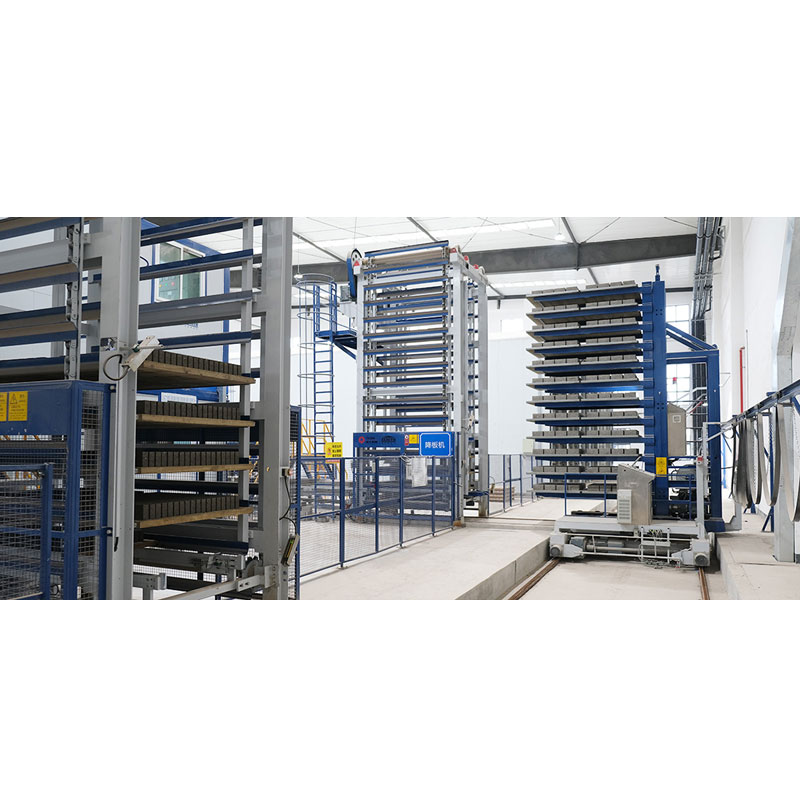
Adopt a plug-in and bolted connection structure. All components are hot-dip galvanized for enhanced corrosion resistance and reliable operation in high-humidity environments.
2. Gas Circulation System
The gas circulation system is responsible for the transport, distribution, and circulation of CO₂, heat, and air inside the chamber, helping maintain a more uniform curing environment.
1) Circulation Drive:
A variable-frequency radial fan drives gas circulation inside the chamber, with airflow adjustable according to process requirements.
2) Temperature Control Module:
Electric heaters provide the heat required for the curing process and work together with the circulation fans to achieve uniform heating throughout the chamber.
3) Circulation Ductwork:
Responsible for transporting and distributing gas, connecting the fans and heaters with the curing chamber to ensure organized gas circulation.
4) Exhaust Module:
Consists of an exhaust system and louver valves, which work together according to different curing and exhaust stages.
5) Purification Module:
Introduces fresh external air to forcibly replace residual CO₂ inside the chamber and reduce the CO₂ concentration after the curing process.
3. Intelligent Monitoring and Control System
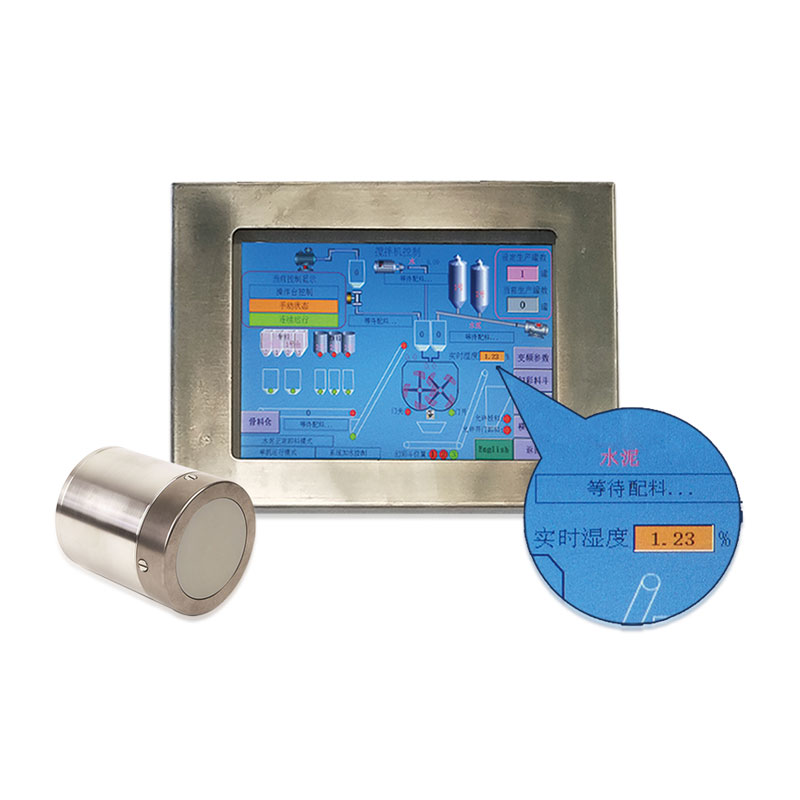
The system uses PLC-based automatic control to monitor and precisely regulate key parameters throughout the carbonation curing process.
1) Multi-Parameter Monitoring
Real-time monitoring of:
CO₂ concentration
Temperature
Humidity
Chamber pressure
These parameters provide real-time data support for the carbonation curing process.
2) PLC Automatic Control
According to the preset curing program, the system automatically controls temperature, humidity, CO₂ concentration, and chamber pressure, enabling automated curing operation and reducing manual intervention.
3) Data Acquisition and Traceability
The system continuously collects and stores curing process data and automatically generates curing curves, providing a reliable data basis for product quality analysis, process optimization, and production management.
4) Multiple Safety Protection
The system is equipped with CO₂ leakage detection, overpressure/negative-pressure safety valves, and an independent safety control system to monitor and protect against abnormal operating conditions, enhancing overall operational safety.
Key Advantages of Carbonation Curing
1. Improved Product Performance
Carbonate substances formed during the carbonation reaction can fill part of the pores within concrete, helping improve the density, compressive strength, and dimensional stability of concrete products.
2. Enhanced Durability
Carbonation can help improve the internal structure and surface density of concrete products, enhancing their water resistance, freeze-thaw resistance, and overall durability.
3. Improved Surface Quality
Carbonation curing can increase surface density and dimensional regularity, improving the overall appearance of concrete products and helping reduce efflorescence.
4. CO₂ Resource Utilization
CO₂ is introduced into the concrete curing process and partially fixed within building materials through the carbonation reaction, integrating CO₂ utilization with concrete product manufacturing.
5. Green and Low-Carbon Curing
Carbonation curing can serve as an alternative or supplementary method to traditional steam curing. By optimizing the curing process, it provides a potential pathway for reducing curing energy consumption and supporting low-carbon concrete product manufacturing.
If you have any enquiry about quotation or cooperation, please feel free to email or use the following inquiry form. Our sales representative will contact you within 24 hours.
We use cookies to offer you a better browsing experience, analyze site traffic and personalize content. By using this site, you agree to our use of cookies. Privacy Policy